
Top Industries Hiring Mechanical Engineers: Where Mechanical Demand is Skyrocketing
Mechanical engineers, in this fast-evolving job market, stand at the forefront of innovation, blending physics, materials science, and creative problem-solving to shape the world.
With global challenges like sustainability, automation, and space exploration demanding robust solutions, the engineering workforce is experiencing unprecedented growth. But where exactly are the best opportunities? If you're a mechanical engineering graduate or aspiring pro, buckle up—this deep dive uncovers the top industries hiring mechanical engineers, spotlighting manufacturing jobs, aerospace careers, automotive industry roles, surging mechanical demand, and the broader engineering workforce trends. These sectors aren't just hiring; they're competing fiercely for top talent.


The Powerhouse of Manufacturing Jobs: Building the Future, Piece by Piece
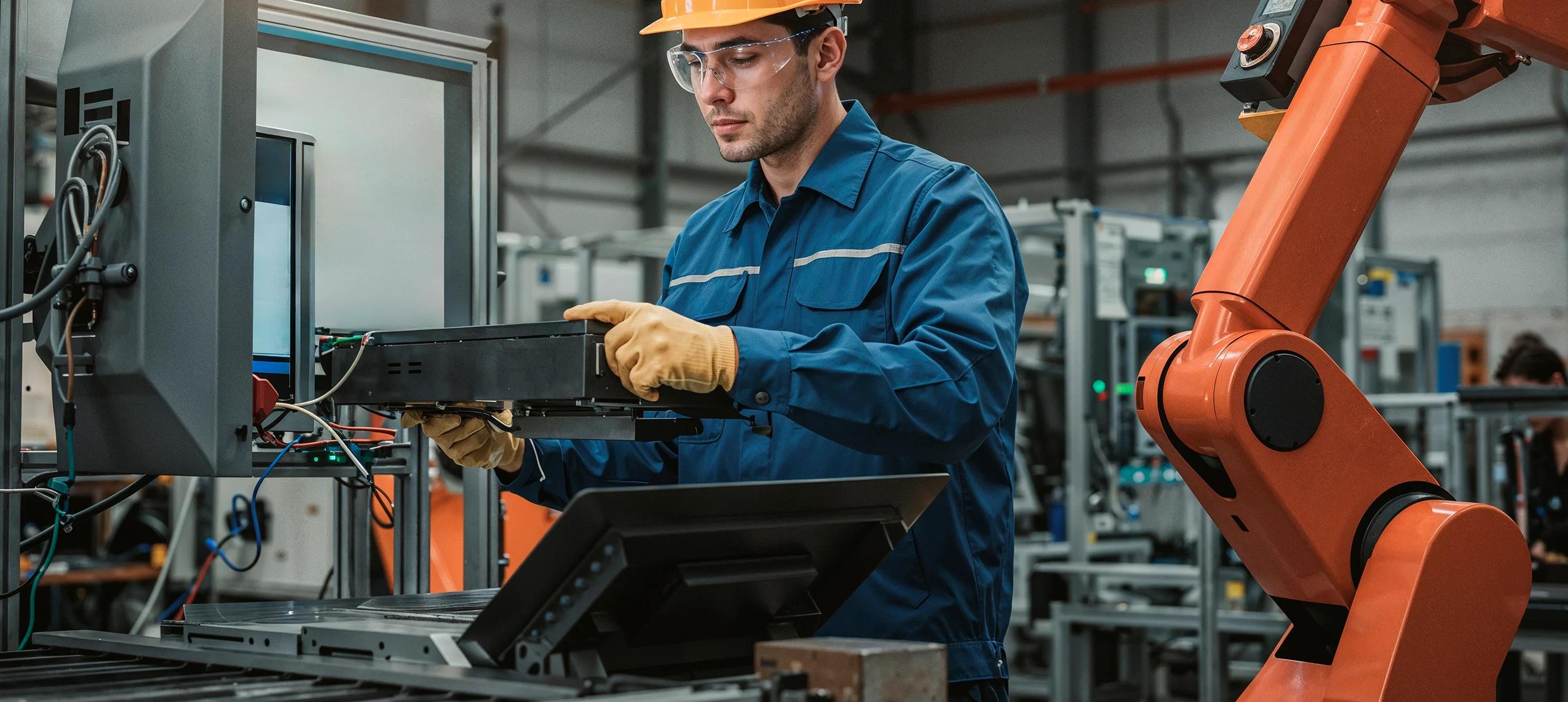
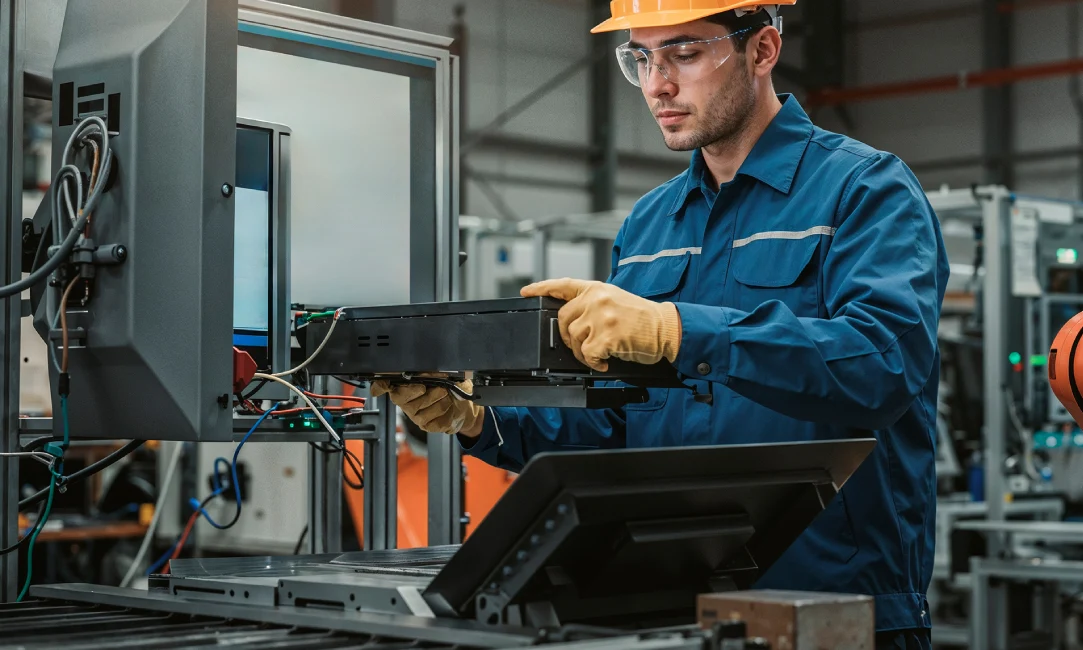
Manufacturing jobs remain the bedrock of mechanical engineering careers, fueling everything from everyday gadgets to massive infrastructure projects. Picture this: you're designing robotic arms that assemble smartphones at lightning speed or optimizing production lines for eco-friendly packaging. The mechanical demand here is insatiable, driven by Industry 4.0—think smart factories powered by AI, IoT sensors, and 3D printing.
Why the boom? Global supply chains are reshoring, with companies like Tesla and Siemens ramping up U.S. and European plants to cut dependencies. Mechanical engineers thrive in roles like process engineers, who slash waste by 30% through lean methodologies, or R&D specialists crafting lightweight composites for durable goods. Salaries often start at $80,000-$100,000, with bonuses for innovations that boost efficiency.
Fresh grads love the hands-on vibe: internships turn into full-time gigs amid a talent shortage. The engineering workforce in manufacturing is diversifying too, with roles emphasizing sustainability—designing recyclable machinery or energy-efficient HVAC systems. If you geek out over CAD software like SolidWorks or ANSYS simulations, manufacturing jobs offer endless playgrounds for your skills.
Soaring into Aerospace Careers: Engineering the Stars
Nothing screams excitement like aerospace careers, where mechanical engineers propel humanity skyward—literally. From hypersonic jets to reusable rockets, this industry is riding a wave of private space ventures led by players like SpaceX and Blue Origin. The mechanical demand is explosive, with NASA's Artemis program and commercial satellite booms creating thousands of openings.
Imagine stress-testing rocket nozzles under extreme pressures or aerodynamically sculpting drone wings for urban air mobility. Roles span propulsion systems, where you calculate thrust vectors using F=m⋅aF=m⋅a, to avionics integration, ensuring flawless vibro-acoustic performance. Entry-level aerospace careers pay $90,000+, skyrocketing to six figures with clearances for defense projects.
The engineering workforce here demands precision—think finite element analysis (FEA) to predict material fatigue in turbine blades. Post-pandemic travel surges have airlines hungry for engineers retrofitting fleets for fuel efficiency, cutting emissions by 20%. Women and underrepresented groups are breaking barriers too, with initiatives like Boeing's mentorship programs. If adrenaline fuels your designs, aerospace careers will have you orbiting success.
Revving Up Automotive Industry Roles: From EVs to Autonomous Dreams
The automotive industry roles are shifting gears into an electric, autonomous era, making mechanical engineers indispensable. Electric vehicles (EVs) dominate headlines, with battery packs needing thermal management systems to prevent meltdowns during high-speed charges. Mechanical demand surges as legacy giants like Ford pivot alongside disruptors like Rivian.
Core roles? Chassis engineers optimizing suspension for bumpy off-roaders or powertrain specialists simulating gearbox wear with multibody dynamics. Tools like MATLAB/Simulink model crash scenarios, ensuring vehicles crumple safely per σ=E⋅ϵσ=E⋅ϵ stress-strain laws. Automotive industry roles start at $85,000, with perks like stock options in booming EV startups.
Sustainability drives innovation: engineers craft lightweight aluminum frames slashing vehicle weight by 15%, extending range. The engineering workforce is global, from Detroit's proving grounds to Shenzhen's gigafactories. Autonomous tech adds spice—designing haptic feedback steering wheels for self-driving cars. With 30 million EVs projected by 2030, automotive industry roles promise acceleration without burnout.
Beyond the Big Three: Emerging Frontiers in the Engineering Workforce
While manufacturing jobs, aerospace careers, and automotive industry roles lead, other sectors amplify mechanical demand. Renewable energy beckons with wind turbine blade designers battling turbulent flows via CFD simulations. Robotics and automation firms seek mechatronics experts for warehouse bots that lift 1,000 lbs effortlessly.
Biomedical engineering fuses mechanics with health—prosthetics mimicking human gait or surgical robots with sub-millimeter precision. Oil & gas, though volatile, hires for deep-sea rigs enduring corrosive environments. Across the board, the engineering workforce craves versatile pros skilled in sustainability, digital twins, and additive manufacturing.
Stats paint a rosy picture: U.S. Bureau projections show 10% growth in mechanical jobs by 2032, outpacing average. Remote tools like cloud-based FEA democratize access, letting engineers collaborate globally.
Skills to Land Your Spot in High-Mechanical Demand Industries
To thrive, master universal superpowers: proficiency in AutoCAD, Inventor, or Fusion 360; coding basics in Python for automation scripts; and soft skills like agile teamwork. Certifications like Six Sigma or ASME add edge. Network via LinkedIn or conferences—many hires stem from referrals.
Tailor resumes to keywords: highlight projects quantifying impact, e.g., "Reduced prototype costs 25% via topology optimization." Internships bridge theory to practice, proving you're ready for the engineering workforce.
Bottom Line
Thus, the top industries hiring mechanical engineers brim with mechanical demand, from gritty manufacturing jobs to thrilling aerospace careers and innovative automotive industry roles. The engineering workforce needs bold thinkers like you to tackle tomorrow's challenges. For top-tier preparation, GLA University excels in this course, blending cutting-edge labs, industry tie-ups, and a 95% placement rate to launch graduates into these high-demand fields.


Admission Open For
B.Tech
2027
Start your journey with us
Apply OnlineGet In Touch With Us
 Virtual Tour
 B.Tech Programs
UG Programs
Lateral Entry
M.Tech Programs
PG Programs
Doctoral Programs
Diploma Programs
Admissions Helpline

-

-

-

-

17km Stone, NH-19, Mathura-Delhi Road, P.O.
Chaumuhan, Mathura-281 406, (U.P.) INDIA