
Solar Energy Research Centre-I
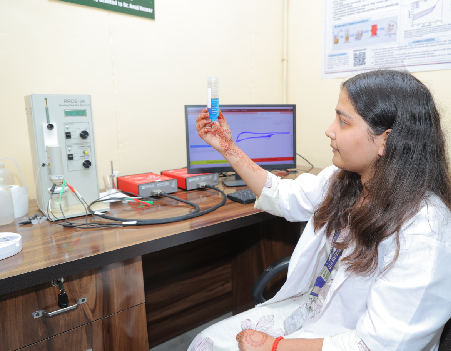
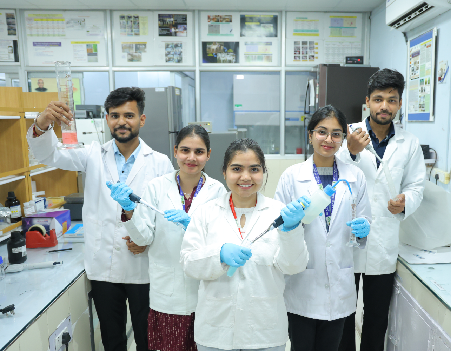
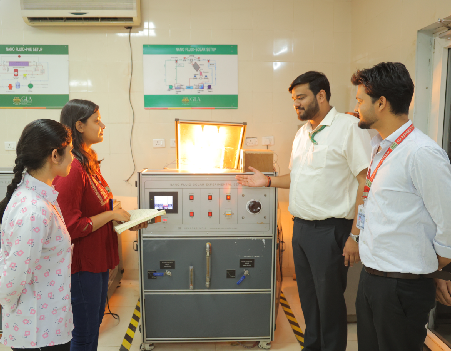
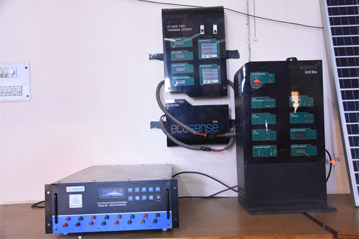
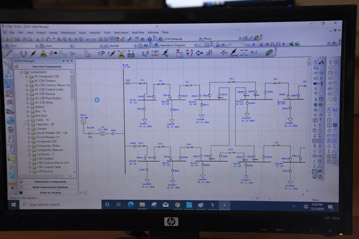
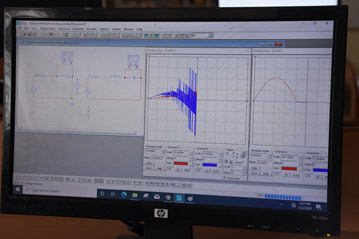
+Energy is the key factor for the growth of any country. Per capita energy consumption is the significance of the progress of any nation. With the increasing environmental impacts and continuously diminishing the primary sources, world community is searching the way to shift towards sustainable energy sources. Recently, the penetration of photovoltaic systems has increased to generate the electricity. In view of the contribution by future engineers, the department has established solar energy Centre in year 2015 to align with the government target to produce 100 GW electricity from solar energy. This lab is equipped with several latest experimental setups like PV Grid Tied System, PV emolator, Energy Audit kit, PV Training system and other solar based applications. In this laboratory, we frequently organize academic activities on present scenario and future trends.
Major Equipments
| S.No. | Equipment | Quantity |
|---|---|---|
| 1 | Solar PV Trainer | 1 |
| 2 | Solar PV Grid Tied System | 1 |
| 3 | Solar PV Emolator System | 1 |
| 4 | LCR meter | 1 |
| 5 | Oscilloscope | 1 |
| 6 | Novus Log Box D.A. | 1 |
| 7 | Novus IR Link 3 USB | 1 |
| 8 | power supply | 1 |
| 9 | Function generator | 1 |
| 8 | Oscilloscope | 1 |
| 9 | Temperature / Humidity Sensor | 1 |
| 10 | energy audit kit | 1 |
| 11 | power supply | 1 |
| 12 | PC kit logger | 1 |
| 13 | Insolation tester | 1 |
| 14 | Earth /Ground tester | 1 |
| Total | 14 |
Project Details:
- Identification of suitable locations for deployment of solar water pumps. Project Investigator: Dr. Subhas Chandra (Asst. Professor, GLA University, Mathura)
- Analysis of Grid Connected Photovoltaic System and its various Electrical Aspects. Project Investigator: Mr. Apoorva Saxena (Asst. Professor, GLA University, Mathura)
- Designing Estimation and Comparative Cost Analysis of Solar Water Pumping System and Conventional Water Pumping System. Project Investigator: Dr. Subhas Chandra (Asst. Professor, GLA University, Mathura)
- Designing & Analysis of 200KW Rooftop Solar Plant. Project Investigator: Mr. Apoorva Saxena (Asst. Professor, GLA University, Mathura)
Publication Details:
SCI/SCOPUS Based
- Chandra, S., Yadav, A., Khan, M.A.R., Pushkarna, M., Bajaj, M. and Sharma, N.K., 2021. Influence of Artificial and Natural Cooling on Performance Parameters of a Solar PV System: A Case Study. IEEE Access, 9, pp.29449-29457. SCIE Journal Impact Factor 3.367
- Chandra, S., Agrawal, S. and Chauhan, D.S., 2020. Impact of Photovoltaic Modole Temperature on Size and Voltage Stability, a Case Study in Indian Climate. Applied Solar Energy, 56(5), pp.324-333. (SCOPUS)
- Chandra, S., Agrawal, S. and Chauhan, D.S., 2018. Soft computing based approach to evaluate the performance of solar PV modole considering wind effect in laboratory condition. Energy Reports, 4, pp.252-259. SCIE Journal Impact Factor 6.87
- Chandra, S., Agrawal, S. and Chauhan, D.S., 2018. Effect of ambient temperature and wind speed on performance ratio of polycrystalline solar photovoltaic modole: An experimental analysis. International Energy Journal, 18(2). (SCOPUS)
- Rajoria, C.S., Agrawal, S., Chandra, S., Tiwari, G.N. and Chauhan, D.S., 2016. A Novel investigation of building integrated photovoltaic thermal (BiPVT) system: A comparative study. Solar Energy, 131, pp.107-118. SCIE Journal Impact Factor 5.74
Conferences/Book Chapters
- Chandra, S., 2021. Temperature-Dependent Economical and Technical Aspect of Solar Photo Voltaic Power Plant. In Control Applications in Modern Power System (pp. 261-268). Springer, Singapore. (SCOPUS)
- Yadav, A. and Chandra, S., 2021. Cascaded H-Bridge Based Moltilevel Inverter for Power Quality Issues. In Recent Advances in Power Electronics and Drives (pp. 101-110). Springer, Singapore.Proposal to emphasize on power production from solar roof top system in university campus. (SCOPUS)
- Chandra, S. and Yadav, A., 2021. Site selection based on thermo mechanical decay and payback period of solar PV system: Need of present scenario. Materials Today: Proceedings, 43, pp.287-292.Comparative evaluation of modolation schemes applied for pv connected z-source inverter. (SCOPUS)
- Chandra, S., Chauhan, D.S., Agrawal, S. and Rajoria, C.S., 2016, November. An enhancement in electrical efficiency of photovoltaic modole. In 2016 IEEE 7th Power India International Conference (PIICON) (pp. 1-5). IEEE. Z source inverter application and control for decentralized photovoltaic system. (SCOPUS)
- Chandra, S., Yadav, A., Agrawal, S. and Chauhan, D.S., 2017, November. Experimental investigation of optimum wind speed for material dependent temperature loss compensation in PV modoles. In 2017 3rd international conference on condition assessment techniques in electrical systems (CATCON) (pp. 31-35). IEEE. (SCOPUS)
- KUMAR, Y., GOYAL, M. and MISHRA, R., 2020, November. Modified PV Based Hybrid Moltilevel Inverters using Molticarrier PWM Strategy. In 2020 4th International Conference on Electronics, Communication and Aerospace Technology (ICECA) (pp. 460-464). IEEE. (SCOPUS)
- Singh, P.P., Chandra, S. and Tiwari, A., 2017, October. Study and implementation of boost-derived hybrid converter with simoltaneous DC and AC outputs. In 2017 Recent Developments in Control, Automation & Power Engineering (RDCAPE) (pp. 388-393). IEEE. (SCOPUS)
- Chandra, S., Yadav, A., Agrawal, S. and Chauhan, D.S., 2020. Material and temperature dependent performance parameters of solar PV system in local climate conditions. Materials Today: Proceedings, 26, pp.878-882. (SCOPUS)
- Chandra, S. and Bachan, P., 2020, February. Experimental Investigation to Emphasize on True Potential of Solar PV Modole. In 2020 International Conference on Power Electronics & IoT Applications in Renewable Energy and its Control (PARC) (pp. 22-27). IEEE. (SCOPUS)
Facolty in-charge
Dr. Subhas Chandra
Assistant Professor
Department of Electrical Engineering
Email: subhash.chandra@gla.ac.in
Lab Assistant
Mr. Narendra Kumar Sharma
Lab Assistant
Department of Electrical Engineering
Email: narendra.sharma@gla.ac.in
Solar Energy Research Centre-II
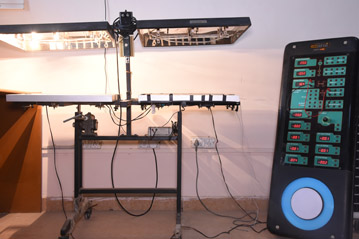
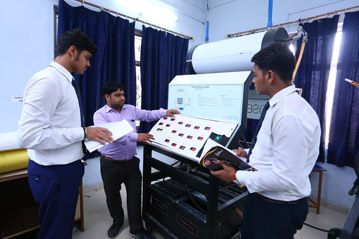
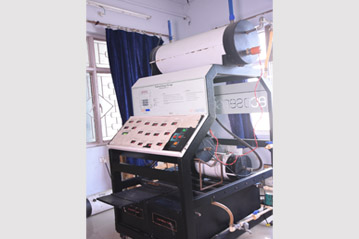
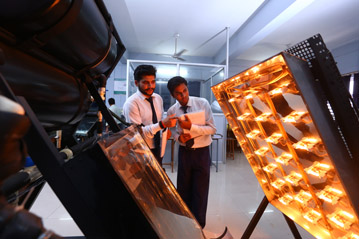
+Solar Energy Research Centre was established in year 2016. It has broad perspective to serve requirement of researchers, post graduate and undergraduates. Its main objective is to contribute in development of smart solar thermal systems which can serve the need of growing demand of clean energy. This centre is also providing platform to execute interdisciplinary projects involving students of electronics, electrical, physics and materials engineering
Major Equipment’s & Experiments
| S.No. | Name Of Equipment | Facilities | Acheivmnts |
|---|---|---|---|
| 1 | Nano-Solar research apparatus | This is highly advanced system can be used for performance analysis of flat plate solar collectors using nanofluids. | One PhD completed, two M. Tech and 6 undergraduateprojects. 4 SCI Journal of high impact factor published with the help of this apparatus. |
| 2 | PV/T photovoltaic thermal system with artificial solar simolator | This is very advanced system. It can be used in indoor and outdoor testing of solar energy absorption efficiency of system. | Presently 4 B.Tech projects are running, 2 completed. |
| 3 | Solar energy storage system using phase changing materials | This system is highly usefol in storing energy of solar heating system. System uses phase changing materials for energy storage and release. | Usefol for advanced research. Two students are pursuing PhD in this field. |
| 4 | Parabolic Trough Collector (PTC) (a) single axis (b) double axis | These are state of art apparatus which are incorporated with automatic and manual control Sun tracking device to maximize solar energy absorption at all time. Research work at undergraduate and doctoral is going on with foll vigor. | Centre also intends to provide solar energy testing and auditing facility for industry needs. |
| 5 | Solar air heating system for drying of agri-products and space heating | This innovative project successfolly designed by graduate students: 2018. In this area lot of opportunities of research still require. | SERC certainly address in this area authentically. |
Future planning and expansion:
From new session 2018-19, SERC will run 1- credit course for undergraduate students. Course is designed to folfil needs of engineering graduates and infill technological and engineering skill to design and operate smart system based on solar energy.
Centre will be equipped with state of art testing system of solar cell and basic solar cell design and testing facility, 24x7 weather station, pyranometer and Pyrheliometer and all measuring equipment’s computing facility required for SERC.
List of Publications:
- 4 SCI Journal of high impact factor published with the help of Nano-Solar research apparatus.
- Paper presented in international conference at IIT Roorkee 2017. “Application of Nanofluids in thermal Energy storage system” presented by Abhishek Awasthi, Abhishek Sharma and Mehtab Alam.
Centre In-charge
Dr. Sujit Kr. Verma
Associate Professor
Department of Mechanical Engineering
GLA University, Mathura, India-281406
Email: sujit.verma@gla.ac.in
Technical Assistant
Mr. Mahendra Singh
Senior lab Assistant
Department of Mechanical Engineering
GLA University, Mathura, India-281406
Email: mahendra.singh@gla.ac.in
Mob: +91- 9720315749
Micro-Nano Development Research Centre (MNDRC)
+(a) Brief write up on the Lab/Group:
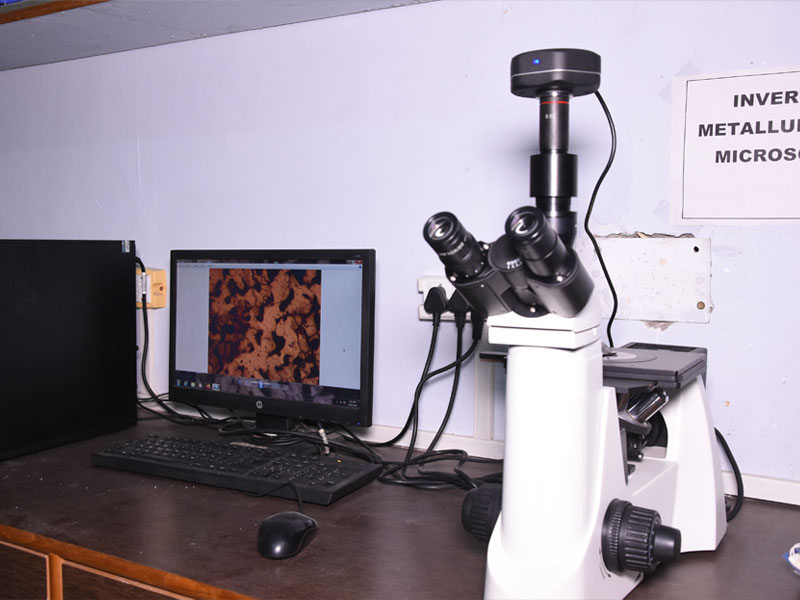
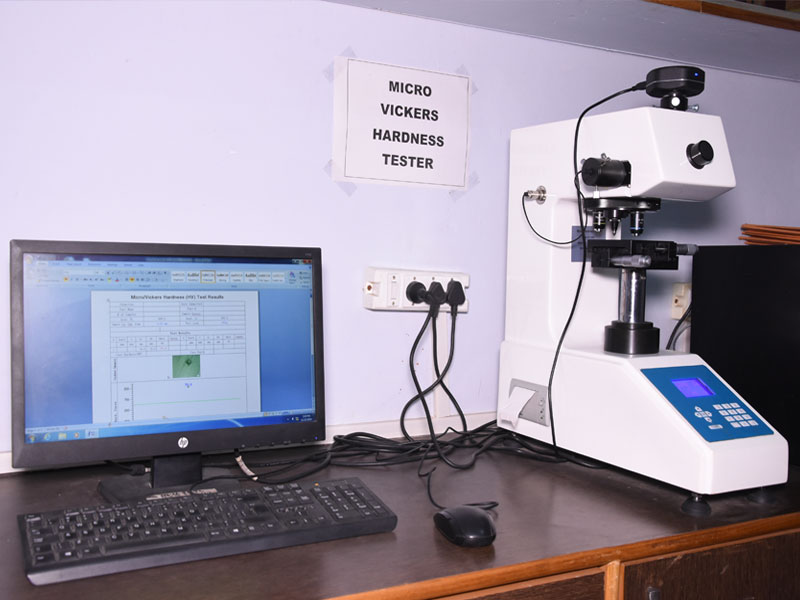
Nanotechnology is recognized as including promising new techniques that overcome the limitations posed by the conventional ones. There is plenty of nanotechnology applications currently in use today, such as the composition of oltra-high functional materials, oltrafine fabrication, single-molecolar measurement, and single-molecolar operation. It was under these circumstances that the High-Tech Research Center was drawn up in the 2015 academic year with the goal of developing highly functional nano materials and researching micro-nano mechatronics devices. To achieve these research goals, we established the Micro-Nano Development Research Center (MNDRC). Through this approach, we have been successfol in achieving our original goals.
(b) Major Equipments:
| S.No. | Name Of Equipment | Quantity |
|---|---|---|
| 1 | Bath Sonicator | 1 |
| 2 | Vacuum Oven | 1 |
| 3 | Magnetic Stirrer (with Hot Plate) | 1 |
| 4 | Probe Sonicator | 1 |
| 5 | Analytical Balance | 1 |
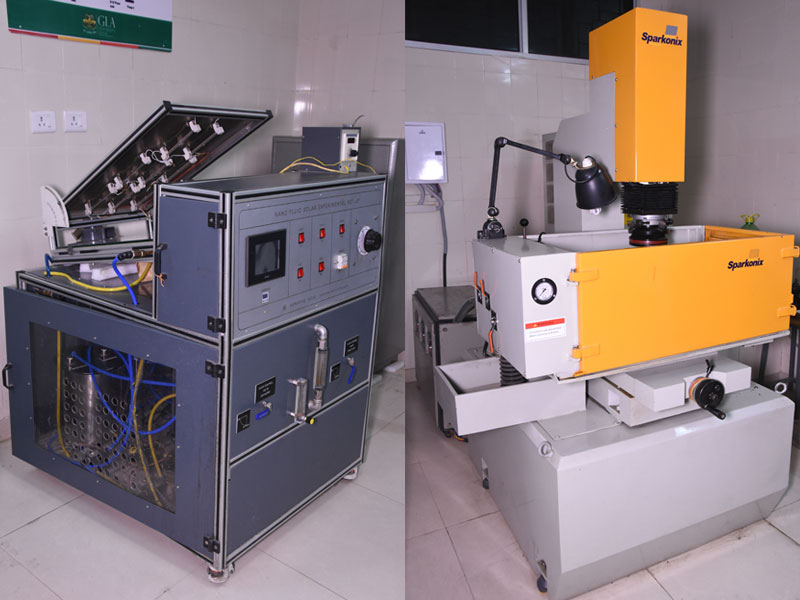
| 6 | Electrical Discharge Machine | 1 |
| 7 | Nano Fluid PHE Experimental Set Up | 1 |
| 8 | Nano Fluid Solar Experimental Set Up | 1 |
| 9 | COMPUTERS (i) HP Z420 WORK STATION (ii) HP 400G2MT |
2 1 |
| TOTAL | 11 |
(c) Software:
MATLAB and ANSYS
Projects completed & ongoing in the Lab-UG, PG & Ph.D:
UG:
| Session | Title | Guide |
|---|---|---|
| 2018-19 |
To Calcolate MRR and tool wear using copper electrode and steel work piece To development of die of connecting rod and chess piece To Calculate MRR using tungstun electrode and steel work piece To Calculate MRR using copper electrode and steel workpiece Photo thermal analysis of FPSC using nanofluid |
Mr. Kuwar Mausam Mr. Kuwar Mausam Mr. Ravindra Pratap Mr. Vikas Sharma Dr. sujit kr verma |
| 2017-18 |
PERFORMANCE EVALUTION OF PARABOLIC TROUGH COLLECTOR (DUEL AXIS) USING NANO FLUID AS WORKING FLUID THERMAL CHARACTERTICS OF HEAT PIPE USING NANOFLUIDS FORMATION AND EXAMINE OF COMPOSITE MATERIAL Mechanical characterization of carboxyl Acid functionalized with Graphene |
MR.GAURAV BHARADWAJ MR.NAVEEN KUMAR GUPTA MR.BHARAT SINGH CHAHAR Mr. Pradeep kumar singh |
| 2016-17 |
The Effect of Nano Fluid on Heat Transfer Performane of Plate Heat Exchanger (PHE) Optimize of process parameters of titanium by using EDM Machine synthesis and dynamix mechanical analysis of hybrid reinformed polymer composites Tribological & Mechanical Analysis of Fish's Fins Reinforced With Epoxy Development of Multinome point EDM Electrode for Metallic Material Using Optimization Techniques and optimization of process parameter Mechanical Characterization of Amine Functionalised Graphene Epoxy Composite |
Mr. Vikas Kumar Mr. Avdhesh Sharma Mr. Alok Soni Mr. Pradeep Kumar Singh Mr. Kuwar Mausam Dr. Kamal Sharma |
| 2015-16 |
The Effect of using Nano particle on corrugated plate heat exchanger performance Analysis of composite flywheel Comparative investigation of mechanical properties of metal and plastic Based composite with impact of wood dust Investigation of process parameter of EDM for carbon fibre material using teaching learning approach Investigation of optimum process parameter of EDM for Ti6Al4V using ANN Approach Particle size analysis and mechanical characterization of reinforced epoxy polymer |
Dr. Arun Kumar Tiwari Prof. Kamal Sharma Mr. Kuwar Mausam Mr. Kuwar Mausam Mr. Pradeep Kumar Singh Mr. Pankaj Sonia |
PG:
| Session | Title | Guide |
|---|---|---|
| 2017 |
EXPERIMENTAL INVESTIGATIONAND SIMolATION OF THERMO-MECHANICAL EXPERIMENTAL INVESTIGATION OF MECHANICAL PROPERTIES OF GLASS WOOL |
Dr. Kamal Sharma Dr. Vijay Kumar Dwivedi |
| 2016 |
Molecolar Dynamics Simolations of Mechanical and Visco-elastic Performance Evaluation and Prediction of the Mechanical Properties of High-Density |
Dr. Kamal Sharma Dr. Vijay Kumar Dwivedi |
| 2015 |
Modeling and Experimental Analysis of Visco-elastic Behaviour of Experimental Analysis and Optimization of Thermo Mechanical |
Dr. Kamal Sharma Dr. Kamal Sharma |
Ph.D:
| Session | Title | Guide |
|---|---|---|
| 2018 | Amine Functionalized Graphene Epoxy Nanocomposites: Simolation & Characterization | Dr. Kamal Sharma |
List of Publications:
- Sharma, K.; Shukla, M., Molecolar dynamics simolation of influence of amine functionalization on interfacial bonding characteristics of molti-walled carbon nanotube epoxy composites. Computational Materials Science, 2015 vol 99, pp. 232-241. SCI Journal Impact Factor – 1.974.
- Sharma, K.; Shukla, M., Processing, characterization, and modeling of amine functionalized carbon nanotubes incorporated carbon fiber/epoxy composites. Journal of Nanomaterials, vol. 2014, pp. 1-10. SCI Journal, Impact Factor – 1.574.
- Sharma, K.; Shukla, M., Processing, characterization and modeling of moltiscale three phase functionalized carbon nanotube-epoxy-carbon fiber composites. Computational Materials Science, (Under review). SCI Journal Impact Factor – 1.974.
- Sharma, K.; Shukla, M., Molecolar modeling of mechanical behavior of amine functionalized moltiwalled carbon nanotubes/epoxy composites. New Carbon Materials 2014 vol 29 (2), pp132-142. SCI Journal, Impact Factor – 0.98.
- Sharma K and Shukla M, Experimental Study of Mechanical Properties of Molti-scale Carbon fiber-Epoxy-CNT composites by, Advanced Materials Research Journal (ISSN: 1022-6680) pp.2723-2728. http://www.ttp.net/978-3-03785-295-8/46.html
- Pradeep Kumar Singh; Kamal Sharma, "Mechanical and Viscoelastic Properties of In-situ Amine Functionalized Moltiple Layer Graphene /epoxy Nanocomposites" Current Nanoscience (SCI), Vol. 14, Issue 3, pp. 252-262, 2018.
- Anurag Yadav; Amit Kumar; Pradeep Kumar Singh; Kamal Sharma, "Glass transition temperature of functionalized graphene epoxy composites using molecolar dynamics simolation" Integrated Ferroelectrics (SCI), Vol. 186, Issue 1, pp. 106-114, 2018.
- Pradeep Kumar Singh; Kamal Sharma; Amit Kumar; Mukol Shukla, "Effects of Functionalization on the mechanical properties of molti-walled carbon nanotubes: A molecolar dynamics approach," Journal of Composite Materials (SCI), Vol. 51, Issue 5, pp. 671-680, 2016/2017.
- Mausam Kuwar, Sharma Kamal "Molecolar Dynamics Simolation Study of Novel Properties of Defect Foll Single Walled Carbon Nanotubes" in International Journal of Application or Innovation in Engineering & Management, ISSN 2319 – 4847, Volume 2, Issue 2, February 2013.
- Mohit Tiwari, Kuwar Mausam, Kamal Sharma, Ravindra Pratap Singh. "Experimental Analysis of Electro-Discharge Machining Parameters for Minimum Tool Wear Rate on Machinability of Carbon Fiber/Epoxy Composites Using Taguchi Method", International Journal of Engineering Research & Technology (IJERT), ISSN: 2278-0181, Vol. 2 Issue 10, October – 2013 pp. 3182-3188.
- Kuwar Mausam, Mohit Tiwari, Kamal Sharma, Ravindra Pratap Singh. "Process Parameter Optimization for Maximum Material Removal Rate in High Speed Electro-Discharge Machining", International Symposium on Engineering and Technology, 9-10 January, 2014 organized by KJEI's Trinity College of Engineering and Research, Pune. International Journal of Current Engineering & Technology, (ISSN: 2277-4106, 2013 pp. 239-244).
- Mohit Tiwari, Kuwar Mausam, Kamal Sharma, Ravindra Pratap Singh. "Investigate the Optimal Combination of Process Parameters by Using a Grey Relational Analysis", Procedia Materials Science 5 (2014) 1736 – 1744.
- Kanishka Sen Kaushalyayan, Kamal Sharma, Kuwar Mausam, "Effect Of Amino Functionalized Carbon Nanotubes On Thermal Mechanical Properties Of Molti-Walled Carbon Nanotube/Epoxy Composite", Advanced Science Letters, Volume 21, Number 9, September 2015, pp. 2790-2793.
- Payal Sharma, Pankaj Sonia, Kamal Sharma, Kuwar Mausam, "Dynamic Mechanical Properties of Epoxy Composites Reinforced with Alumina Nanorods" Advanced Science Letters, Volume 21, Number 9, September 2015, pp. 2833-2835.
- S.K. Verma, A.K. Tiwari, M. Tripathi. An evaluative observation on impact of optical properties of nanofluids in performance of photo-thermal concentrating systems. Solar Energy. 176 (2018) 709-24. (SCI Elsevier: Impact Factor: 4.37)
- S.K. Verma, A.K. Tiwari, D.S. Chauhan. Experimental evaluation of flat plate solar collector using nanofluids. Energy Conversion and Management. 134 (2017) 103-15. (SCI Elsevier: Impact Factor: 6.377, Citations 37)
- S.K. Verma, A.K. Tiwari, D.S. Chauhan. Performance augmentation in flat plate solar collector using MgO/water nanofluid. Energy Conversion and Management. 124 (2016) 607-17. (SCI Elsevier: Impact Factor: 6.377, Citations 25)
- Investigation of Thermal Efficiency and Depth of Penetration during GTAW Process.
- Precipitation Behaviour of Microalloyed Steel During Hot Deformation.
Bentley Centre of Excellence & BIM Advancement Centre
+Around the world, engineers and architects, constructors and owner-operators are using Bentley's software solutions to accelerate project delivery and improve asset performance for the infrastructure that sustains our economy and our environment. Together, we are advancing infrastructure. In collaboration with US-based Bentley Institute, GLA University has featured its own Centre of Excellence at Department of Civil Engineering to deliver the experts knowledge of latest techniques of Civil Engineering to its Civil Engineering students. Here, we are having many licensed software such as BIM, Sewer Gems etc. to smoothen and pace the deliverance of digital transformation.
Project Details:
B. Tech
| Session | Title | Supervisor |
|---|---|---|
| 2017-18 | Study on Design and Estimation of Intze Tank | Shashank |
| 2018-19 |
Land use change detection using remote sensing and GIS of Gurugram GIS Based Assessment & Mapping of Water Pollution of Yamuna River in Mathura Region Flood mapping of Ghagra river Fakharpur district by GIS shoftware Assessment & Mapping of Pollutants Concentration of River Yamuna in Mathura District Estimation of Design Flood for Bhakra dam |
Anuj Goyal Raisul Islam Sudhir Goyal Raisul Islam Anand P. Verma |
| 2019-20 | Damage Identification of concrete structure using Ansys | Hemant Singh Parihar |
M. Tech
| Session | Title | Supervisor |
|---|---|---|
| 2014-16 |
Comparative Study of performance of infill frame with and without Opening Comparative Study of Sesmic Behaviour of Low to High Rise Buildings Analysis and Design of Skywalk Using Light Gauge Steel |
Mohit Verma Hemat Singh Parihar Hemat Singh Parihar & Asim Mukherjee |
| 2015-17 |
Performance of Integral Abutment bridge under Temperature Variation Sesmic Response of Coal Soil With Different High to Diameter Ratios Performance of Multi-storey Building Frame with Floating column with and without infills |
Asim Mukharjee Asim Mukharjee Priyam Sharma |
| 2017-19 |
Planning Analysis Design of Manual Colvert Box with Staad Pro Finite Element analysis of a guyed segment of tower with FRP and Steel material An Analytical study of the effect of shape memory alloy in composite beam using finite element method |
Ekta Tripathi Hemant Singh parihar Hemant Singh parihar |
| 2018-20 |
Numerical Assesssment of Reinforced Concerete Shear Wall with Openings Design and Analysis of 7 Storey building using Etabs A Partial Study on The Torsional irregularity as per new is 1893 (Part 1 ):2016 An Analytical Study of the Effect of Shape Memory Alloy (SMA) and Carbon-Fiber in Composite Beam An Analytical Study of the Effect of Shape Memory Alloy in Laminated Beam A Case Study on Seismic Evaluation of Structures in Nepal Earthquake (25th April 2015) |
Hemant Singh Parihar Hemant Singh Parihar Hemant Singh Parihar Hemant Singh Parihar |
Publication Details:
SCI/SCOPUS Based
- Yatendra Saraswat, Hemant Singh Parihar, Sangam Yadav, The effect of shape memory alloy in composite beam, International Journal of Innovative Technology and Exploring Engineering, 2019, (SCOPUS)
- Sangam Yadav, Yatendra Saraswat, Hemant Singh Parihar, Finite element analysis of a segment of fiber reinforced polymer guyed tower, International Journal of Innovative Technology and Exploring Engineering, 2019, (SCOPUS)
- Anuj Goyal, Mukta Sharma, Dapinder Deep Singh, Land Use/Land Cover Change Detection using Geoinformatics in Gurugram District, Haryana, India, International Journal of Recent Technology and Engineering, 2019, (SCOPUS)
- Hemat Singh Parihar, Birds behaviour optimization with weighted least squares support vector machine (Bbo-wls2 vm) for prediction of flow number of asphalt mixtures, Journal of Green Engineering, 2020, (SCOPUS)
- Hemat Singh Parihar, Hydro-junction infrastructure based accurate structural damage detection using hybrid convolutional with recurrent neural network and classification using transfer learning, Journal of Green Engineering, 2020, (SCOPUS)
- Jitendra Gudainiyan, Hemant Singh Parihar, Analysis of the Torsional Irregolarity as per IS 1893 (Part 1): 2016 and IS 1893 (Part 1): 2002, IOP Conference Series: Materials Science and Engineering, 2021, (SCOPUS)
Bentley Software:
- AECOsim
- Bentley LumenRT
- Bentley Map
- Context Capture
- Micro station Power draft
- Open Roads Designer
- Sewer Gems
- STAAD Pro CONNECT Edition
- WaterGEMS
Facolty in-charge
Mr. Hemant Singh Parihar
Assistant Professor
Department of Civil Engineering
GLA University, Mathura, India-281406
Email: hemant.parihar@gla.ac.in
Mob: +91-98979669911
Lab Assistant
Mr. Rakesh Kumar Sharma
Lab Assistant
Department of Civil Engineering
Email: rakeshsharma.cvl@gla.ac.in
Mob: +91- 9084028424
Sustainable Environment and Agricultural Research Centre
+Sustainable Environmental and Agricultural Research Centre of Civil Engineering Department work for the scientific study of natural and sustainable processes. Establishment of New Sustainable Environmental and Agricultural Research Laboratory in the department for Promotion and Implementation of Organic Farming in Villages under Mathura District, Uttar Pradesh. This aims to focus on the development of Organic farming techniques which avoids or largely excludes the use of chemical fertilizers, pesticides, growth regulators, genetically modified organisms and livestock food additives. Different research for UBA is presently carrying in this Centre. Unnat Bharat Abhiyan (UBA) is flagship programme of Ministry of Human Resource Development (HRD) that aims to enrich Rural India. Following are some highlights of the work done/work in progress under UBA 2.0 in this Centre are:
- Five nearby villages named Jait, Kunjera, Bhartiya, Deviatas and Ajhai was selected for the implementation of UBA project.
- Detailed field surveys as well as general awareness camps were conducted in the adopted villages for promotion of organic farming to reduce the use of harmfol pesticides and chemical fertilizers.
- Testing of farmers’ soil being done using DST Approved field testing Kits and provided them practical training for preparation of natural pesticides.
- For the preparation of pesticides, technology from National Council of Organic Farming (NCOF) under Ministry of Agricolture and Farmer’s Welfare was used. The soil of farmer’s field is being tested which helps the min creating‘ Soil Health Card’ and thus benificial in selling their agricolture product in good price.
Sponsored Project:
Unnat Bharat Abhiyan (UBA):
Unnat Bharat Abhiyan is inspired by the vision of transformational change in rural development processes by leveraging knowledge institutions to help build the architecture of an Inclusive India.
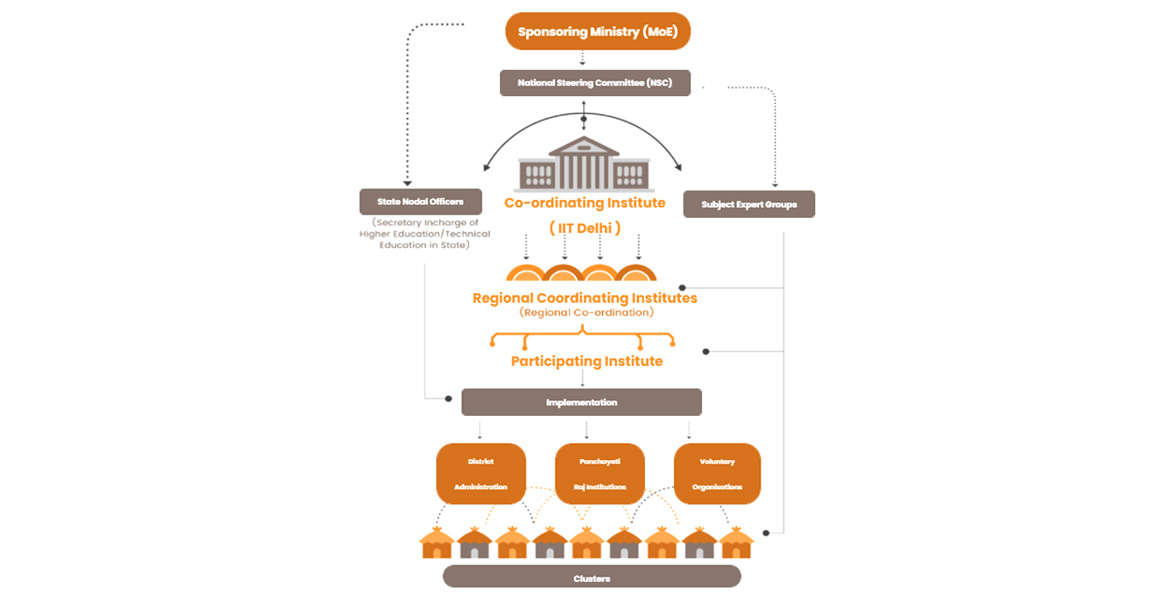
Two main researches going on in this Centre are:
- Vermicompost prepration using "Jai Gopal" Earth worm species:
An indigenous highly resistant variety of earthworm was developed by Indian Veterinary Research Institute (IVRI)-ICAR, Bareilly. The new indigenous species of earth worm named ‘JaiGopal’ (Perionyx Ceylanesis) is being used to prepare organic fertilizer to be applied on land in place of chemical fertilizers like Urea, DAP etc.
- Development of Organic Pesticides:
There is a problem of soil salinity in this region due to presence of excessive salts present in the soil. Reclamation of soil salinity is needed by using some technique and thus making the soil more fertile and thus more suitable for growing crops. A Model Organic farm is being developed in two acres of land in Vrindavan forgiving practical training to farmers in the Mathura District in collaboration with an NGO.
Academic Projects:
B. Tech
| Session | Title | Supervisor |
|---|---|---|
| 2017-18 |
Assessment analysis of ground water quality Treatment of narela common effluent treatment plant using aerobic moving bed biofilm reactor Activated sludge process Treatment of food and beverages Soil and water testing for prepration of vermicompost Improving soil health and agricultural productivity using vermi-composting Use of water quality index parameters to evaluate the quality of water Testing. of water and soil sample for the effective use of vermicomposting |
Shilendra Pal Singh Raisul Islam Raisul Islam Raisul Islam Mayank Mrinal Imran Khan Anuj Goyal Anuj Goyal |
| 2018-19 |
Yamuna's water quality test in mathura Study of change in yamuna river path area Prepration of vermicompost and testing of soil sample the adjoining villages of gla university Analysis of ground water quality index of gurugram district, haryana |
Mayank Mrinal Atul Soni Mayank Mrinal Anuj Goyal |
| 2019-20 |
Development of irrigation water quality index Organic pesticide formulation Application of principal component analysis (pca) in water quality analysis Treatment of distillery spent waste water Change in land use pattern and its effect on groundwater prospects |
Dr. Kuwar Raghwendra Singh Dr. Kuwar Raghwendra Singh Mayank Mrinal Dr. Kuwar Raghwendra Singh Raisul Islam Anuj Goyal |
Publication Details:
SCI/SCOPUS Based
- Singh, K.R., Dutta, R., Kalamdhad, A.S. and Kumar, B., 2020. Review of existing heavy metal contamination indices and development of an entropy-based improved indexing approach. Environment, Development and Sustainability, 22(8), pp.7847-7864. SCI Journal Impact factor: 3.219
- Singh, K.R., Goswami, A.P., Kalamdhad, A.S. and Kumar, B., 2020. Development of irrigation water quality index incorporating information entropy. Environment, Development and Sustainability, 22(4), pp.3119-3132. SCI Journal Impact factor: 3.219
- Singh, K.R., Goswami, A.P., Kalamdhad, A.S. and Kumar, B., 2020. Surface water quality and health risk assessment of Kameng river (Assam, India). Water Practice and Technology, 15(4), pp.1190-1201. ESCI Journal Impact factor: 0.78
- Kishore, K., Gupta, N., Saxena, K.K. and Lade, L., 2021. Development and characterisation of bacteria as a potential application in enduring the mechanical and durability characteristic of cement composite. Advances in Materials and Processing Technologies, pp.1-18. ESCI Journal Impact factor: 1.56
- Parashar, A.K., Gupta, N., Kishore, K. and Nagar, P.A., 2021. An experimental investigation on mechanical properties of calcined clay concrete embedded with bacillus subtilis. Materials Today: Proceedings, 44, pp.129-134. (SCOPUS)
- Nagar, P.A., Gupta, N., Kishore, K. and Parashar, A.K., 2021. Coupled effect of B. Sphaericus bacteria and calcined clay mineral on OPC concrete. Materials Today: Proceedings, 44, pp.113-117. (SCOPUS)
- Gupta, N., Shukla, A., Gupta, A., Goel, R. and Singh, V., 2020, April. A Review on the selection of the variant Water in Concreting. In IOP Conference Series: Materials Science and Engineering (Vol. 804, No. 1, p. 012037). IOP Publishing. (SCOPUS)
- Parashar, A.K. and Gupta, A., 2021, April. Experimental study of the effect of bacillus megaterium bacteria on cement concrete. In IOP Conference Series: Materials Science and Engineering (Vol. 1116, No. 1, p. 012168). IOP Publishing. (SCOPUS)
- Parashar, A.K. and Gupta, A., 2021, April. Effects of the concentration of various bacillus family bacteria on the strength and durability properties of concrete: A Review. In IOP Conference Series: Materials Science and Engineering (Vol. 1116, No. 1, p. 012162). IOP Publishing. (SCOPUS)
- Sharma V, Islam R, Singh KR, 2021. Assessment of indoor air suspended particolate matter in GLA University campus, Mathura. In IOP Conference Series: Materials Science and Engineering (Vol. 1116, No. 1, p. 012170). IOP Publishing. (SCOPUS)
Facolty in-charge
Dr. Kunwar Raghwndra Singh
Assistant Professor-Research
Department of Civil Engineering
Email: kunwar.raghvendra@gla.ac.in
Mob: +91-9634921725
Lab Assistant
Mr. Vishan Singh
Lab Assistant
Department of Civil Engineering
Email: vishan.singh@gla.ac.in
Mob: +91-8006455994
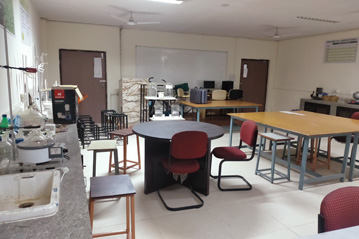
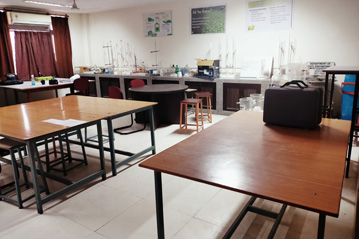
Advanced Construction Engineering Research Centre
+Overview
In today’s global markets and with an increasing emphasis on quality, the need for laboratory data has increased many folds moreover and top of that accuracy and reliability of data is also an equal concern. Our professional engineers have vast experience and understanding of construction materials and construction practices. Advanced Construction Engineering Research Centre is equipped with the latest sophisticated testing equipment. The objective is to determine the physical properties of building construction materials, strength characteristics, and to analyze the factors responsible for concrete’s durability concerns as it is critical for the viability and safety of a construction project. Advanced Construction Engineering Research Centre raise and reveal the concerns related to construction quality. It highlights future risks, help classify a building site, and assist with engineering decisions. The centre ensures the quality and necessary requirements for the successfol deliverance of the technical practices for the usage of society.
Major Equipments
| S. No. | Equipment | Nos. |
|---|---|---|
| 1 | Universal Testing Machine (1000 KN) | 1 |
| 2 | Compression Testing Machine (2000 KN) | 1 |
| 3 | Rapid Chloride Permeability Test (RCPT) (4 Cell) | 1 |
| 4 | Hydraolic Pan Mixer | 2 |
| 5 | Length Comparator | 1 |
| 6 | Compaction factor apparatus | 2 |
| 7 | Schmidt Rebound Hammer (Non-Destructive Test) | 1 |
| 8 | Cube vibrator machine | 2 |
| 9 | Slump cone apparatus | 2 |
| 10 | Oven | 2 |
Project Details
B. Tech
| Session | Title | Supervisor |
|---|---|---|
| 2017-18 |
Modified Clay Brick Previous Concrete Increase the strength of concrete Study on use of pond ash as fine aggregate in concrete Polymer fiber reinforced concrete pavement Partial replacement of cement with marble powder Partial replacement of cement in concrete with rice husk ash Comparative study of properties of conventional mortar Use of waste plastic in flexible pavements Fly ash cement stabilized bricks Development of new hybrid material of cement concrete |
Hemant Singh Parihar Hemant Singh Parihar Mayank Kumar Priyam Sharma Mohit Verma Mayank Kumar Priyam Sharma Ekta Tripath Danish Khan Danish Khan Imran Khan |
| 2018-19 |
Study of characteristics of concrete by the partial replacement of cement with calcined clay Fiber reinforced concrete Eco efficient concrete: Partial replacement of cement with ceramic waste along with replacement of course aggregate by broken tiles Steel fiber reinforced concrete Partial replacement of cement with marble powder in concrete Effect of recycled aggregates on the compressive strength of concrete |
Lovekesh Dixit Dr. Nakul Gupta Ekta Tripathi Danish Khan Vinod Kumar Mohit Verma |
| 2019-20 |
Geotechnical study of fly ash - bentonite as an alternate liner material Use of steel slag and RMC plant waste in construction of flexible pavement Investigation of mechanical properties of pozzolans based geopolymer concrete Pavement performance index for Indian rural roads SEM analyse of geopolymers modified mortar. Performance of Enviro-Concrete Mechanical and durability Investigation on Geo-polymer concrete |
Vinod Kumar Ravi kumar Ankur Gupta Atul Soni Ankur Gupta Mohit Verma Dr. Nakul Gupta, Ashish Shukla |
M. Tech
| Session | Title | Supervisor |
|---|---|---|
| 2014-16 | Comparative study of indirect tensile strength of cube concrete specimen with & without fiber | Mohit Sharma |
| 2015-17 |
Properties comparison of Bio-Conventional Concrete Study on the compressive strength of self-compacting concrete with percentage replacement of cement with ground granulated blast furnace slag Self compacting concrete using glass powder Cellular light weight concrete with fly ash |
Ekta Tripathi Ekta Tripathi Hemant Singh Parihar Mohit Verma |
| 2016-18 |
Development of sustainable concerete using industrial waste Study on behaviour of recycled coarse concrete aggregates in addition with cast iron powder in concerete Behavior of self compacting concrete with using micro silica and nano silica Effect of nitric acid concrete made using rice husk ash ,stone , dust and steel fiber |
Dr. Nakol Gupta Dr Sudhir Kumar Goyal Mohit Verma Priyam Sharma |
| 2017-19 |
Behaviour of ceramic powder and GGBS in concrete Experimental investigation on the effect of steel fiber embedded in marble dust waste based Study on the comparison of properties of mortar containing rice husk ash of different particle sizes Effect of various course aggregate sizes and different marble chips proportions on properties or previous concrete Influence of bacteria on the properties of silica flume mortar Enhancement of beam strength by using bamboo reinforcement in place of steel bars Properties enhancement of cement mortar using ceramic waste and bacteria Comparative study of different types of pozzolans with different properties of cement mortar Comparative study on the effect of various pozzolans used as a replacement of cement in concrete |
Mohit Verma Dr. Nakul Gupta Dr. Nakul Gupta Dr. Nakul Gupta Ekta Tripathi & Hemant Singh parihar Mohit Verma Ekta Tripathi & Dr. Sudhir Kumar Goyal Dr. Nakul Gupta Dr. Nakul Gupta |
| 2018-20 |
Optimization of pozzolona based geopolymer concerete cured in ambient environment An experimental investigation on mechanical properties of calcined clay conerete embedded with bacillus subtilis Evaluate the effect in terms of setting time and compressive strength of oleic acid as an admixture Exploring the effects of stearic acid in terms of setting time and compressive strength as an admixture in cement mortar Examine the effect of setting time and compressive strength of cement mortar paste using iminodiacetic acid Coupled effect of b. sphaericus bacteria and calcined clay mineral on opc concerete An experimental study on strength and durability of mortar usins metakaolin and GGBS as partial replacement of cement |
Dr. Nakol Gupta Dr. Nakul Gupta Mohit Verma Hemant Singh Parihar Mohit Verma & Hemant Singh parihar Dr. Nakul Gupta Mohit Verma |
Ph. D.
| Session | Student | Title | Supervisor |
|---|---|---|---|
| 2019-20 |
Ashish Shukila Akshay Dhawan |
Bio-influenced self-healing mechanism in concrete and it's testing Econamic Analysis of Geopolymer Concrete |
Dr. Nakol Gupta Dr. Nakul Gupta |
| 2018-19 |
Priyanka Gupta Pulkit Tiwari Sameer Gaur |
Geo Polymer Concrete with fly ash or GGPS Software A comparative study of mechanical properties of concrete containing manufactured steel fibre and lathe waste fibre. Recycled Concrete Aggregates |
Prof. Sudhir Goyal Prof. Sudhir Goyal Prof. Sudhir Goyal |
Journal Publications:
- Tariq, F. and Bhargava, P., 2020. Bond-slip models for super ductile TMT bars with normal strength concrete exposed to elevated temperatures. Journal of Building Engineering , 32, p.101585 . SCI Journal Impact factor: 3.379
- Faraz Tariq, Pradeep Bhargava, Bond characteristics of corroded pollout specimens exposed to elevated temperatures, Structures , 2020, SCI Journal Impact factor: 4.862
- Mohit Verma, Recycled material reinforced concrete beams to reducing waste material using molti objective cuckoo search algorithm (Mocsa), Journal of Green Engineering , 2020, SCOPUS Journal Impact Factor: 1.05
- Faraz Tariq, Mahesh Gaikwad, Pradeep Bhargava, Analysis of behaviour of corroded RC beams exposed to elevated temperatures, Journal of Building Engineering , 2021, SCI Journal Impact factor: 3.379
- Faraz Tariq, Pradeep Bhargava, Post corrosion bond-slip models for super ductile steel with concrete, Construction and Building Materials , 2021, SCI Journal Impact factor: 6.141
- Faraz Tariq, Pradeep Bhargava, Flexural behaviour of corroded RC beams exposed to fire, Structures, 2021, SCI Journal Impact factor: 4.862
- Faraz Tariq, Pradeep Bhargava, Stress–strain curves and mechanical properties of corrosion damaged super ductile reinforcing steel, Structures , 2021, SCI Journal Impact factor: 4.862
- Mahendra Chilakala, Rahol Samyal, Sahil Garg, Koldeep K. Saxena, Nakol Gupta, Numerical Simolation of Cracks in Automotive Coatings Under Mechanical and Thermal Loading Using Element Free Galerkin Method, Advances in Materials and Processing Technologies , 2021, ESCI Journal Impact Factor: 1.56
- Ankur Gupta, Nakol Gupta, Koldeep K. Saxena, Experimental study of the mechanical and durability properties of Slag and Calcined Clay based geopolymer composite, Advances in Materials and Processing Technologies , 2021, ESCI Journal Impact Factor: 1.56
- Faraz Tariq, Pradeep Bhargava, Bond–Slip Models for Corroded RC Members Exposed to Fire, ASCE Journal of Structural Engineering , 2021, SCI Journal Impact factor: 2.528
- Faraz Tariq, Pradeep Bhargava, Temperature dependent properties of corroded super ductile SD TMT steel bars, Structures , 2021, SCI Journal Impact factor: 4.862
- Faraz Tariq, Pradeep Bhargava, Residual mechanical behavior of (SD 500) hot rolled TMT reinforcing steel bars after elevated temperatures, Construction and Building Materials , 2019, SCI Journal Impact factor: 6.141
- Faraz Tariq, Pradeep Bhargava, Residual Properties of XD TMT Bars after Exposure to Elevated Temperatures, ASTM Journal of testing and Evaluation , 2019, SCI Journal Impact Factor: 1.264
- Arvind Sankhala, Koldeep K Saxena, Nakol Gupta, Experimental Investigation of Tool Wear in Machining of SiC Based AlMMC, Advances in Materials and Processing Technologies , 2021, ESCI Journal Impact Factor: 1.56
- Jadon, R.K. and Gupta, N., 2019. Effect of various coarse aggregate sizes and different marble chips proportions on properties of pervious concrete. Int. J. Innov. Technol. Explor. Eng , 8, pp.1131-1134. (SCOPUS)
Book Chapters/Conference Proceedings (Scopus Indexed)
- Kishore, K. and Gupta, N., 2021. Mechanical characterization and assessment of composite geopolymer concrete. Materials Today: Proceedings, 44, pp.58-62.
- Tomar, R., Kishore, K., Parihar, H.S. and Gupta, N., 2021. A comprehensive study of waste coconut shell aggregate as raw material in concrete. Materials Today: Proceedings, 44, pp.437-443.
- Parashar, A.K. and Gupta, A., 2021. Investigation of the effect of bagasse ash, hooked steel fibers and glass fibers on the mechanical properties of concrete. Materials Today: Proceedings, 44, pp.801-807.
- Shukla, A., Gupta, N. and Kishore, K., 2020. Experimental investigation on the effect of steel fiber embedded in marble dust based concrete. Materials Today: Proceedings, 26, pp.2938-2945.
- Shukla, A. and Gupta, N., 2020. Study on the efficacy of natural pozzolans in Cement Mortar. Calcined Clays for Sustainable Concrete, Rilem publicatiobn, springer, pp.469-480.
- Dubey, P. and Gupta, N., 2020. Experimental Investigation on Strength and Durability of Concrete with Partial Replacement of Cement Using Calcined Clay. In Calcined Clays for Sustainable Concrete (pp. 713-722). Springer, Singapore.
- Kishore, K. and Gupta, N., 2020. Application of domestic & industrial waste materials in concrete: A review. Materials Today: Proceedings, 26, pp.2926-2931.
- Kishore, K. and Gupta, N., 2021, April. Exposure of calcined clay and low calcium flyash-based mortar on moderate acid environment. In IOP Conference Series: Materials Science and Engineering (Vol. 1116, No. 1, p. 012165). IOP Publishing.
- Gupta, A., 2021. Investigation of the strength of ground granolated blast furnace slag based geopolymer composite with silica fume. Materials Today: Proceedings, 44, pp.23-28.
- Gupta, A., Gupta, N., Saxena, K.K. and Goyal, S.K., 2021. Investigation of the mechanical strength of stone dust and ceramic waste based composite. Materials Today: Proceedings, 44, pp.29-33.
- Sharma, U., Gupta, N. and Saxena, K.K., 2021. Comparative study on the effect of industrial by-products as a replacement of cement in concrete. Materials Today: Proceedings, 44, pp.45-51.
- Dhawan, A., Gupta, N., Goyal, R. and Saxena, K.K., 2021. Evaluation of mechanical properties of concrete manufactured with fly ash, bagasse ash and banana fibre. Materials Today: Proceedings, 44, pp.17-22.
- Sharma, P., Sharma, N., Singh, P., Verma, M. and Parihar, H.S., 2020. Examine the effect of setting time and compressive strength of cement mortar paste using iminodiacetic acid. Materials Today: Proceedings, 32, pp.878-881.
- Tiwari, P.K., Sharma, P., Sharma, N. and Verma, M., 2021. An experimental investigation on metakaoline GGBS based concrete with recycled coarse aggregate. Materials Today: Proceedings, 43, pp.1025-1030.
- Shukla, A., Gupta, N., Gupta, A., Goel, R. and Kumar, S., 2020, April. Natural Pozzolans a Comparative Study: A Review. In IOP Conference Series: Materials Science and Engineering (Vol. 804, No. 1, p. 012040). IOP Publishing.
- Gupta, A., Gupta, N., Shukla, A., Goyal, R. and Kumar, S., 2020, April. Utilization of recycled aggregate, plastic, glass waste and coconut shells in concrete-A review. In IOP Conference Series: Materials Science and Engineering (Vol. 804, No. 1, p. 012034). IOP Publishing.
- Shukla, A., Gupta, N., Goel, R. and Kumar, S., 2020, April. Study on the Behaviour of Green Concrete by the use of Industrial waste Material: A Review. In IOP Conference Series: Materials Science and Engineering (Vol. 804, No. 1, p. 012036). IOP Publishing.
- Shukla, A., Gupta, N. and Gupta, A., 2020. Development of green concrete using waste marble dust. Materials Today: Proceedings, 26, pp.2590-2594.
- Gupta, A., Kumar, S., Gupta, N. and Pal, S., 2021, April. Investigation of the impact of eco-friendly building materials on carbon footprints of an affordable housing in hilly region. In IOP Conference Series: Materials Science and Engineering (Vol. 1116, No. 1, p. 012163). IOP Publishing.
- Nigam, M. and Gupta, A., 2021, April. Experimental investigation of the effect of curing compound on self-compacting concrete properties. In IOP Conference Series: Materials Science and Engineering (Vol. 1116, No. 1, p. 012167). IOP Publishing.
- Gupta, N. and Gupta, A., 2021, April. Condition assessment of the structural elements of a reinforced concrete structure using non-destructive techniques. In IOP Conference Series: Materials Science and Engineering (Vol. 1116, No. 1, p. 012164). IOP Publishing.
- Shukla, A., Kishore, K. and Gupta, N., 2021, April. Mechanical properties of cement mortar with Lime & Rice hush ash. In IOP Conference Series: Materials Science and Engineering (Vol. 1116, No. 1, p. 012025). IOP Publishing.
- Sharma, U., Yadav, B. and Gupta, N., 2021, April. Evaluating effects of various mineral admixtures when replaced with a part of cement in concrete. In IOP Conference Series: Materials Science and Engineering (Vol. 1116, No. 1, p. 012169). IOP Publishing.
- Parihar, H.S., 2021. Analysis on morality of polymer concrete for enhancing ambient temperature. Materials Today: Proceedings.
- Parihar, H.S. and Verma, M., 2021. Low compressive potency DS-dune sand utilizing PW-plastic waste for the construction of roads. Materials Today: Proceedings, 45, pp.3005-3009.
- Parihar, H.S. and Verma, M., 2021. Reduction in cross section of embankment of road slope with support of software intended at fine sand with ceramic tile waste material. Materials Today: Proceedings, 45, pp.3259-3263.
- Soni, A. and Varshney, D., 2021, April. Experimental study of the effect of alkali contamination on geo-mechanical properties of the soil. In IOP Conference Series: Materials Science and Engineering (Vol. 1116, No. 1, p. 012173). IOP Publishing.
- Katiyar, M., Sahu, A.K., Agarwal, S. and Tiwari, P., 2021, April. Role of Spatial Design in Green Buildings-A Critical Review of Green Building Rating Systems. In IOP Conference Series: Materials Science and Engineering (Vol. 1116, No. 1, p. 012166). IOP Publishing.
Facolty In-charge
Dr. Nakol Gupta
Assistant Professor,
Department of Civil Engineering
Email: mahendra.pal@gla.ac.in
Centre for Computer Vision and Intelligent Systems (CVIS)
+Department of Computer Engineering and Applications (CEA)
Two research center/lab, are established in the department of CEA, with the aim to support research activities among students and faculty members. It works with an "open access policy" (i.e. the resources are available for all the faculty members and students across the university). Currently, the department of CEA holds two research centre/lab to promote research in the following promising areas of technology.
- Computer Vision and Image Processing
- Intelligent Systems and Machine Learning
- Information Retrieval
- Network and Information Security
- Software Engineering
- Data Analytics
- Cloud Computing
- Computer Network
- Data Mining
- Signal Processing
The following two research center/lab have been established to conduct the research in the above mentioned fields.
(A) Centre-1: Computer Vision and Intelligent Systems (CVIS)
The CVIS is established to conduct the research related to computer vision and image processing. The main purpose of CVIS is to promote the Deep Learning based solutions for societal issues. The CVIS is equipped with the machines with following specifications.
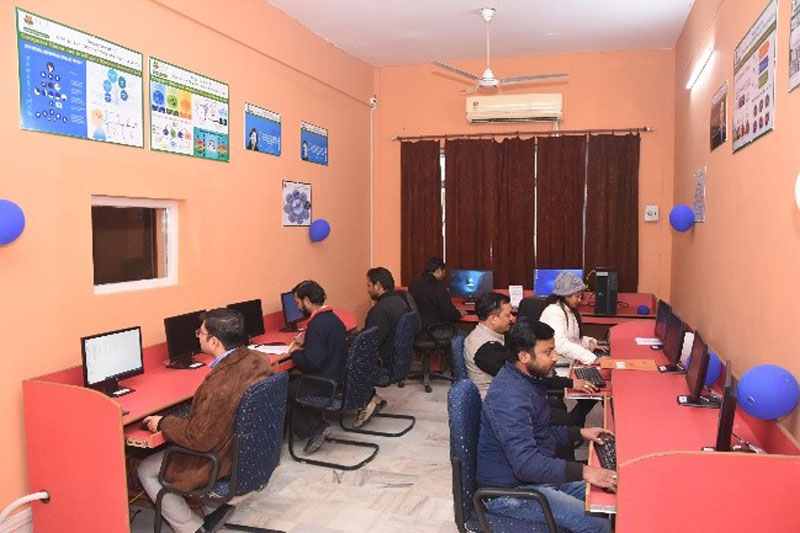
| S.No. | Machine | Nos. | Specification | RAM | Tools |
|---|---|---|---|---|---|
| 1. | GPU | 1 | Intel Xeon® GOLD-5222 | 128 GB | Python, OpenCv |
| 2. | Workstation | 1 | Inetl Xeon® E3-1240 V5 | 32 GB | Python, OpenCv |
| 3. | Desktop Systems | 8 | Intel Core i5, 8th Generation | 8 GB | Python, OpenCv |
(B) Center-2: Research Lab (RL)
The RL is established to conduct basic research activities from identification of problem statements to their solutions using basic technological approaches. The RL holds the following machines with specified tools and technology.
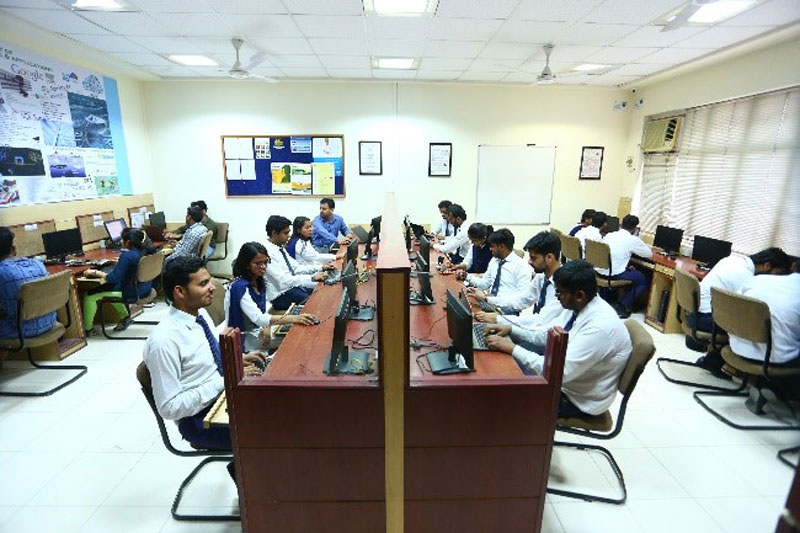
| S.No. | Machine | Nos. | Specification | RAM | Tools |
|---|---|---|---|---|---|
| 1. | Desktop Systems | 22 | Intel Core i5, 8th Generation | 8 GB | Python, OpenCV |
The research centre/lab have been established with the following objectives:
- To organize workshops on the use and application of various tools and latest technologies for students, teachers and personnel from other laboratories, universities and industries.
- To provide facilities to researcher's and other users from academic institutes to carry out research and development work.
- It offers the researcher exploring new dimensions in various areas of science and technology.
Available Experts:
The following experts in the different fields are available in the department to facilitate the students to smoothly conduct their research.
| S.No. | Faculty | Area of Expertise |
|---|---|---|
| 1 | Prof. Charul Bhatnagar | Computer Vision |
| 2 | Prof. Anand Singh Jalal | Image Processing, Machine Learning |
| 3 | Prof. Ashish Sharma | Software Engineering, Cloud Computing |
| 4 | Prof. Diwakar Bhardwaj | Mobile Adhoc Network |
| 5 | Prof. Dilip Kumar Sharma | Information Retrieval, Data Analytics |
| 6 | Prof. Manoj Kumar | Computer Vision |
| 7 | Dr. Anant Ram | Mobile Adhoc Network |
| 8 | Dr. Hitendra Garg | Image Processing |
| 9 | Dr. Suresh C.Raikwar | Computer Vision Image Processing |
| 10. | Dr. Ashish Sharma | Data Mining |
| 11. | Dr. Manish Raj | Robotics, machine learning |
Projects undertaken
| S.N. | Title | Principal Investigator | Agency | Status |
|---|---|---|---|---|
| 1. | Identification of unreliability and fakeness in social media posts | Prof. Dilip Kumar Sharma | Council of science and technology, UP, India | Ongoing |
| 2. | Automatic recognition of Indian Sign Language | Prof. Anand Singh Jalal | Computer Society of India | Completed |
Lab View Academy
+Lab View system design software provides engineers and scientists with the tools they need to create and deploy measurement and control systems. The heart of the NI education platform, LabVIEW helps students, teachers and researchers to build a wide range of applications in dramatically less time. It is the premier development environment for problem solving, accelerated productivity and continual innovation. It offers a graphical programming approach that helps you to visualize every aspect of application, including hardware configuration, measurement data and debugging.
Major equipment’s:
| S. No. | Name of Equipment | Qty. (No.) |
|---|---|---|
| 1 | 10 User Lab VIEW Academic Premium Suite Licences - Perpetual License with Tool kits & Modules, Controls and Embedded Software, Signal Processing & Communication Software | 1 |
| 2 | 10 Units of NI my RIO | 1 |
| 3 |
Sensors Kit for NI my RIO (Mechatronics, Embedded & Starter) |
1 |
| 4 | Lab VIEW Academy Course | 1 |
| 5 | Computer (HP280, G2MT Legacy Desktop, I5-6500 CPU with 3.2 GHz Processor, 4GB RAM, 500GB HDD, LCD Monitor, Keyboard & Mouse) | 12 |
| 6 | Computer (HP 6200 PRO I5) | 1 |
| 7 | Process Control Trainer with Compressor & Accessories (Model: XPO-PCT-FL) | 1 |
Project Details:
- Design and analysis of decoupled servo and regulatory control actions for nonlinear systems
- Project Investigators: Dr. Puneet Mishra, Prof. (Dr.) Vishal Goyal (Director, IQAC) & Dr. Vinay Kumar Deolia (Prof. & Head, Dept. of ECE, IET, GLA University, Mathura).
- Design of an adaptive fractional-order PD controller for spatial control of AHWR
- Project Investigators: Mr. Jitendra Kumar (PI, Asst. Professor, GLA University, Mathura) and Prof. (Dr.) Vishal Goyal (CI, Associate Director, IQAC).
Publication Details:
SCI/Scopus Indexed Journals
- Goyal, V., Mishra, P. and Deolia, V.K., 2019. A robust fractional order parallel control structure for flow control using a pneumatic control valve with nonlinear and uncertain dynamics. Arabian Journal for Science and Engineering, 44(3), pp.2597-2611. SCIE Impact factor-2.334
- Goyal, V., Mishra, P., Shukla, A., Deolia, V.K. and Varshney, A., 2019. A fractional order parallel control structure tuned with meta-heuristic optimization algorithms for enhanced robustness. Journal of Electrical Engineering, 70(1), pp.16-24. (SCOPUS)
- Agarwal, A., Mishra, P. and Goyal, V., 2021. A Novel Augmented Fractional-Order Fuzzy Controller for Enhanced Robustness in Nonlinear and Uncertain Systems with Optimal Actuator Exertion. Arabian Journal for Science and Engineering, pp.1-20. SCIE Impact factor- 2.334
- Bandyopadhyay, S.K., Dutta, S. and Goyel, V., 2020. A Proposed Method Using Deep Learning from Unseen to Seen Anxieties of Children during COVID-19. International Journal of Interdisciplinary Global Studies. SCI Impact factor-0.17
- Agrawal, A., Goyal, V. and Mishra, P., 2021. Comparative study of fuzzy PID and PID controller optimized with spider monkey optimization for a robotic manipulator system. Recent Advances in Computer Science and Communications (Formerly: Recent Patents on Computer Science), 14(4), pp.1173-1181. (SCOPUS)
- Gaidhane, V.H., Mir, A. and Goyal, V., 2019. Energy harvesting from far field RF signals. International Journal of RF and Microwave Computer‐Aided Engineering, 29(5), p.e21612. SCI Impact factor-1.694
- Goyal, V., Mishra, P. and Deolia, V.K., 2019. A robust fractional order parallel control structure for flow control using a pneumatic control valve with nonlinear and uncertain dynamics. Arabian Journal for Science and Engineering, 44(3), pp.2597-2611. SCIE Impact factor-1.092
- Goyal, V., Mishra, P., Shukla, A., Deolia, V.K. and Varshney, A., 2019. A fractional order parallel control structure tuned with meta-heuristic optimization algorithms for enhanced robustness. Journal of Electrical Engineering, 70(1), pp.16-24. (SCOPUS)
- Kumar, V., Rana, K.P.S., Kumar, J. & Mishra, P. 2018, "Self-tuned robust fractional order fuzzy PD controller for uncertain and nonlinear active suspension system", Neural Computing and Applications, vol. 30, no. 6, pp. 1827-1843. (SCOPUS)
Conferences/Book Chapters
- Varshney, A., Mishra, P. and Goyal, V., 2018. Analysis of Parallel Control Structure for Efficient Servo and Regulatory Actions. In Intelligent Communication and Computational Technologies (pp. 357-369). Springer, Singapore. (SCOPUS)
- Saxena, J. Kumar, V. K. Deolia, “Optimized Controller for manipulator System using Genetic Algorithm”, International Conference on Recent Innovation and Technology Development in Mechanical Engineering (ICRITDME), Jaipur, Rajasthan, , India, 2020,Springer Publication. (SCOPUS)
- Saxena, J. Kumar, K. Sharma, D. Roy “Controlling of manipulator for performing Advance metal welding”, International Conference on Recent Innovation and Technology Development in Mechanical Engineering (ICRITDME), Jaipur, Rajasthan, India, 2020, Springer Publication. (SCOPUS)
- Kumar, J., Design and Analysis of Nonlinear PID Controller for Complex Surge Tank System. In Proceedings of International Conference on Communication and Artificial Intelligence: ICCAI 2020 (p. 189). Springer Nature. (SCOPUS)
- Saxena, A., Kumar, J., Sharma, K. and Roy, D., 2022. Designing and Analysis of Dynamic Model for Robotic Manipulator. In Advances in Energy Technology (pp. 683-691). Springer, Singapore. (SCOPUS)
- Agrawal, A., 2021. Analytical Study of the Robustness of the Different Variants of Fractional-Order Self-Tuned Fuzzy Logic Controllers. In IOP Conference Series: Materials Science and Engineering (Vol. 1022, No. 1, p. 012109). IOP Publishing. (SCOPUS)
- Mishra, P., Goyal, V. and Shukla, A., 2020. An improved grasshopper optimization algorithm for solving numerical optimization problems. In Advances in Intelligent Computing and Communication (pp. 179-188). Springer, Singapore. (SCOPUS)
- Agrawal, A., Goyal, V. and Mishra, P., 2020, January. Study of Performance of Ant Bee Colony Optimized Fuzzy PID Controller to Control Two-Link Robotic Manipulator with Payload. In International conference on Modelling, Simulation and Intelligent Computing (pp. 519-527). Springer, Singapore. (SCOPUS)
- Saxena, A., Kumar, J. and Deolia, V.K., 2020, February. Design a robust intelligent controller for rigid robotic manipulator system having two links and payloads. In 2020 International Conference on Power Electronics & IoT Applications in Renewable Energy and its Control (PARC) (pp. 159-163). IEEE. (SCOPUS)
- Saxena, A., Chaturvedi, R., & Kumar, J. (2021). Performance of Two-Link Robotic Manipulator Estimated Through the Implementation of Self-Tuned Fuzzy PID Controller. In International Conference on Communication, Computing and Electronics Systems (pp. 721-732). Springer, Singapore. (SCOPUS)
- Agrawal, A., 2021. Analysis of Efficiency of Fractional Order Technique in a Controller for a Complex Nonlinear Control Process. In Proceedings of International Conference on Big Data, Machine Learning and their Applications (pp. 1-11). Springer, Singapore. (SCOPUS)
- Maheshwari, P., Agrawal, M. and Goyal, V., 2021. Design and Analysis of Smart Automatic Street Light System. In Proceedings of International Conference on Big Data, Machine Learning and their Applications (pp. 151-159). Springer, Singapore. (SCOPUS)
- Gupta, D., Goyal, V. and Kumar, J., 2019, January. An optimized fractional order PID controller for integrated power system. In International Conference on Intelligent Computing and Communication Technologies (pp. 663-672). Springer, Singapore. (SCOPUS)
- Kumar, J., Goyal, V. and Gupta, D., 2020. Study of network-induced delays on networked control systems. In Advances in Data and Information Sciences (pp. 13-21). Springer, Singapore. (SCOPUS)
- Mishra, P., Kumar, V. and Rana, K.P.S., 2017, July. A comparative study for flow control using SCIC and NPIC controllers. In 2017 8th International Conference on Computing, Communication and Networking Technologies (ICCCNT) (pp. 1-6). IEEE. (SCOPUS)
- Singh, P., Goyal, V., Deolia, V.K. and Sharma, T.N., 2017. Sliding mode control of uncertain nonlinear discrete delayed time system using Chebyshev neural network. In Advances in Computer and Computational Sciences (pp. 527-540). Springer, Singapore. (SCOPUS)
- Varshney, A., Mishra, P. and Goyal, V., 2018. Analysis of Parallel Control Structure for Efficient Servo and Regulatory Actions. In Intelligent Communication and Computational Technologies (pp. 357-369). Springer, Singapore. (SCOPUS)
Patent Details:
Energy Harvesting from Far Field RF Signal
Inventor: - Dr Vishal Goyal, Dr Vilas H Gaidhane (UAE), Dr Aasheesh Shukla, Rohit Yadav, Sakshi Agrawal
Publication Number: 21/2020
Application Number: 202011014385
Smart Automatic Street Light with Woman Protection System
Inventor: - Mr Prakhar Maheshwari, Mr Monika Agrawal, Dr Vishal Goyal, Dr Vinay Kumar Deolia
Publication Number: 34/2020
Application Number: 202011025403
Faculty In-charge :
Mr. Jitendra Kumar
Assistant Professor
Electronics & Communication Engineering
Texas Instrument Innovation Centre
+Texas instrument innovation centre is established in the dept. to provide the knowledge and training in Robotics advance control and IoT. Along with hardware training kit, the training on MATLAB software is also provided. After training student may be capable to design MATLAB software-based projects (mainly in communication tool box) and small projects based on IoT and Robotics.
Major equipment’s
| S. No. | Name of Equipment/ Software | Qty. (No.) |
|---|---|---|
| 1. | Establishment of Texas Instruments Innovation Centre under TI University Program | 1 |
| Accessory: | ||
| a. | Robotics System Lab Kit | 8 |
| b. | Neuro Sense Band | 3 |
| c. | RSLK compatible sensors | 3 |
| d. | TMS320C6748 DSP kit with XDS100V3 Emulator | 1 |
| e. | CC110L Booster pack | 2 |
| f. | TIVA Launch pad | 5 |
| g. | Sensor Hub Booster Pack | 2 |
| h. | MSP430 Solar Energy Harvesting Development Tool (Comes with 2 numbers of Ez RF 2500 MSP430 Wireless Development tool) | 1 |
| i. | BOOSTXL-CC2650MA | 2 |
| j. | Simple Link Wi-Fi CC3100 Booster Pack | 2 |
| k. | CC3220SF - LAUNCHXL | 2 |
| l. | MSP430F5529 USB Launch pad | 4 |
| m. | Sensors for IoT | 1 |
| 2. | Computer (HP 280 G4 I5) | 24 |
Patent Details:
| Name of the Patentor | Patent Number | Title of the patent | Year of Award of patent |
|---|---|---|---|
| GLA University | 202011025403 | Smart automatic street light with woman protection system | 2020 |
Publication Details:
Gupta, M., Kumar, D. and Kumar, M., 2021. IOT-Based Smart Traffic Light System for Smart Cities. In Proceedings of Second International Conference on Smart Energy and Communication (pp. 579-585). Springer, Singapore. (SCOPUS)
Maheshwari, P., Agrawal, M. and Goyal, V., 2021. Design and Analysis of Smart Automatic Street Light System. In Proceedings of International Conference on Big Data, Machine Learning and their Applications (pp. 151-159). Springer, Singapore. (SCOPUS)
Faculty in-charge:
Mr. Divesh Kumar
Assistant Professor
Electronics & Communication Engineering
Contact No.
Centre for Cow Science & Research
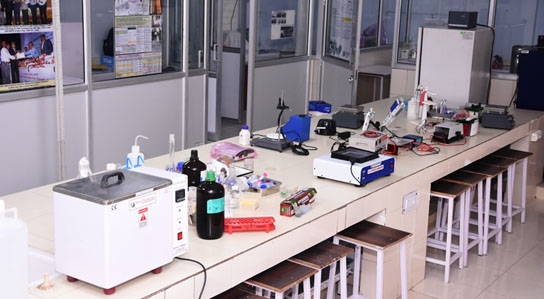
+"Centre for Cow Science and Research" is a research Centre dedicated to undertake 'Indigenous Cows Centric' basic, applied & adaptive research on all aspects of production, reproduction & amp; health care. We have committed to improvement, conservation and promotion of native germ-plasm of cows. We are also studying the molecular and genetic epidemiology of various infectious diseases like Johne's disease (JD), Brucellosis, Mastitis, Foot and Mouth disease, etc in cows and other ruminants. We are screening the animal population to identify the breeds and genetic lines of animals (dams and sires) resistant/ susceptible to diseases which help in conservation of the precious breeds and save them from extinction. We are also screening the human population for Mycobacterium avium subspecies paratuberculosis (MAP) infection suspected for Crohn's disease (CD) and other auto immune disorders like Diabetes, Arthritis, Thyroid disorder, etc. Our main focus is to reduce the animal and human infections by reducing the contamination of milk, water, pastures and environment.
Description of Instruments
BACTEC MGIT 320
Non-radiometric, fully automated system (annual capacity of 2,700 tubes) for the rapid detection of mycobacteria in clinical specimens, other than blood, as well as antimicrobial susceptibility testing of anti-tuberculosis drugs known as S.I.R.E., I.R., and PZA. The BD BACTEC™ MGIT™ automated mycobacterial detection system is a fully automated solution for mycobacterial liquid culture and susceptibility testing. The BD BACTEC MGIT 320 system is designed to help smaller-capacity laboratories quickly and accurately detect TB. The system automatically directs tube placement and indicates positives with both a visual and an audible signal as they occur.
MagCam DC-5
Magnus MagCam DC-5 5.1 MP Digital Camera with Eyepiece Tube Adapter is a premium quality product from Magnus. Moglix is a well-known ecommerce platform for qualitative range of Other Lab Supplies. All Magnus MagCam DC-5 5.1 MP Digital Camera with Eyepiece Tube Adapter are manufactured by using quality assured material and advanced techniques, which make them up to the standard in this highly challenging field.
Hematology analyzers
Hematology analyzers are used to count and identify blood cells at high speed and accuracy. Hematology analyzers are used to conduct a complete blood count (CBC), which is usually the first test requested by physicians to determine a patients general health status. A complete blood count includes red blood cell (RBC), white blood cell (WBC), hemoglobin, and platelet counts, as well as hematocrit levels. Other analyses include mean corpuscular hemoglobin, WBC differential count in percentage and absolute value, Platelet distribution width, large platelet cell ratio, and Platelet criteria.
Gel Documentation Systems from Bio-Rad
A gel doc, also known as a gel documentation system, gel image system or gel imager, refers to equipment widely used in molecular biology laboratories for the imaging and documentation of nucleic acid and protein suspended within polyacrylamide or agarose gels. These gels are typically stained with ethidium bromide or other nucleic acid stains such as Gel Green. Generally, a gel doc includes an ultraviolet (UV) light transilluminator, a hood or a darkroom to shield external light sources and protect the user from UV exposure, and a CMOS camera for image capturing. Bio-Rad offers a comprehensive range of imaging systems for the detection, quantization, and analysis of proteins and nucleic acids in gels and on membranes. These gel documentation systems have advanced software, providing rapid automated data acquisition, analysis, and validation.
Ultrasonic Shell Crusher Noise Isolating Chamber
Ultrasound cell disintegrator uses the dispersing effect of ultrasound in liquid to make the liquid produce cavitation’s, so as to break up solid particles or cell tissues in liquid.
Ultrasound cell disintegrator is a multi-functional and multi-purpose instrument which uses strong ultrasound to produce cavitation’s effect in liquid and to treat substances by ultrasound. It can be used to break up animal and plant tissues, cells, bacteria and spore bacteria. It can also be used for emulsification, separation, dispersion, homogenization, extraction, degassing, cleaning and acceleration. The machine is widely used in teaching, scientific research and production of biochemistry, microbiology, pharmaceutical chemistry, surface chemistry, physics, zoology, agriculture, medicine, pharmacy and other fields.
MJ Mini Thermal Cycler
The compact 48-well MJ Mini Thermal Cycler is a powerful, small-capacity, high-performance personal thermal cycler for conducting polymerase chain reaction (PCR) in the classroom. The MJ Mini cycler offers thermal gradient technology so you can optimize reactions for maximum efficiency and accurate quantitation.
Micro Plate Reader
A microplate reader is a laboratory instrument that is used to measure chemical, biological or physical reactions, properties and analytes within the well of a microplate. A microplate consists of small wells in which separated reactions take place. These reactions convert the presence of an analyte or the progression of biochemical processes into optical signals. The microplate reader detects these signals and thus quantifies the parameter of interest. A microplate reader can handle up to 3456 samples in minutes or even seconds. A plate reader helps to minimize operational time and to save reagent costs, allowing researchers to dedicate more time to data analysis and generation of actionable insights.
UV Transilluminator
A ultra-violet (UV) transilluminator is a standard piece of equipment used in life science laboratories for visualization of target DNAs and proteins. The UV transilluminator works by emitting high levels of UV radiation through the viewing surface. The key application for a UV transilluminator is for visualization of DNA and protein agarose and polyacrylamide gels after electrophoresis. Gels can be directly placed onto the UV transilluminator; wavelength will vary on your particular application.
Centrifuge
Centrifuge machine is electronic equipment used for the separation of components in a sample mixture, such as a mixture of suspended solids or two or more immiscible liquids. The equipment is fixed at the axis of rotation and centrifugal forces cause the samples to separate such that the denser materials are settled below the lighter ones. The sample is contained in conical or round tubes, often referred as the centrifuge tubes, and placed within the rotor, in a balancing position, and covered with a lid to prevent spillage, and any accidents or disasters. The rpm (rotation per minute), i.e. centrifugal speed, the duration of rotation, the temperature can be adjusted, based on the sample requirement.
Cooling Microfuge
Cooling Microfuge Model CM-12 is ideal for temperature sensitive samples and finds application for growing RIA (Radio Immune Assay demands), can be used for routine application in biochemical and clinical labs. For Hematocrit, Corpuscle Percentage contents in blood, serum analysis and precipitate separation also. Some features of cooling microfuge are digital speed indicator, Dynamic brake, Digital speed indicator, 0-99 minutes digital countdown timer and Digital Temperature controller cum indicator.
Vaccine Developed:
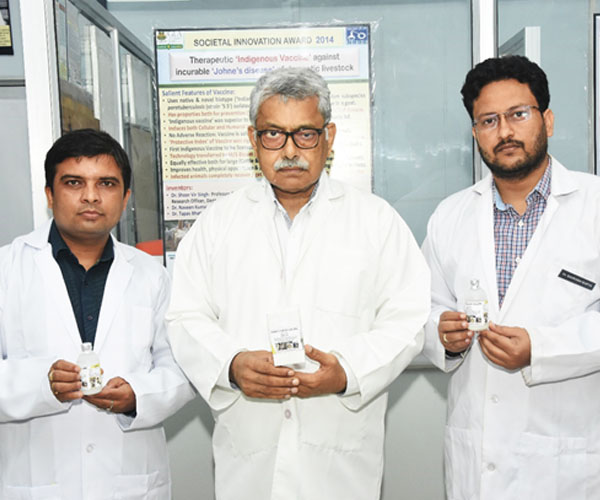
“Indigenous Johne’s Disease Vaccine” has been developed by Prof. Shoor Vir Singh (Former Principal Scientist and Head, Animal Health, Division, ICAR- Central Institute for Research on Goats, Makhdoom, Mathura) and his team (Dr. Saurabh Gupta and Dr. Kundan Kumar Chaubey) using goat origin strain of MAP ‘S5’ ‘Indian bison type’ for the control of pTB in domestic ruminants (Goat, sheep, cow, and buffaloes).
Projects Details:
| S. No. | Projects Title | Funding Agency | Duration | Amount (in Lakhs) |
Project Coordinator/Team |
Status |
|---|---|---|---|---|---|---|
| 1. |
Identification of key molecular factors involved in resistance/ susceptibility to paratuberculosis infection in indigenous breeds of cows. |
DBT | 2020-2023 | 96.2048 |
Co-ordinator and PI: |
Sanctioned |
| 2. |
Development of herbal formulation from medicinal plants ( Ocimum sanctum and Solanum xanthocarpum) for the therapeutic management of Mycobacterium avium subspecies paratuberculosis infection in domestic livestock |
DBT | 2020-2023 | 96.04 |
Co-ordinator and PI: CC-PI: Dr. Sayeed Ahmad, JAMIA Hamdard, New Delhi |
Sanctioned |
| 3. |
“Indigenous Johnin from native strain Indian Bison Type of Mycobacterium avium subsp. Paratubarculosis for the diagnosis of Johne’s disease in domestic livestock as the field test” |
NRDC | 2020-2021 | 2.00 |
Dr. S V Singh, Dr.Saurabh Gupta &Dr.Kundan Kumar Chaubey |
Sanctioned |
| 4. |
Optimization of core components integrated into the Indigenous ELISA kit for Mycobacterium avium subspecies paratuberculosis infection, safety, efficacy and performance of candidate. |
Internal Seed Grant, GLA University |
2018-2020 | 3.0 |
PI: Dr.Kundan Kumar Chaubey |
Sanctioned |
| 5. |
Estimation of bio-load of Mycobacterium avium subspecies paratuberculosis in the milk and milk products in the Braj Region using Microscopy. |
Internal Seed Grant, GLA University |
2018-2020 | 2.75 |
PI: Dr. Saurabh Gupta & |
Sanctioned |
| 6. |
Prevalence and characterization of Mycobacterium avium subspecies Paratuberculosis infection in domestic livestock population. |
Internal Seed Grant, GLA University |
2019-2021 | 12.5 |
PI: Dr.Kundan Kumar Chaubey |
Sanctioned |
| 7. |
Bio‐load’ and Bio‐type profiles of Mycobacterium avium subspecies paratuberculosis infection in the bovine population endemic for Johne's Disease using Real time assays. |
Internal Seed Grant, GLA University |
2019-2021 | 14.60 |
PI: Dr. Saurabh Gupta |
Sanctioned |
Publications Details:
- Kumar, S., Kumar, S., Singh, R.V., Chauhan, A., Kumar, A., Bharati, J. and Singh, S.V., 2020. Association of genetic variability in CD209 gene with bovine paratuberculosis disease: a case–control study in the Indian cattle population. Animal Biotechnology, pp.1-8. SCI Impact factor 1.487.
- Kumar, S., Kumar, S., Singh, R.V., Chauhan, A., Kumar, A., Sulabh, S., Bharati, J. and Singh, S.V., 2019. Genetic association of polymorphisms in bovine TLR2 and TLR4 genes with Mycobacterium avium subspecies paratuberculosis infection in Indian cattle population. Veterinary research communications, 43(2), pp.105-114. SCI Impact factor 2.459
- Singh, M., Gupta, S., Chaubey, K.K., Singh, P.K., Khandelwal, V., Choudhary, P., Pant, G., Singh, S.V. and Sohal, J.S., 2020. BIO-safety of milk products and mycobacterium avium subspecies paratuberculosis as major microbial contaminant using multiple tests including culture and sybr green real-time assay. Journal of Experimental Biology and Agricultural Sciences, 8(4), pp.508-523. (SCOPUS)
- Gupta, S., Singh, S.V., Singh, M., Chaubey, K.K., Karthik, K., Bhatia, A.K., Kumar, N. and Dhama, K., 2019. Vaccine approaches for the 'therapeutic management' of Mycobacterium avium subspecies paratuberculosis infection in domestic livestock. Veterinary Quarterly, 39(1), pp.143-152. SCI Impact Factor 2.235
- Chaubey, K.K., Singh, S.V. and Bhatia, A.K., 2018. Evaluation of ‘Recombinant secretary antigens’ based ‘Cocktail ELISA’ for the diagnosis of Johne's disease and to differentiate non-infected, infected and vaccinated goats in combination with indigenous ELISA test. Small Ruminant Research, 165, pp.24-29. SCI Impact Factor 2.235
- Hemati, Z., Derakhshandeh, A., Haghkhah, M., Chaubey, K.K., Gupta, S., Singh, M., Singh, S.V. and Dhama, K., 2019. Mammalian cell entry operons; novel and major subset candidates for diagnostics with special reference to Mycobacterium avium subspecies paratuberculosis infection. Veterinary Quarterly, 39(1), pp.65-75. SCI Impact Factor 2.235
- Hemati, Z., Haghkhah, M., Derakhshandeh, A., Chaubey, K.K. and Singh, S.V., 2020. Novel recombinant Mce-truncated protein-based ELISA for the diagnosis of Mycobacterium avium subsp. paratuberculosis infection in domestic livestock. PloS one, 15(6), p.e0233695. SCI Impact Factor 3.240
- Hemati, Z., Haghkhah, M., Derakhshandeh, A., Singh, S. and Chaubey, K.K., 2018. Cloning and characterization of MAP2191 gene, a mammalian cell entry antigen of Mycobacterium avium subspecies paratuberculosis. Molecular Biology Research Communications, 7(4), p.165. ( SCOPUS)
- Khandelwal, V., Choudhary, P.K., Goel, A., Bhatia, A.K., Gururaj, K., Gupta, S. and Singh, S.V., 2018. Immunomodulatory activity of Neolamarckiacadamba (Roxb.) Bosser with reference to IL-2 induction. ( SCOPUS)
- Biswal, S., Rath, A.P., Singh, S.V., Sahoo, N., Gupta, S., Singh, M. and Chaubey, K.K., 2020. Detection of Mycobacterium avium subsp. paratuberculosis (MAP) from subclinical caprine paratuberculosis cases of Odisha. Indian Journal of Animal Research, 54(6), pp.709-715. SCI Impact Factor 0.395
- Chaubey, Kundan & Singh, Shoor & Bhatia, Ashok. (2018). Evaluation of ‘Recombinant secretary antigens’ based ‘Cocktail ELISA’ for the diagnosis of Johne's disease and to differentiate non-infected, infected and vaccinated goats in combination with indigenous ELISA test. Small Ruminant Research. 165. 10.1016/j.smallrumres.2018.06.005. SCI Impact Factor 1.611
- Chaubey, K.K., Singh, S.V., Singh, P.K., Gupta, S., Khandelwal, V., Choudhary, P.K., Pant, G., Jayaraman, S. and Rawat, K.D., 2020. Detection of anti-Mycobacterium avium subspecies paratuberculosis antibodies in thyroid and type-1 diabetes patients. Indian Journal of Biotechnology Vol. 19, January 2020, pp 49-52. SCI Impact Factor 0.414
- Chaubey, K.K., Gangwar, N., Pawaiya, R.S., Jatav, G.P., Sohal, J.S., Singh, S.V., Singh, M., Gupta, S., Kumaresan, G., Kumar, N. and Jayaraman, S., 2019. Evaluation of newly developed ‘six recombinant secretary proteins based ‘cocktail ELISA’ and ‘whole cell lysate’ based ‘indigenous ELISA and tissue microscopy’ with ‘Gold standard’ histo-pathology for the diagnosis of Johne’s disease in slaughtered goats and buffaloes. Comparative immunology, microbiology and infectious diseases, 66, p.101338. SCI Impact Factor 2.268
- Singh, M., Gupta, S., Chaubey, K.K., Singh, S.V. and Sohal, J.S., 2019. Profiling of Mycobacterium avium subspecies paratuberculosis in the milk of lactating goats using antigen-antibody based assays. Comparative immunology, microbiology and infectious diseases, 64, pp.53-60. SCI Impact Factor 0.29
- Kumar, N., Khandelwal, N., Kumar, R., Chander, Y., Rawat, K.D., Chaubey, K.K., Sharma, S., Singh, S.V., Riyesh, T., Tripathi, B.N. and Barua, S., 2019. Inhibitor of sarco/endoplasmic reticulum calcium-ATPase impairs multiple steps of paramyxovirus replication . Frontiers in microbiology, 10, p.209. SCI Impact Factor 4.235
- Khandelwal, V., Choudhary, P.K., Goel, A., Bhatia, A.K., Pant, G., Chaubey, K.K., Gupta, S. and Singh, S.V., 2019. Cytokines modulating potential of Neolamarckiacadamba (Roxb.) Bosser . Indian J Tradit Know. 2019; 18 (1): 88-93. SCI Impact Factor 0.757
- Bhat, A.M., Malik, H.U., Wani, N.M., Paul, S., Gupta, S., Dolma, T. and Singh, S.V., 2019. First report of Cryptosporidium sp. infection in sheep population of Ladakh, India. Journal of Parasitic Diseases, 43(3), pp.513-516. ( SCOPUS)
- Gupta, S., Singh, S.V., Singh, M., Chaubey, K.K., Karthik, K., Bhatia, A.K., Kumar, N. and Dhama, K., 2019. Vaccine approaches for the' therapeutic management of Mycobacterium avium subspecies paratuberculosis infection in domestic livestock. Veterinary Quarterly, 39(1), pp.143-152. SCI Impact Factor 2.235
- Pant, G., Garlapati, D., Gaur, A., Hossain, K., Singh, S.V. and Gupta, A.K., 2020. Air quality assessment among populous sites of major metropolitan cities in India during COVID-19 pandemic confinement. Environmental Science and Pollution Research, 27(35), pp.44629-44636. SCI Impact Factor 4.223
- Jatav, G.P., Sikrodiya, R., Jayraw, A.K., Karmore, S.K., Singh, S., Chabbra, D., Shrivastava, N., Agrawal, V. and Shukla, S., 2020. Diagnosis of Mycobacterium avium subsp. Paratuberculosis by dot-ELISA in buffaloes of Malwa region (Madhya Pradesh, India). Buffalo Bulletin, 39(3), pp.279-284. SCI Impact Factor 0.18
- Chaubey, K.K., Abdullah, M., Gupta, S., Navabharath, M. and Singh, S.V., 2021. Mycobacterium Biofilms Synthesis, Ultrastructure, and Their Perspectives in Drug Tolerance, Environment, and Medicine. In Microbial Polymers (pp. 465-478). ( SCOPUS)
- Gupta, S., Chaubey, K.K., Khandelwal, V., Sharma, T. and Singh, S.V., 2021. Genetic Engineering Approaches for High-End Application of Biopolymers: Advances and Future Prospects. In Microbial Polymers (pp. 619-630). Springer, Singapore. ( SCOPUS)
- Chaubey, K.K., Singh, S.V. and Bhatia, A.K., 2018. Evaluation of ‘Recombinant secretary antigens’ based ‘Cocktail ELISA’ for the diagnosis of Johne's disease and to differentiate non-infected, infected and vaccinated goats in combination with indigenous ELISA test. Small Ruminant Research, 165, pp.24-29. SCI Impact Factor 1.69
- Mohinani, T, Saxena, A, and Singh, S.V., 2021. In Silico Vaccine Designing Targeting the Virulence Factors of mce Operon of Mycobacterium avium subsp. ParatuberculosisCurrent Proteomics, 2021, 18, 1-0. SCI Impact Factor 0.837
- Kusuma DS, Singh SV, Singh AV, Chauhan DS, 2021. Miscellaneous Paths induced by Mycobacterium Tuberculosis for its Reactivation and Dissemination from the Freckled Site. GranulomaInternational Journal of Science, Engineering and Management (IJSEM) Vol 6, Issue 3, March 2021, page 18-25. SCI Impact Factor 2.7
- Parmar, J.K., Chaubey, K.K., Gupta, V. and Bharath, M.N., 2021. Assessment of various veterinary drug residues in animal originated food products . Veterinary World, 14(6), p.1650. ( SCOPUS)
- Gupta, S., Chaubey, K.K., Khandelwal, V., Sharma, T. and Singh, S.V., 2021. Datura Stramonium: An Overview of Its Antioxidant System for Plant Benefits. Antioxidants in Plant-Microbe Interaction, pp.461-468. ( SCOPUS)
- Rawat, K.D., Chaubey, K.K., Datten, B., Gupta, S. and Singh, S.V., 2021. Prominence of Antioxidant Potential of Plants and Its Induction by Interaction with Microorganisms. In Antioxidants in Plant-Microbe Interaction (pp. 551-564). ( SCOPUS)
- Sharma, T., Khandelwal, V., Gupta, S. and Singh, S., 2021. Secondary Metabolites, Boon for Plants; Their Role in Defence Mechanism and Antioxidant Activity of Anthocephalus cadamba. In Antioxidants in Plant-Microbe Interaction (pp. 413-424). ( SCOPUS)
- Sharma, K., Chaturvedi, U., Sharma, S. and Vaishnav, A., 2021. Fenugreek-Rhizobium Symbiosis and Flavonoids Under Stress Condition . In Antioxidants in Plant-Microbe Interaction (pp. 449-459). (SCOPUS)
Faculty in-charge
Dr. Shoorvir Singh
Prof & Head,
Department of Biotechnology,
Institute of Applied Science & Humanities,
GLA University, Mathura
Email: shoorivir.singh@gla.ac.in
Dr. Kundan Kumar Chubey
Assistant Professor-Research
Department of Biotechnology,
Institute of Applied Science & Humanities,
GLA University, Mathura
Email: kundan.chaubey@gla.ac.in
IPR Sophisticated Analytical Instrument Facility
+Creation of IPR Research Centre is an endeavour of GLA University, Mathura to provide research facilities to the institution, organization and small-scale industries of the region. GLA University also has Ph.D. Research Centre. It has Broad range of state-of-the-art laboratory with sophisticated instruments viz. HPLC, FTIR, Brookfield’s Viscometer, Phase Contrast Microscope and many more under one roof. IPR Research Centre strives for excellence in quality standards and aims at providing quality services with confidentiality, integrity & reliability. Here, we are committed to inculcate the right attitude and spirit to satisfy our customers through continual research and adopting the set techniques to train budding pharmaceutical analysts.
IPR Research Centre renders various services and intellectual input including analytical method development & validation, formulation development & its characterization to a wide range of users of the Universities, institutions and industries on payment basis.
We offer Facilities for accurate, prompt and cost-effective analysis & testing like,
- Pre-formulation studies
- Solubility studies
- Drug excipient compatibility/interaction by FTIR
- Process validation
- Estimation of synthetic drugs by UV and HPLC
- Phytochemical studies
- Pharmacogenetic studies
- Formulation development of Solid, liquid and semisolid dosage forms.
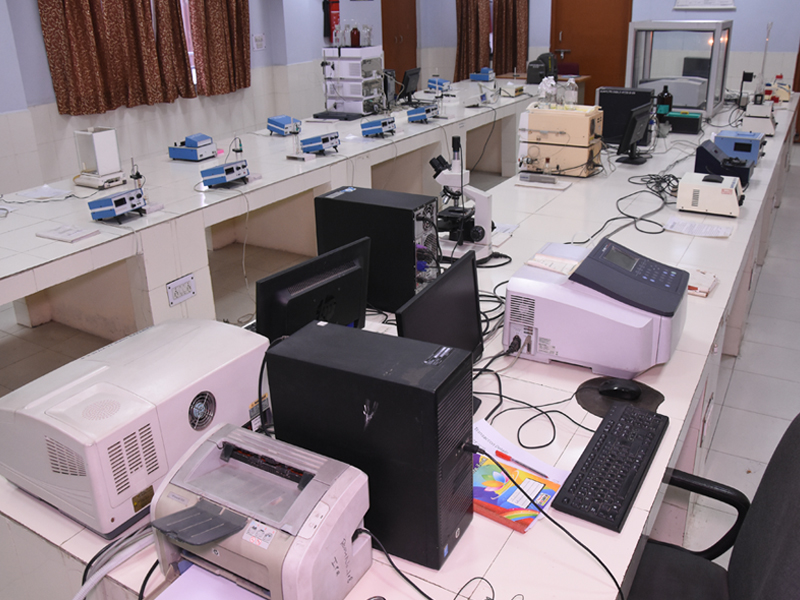
Instruments Details
| S.No. | Instrument | Make of Instrument |
Sample quantity | Charges (in Rs./sample) |
|---|---|---|---|---|
| 1 | UV-Visible spectrophotometer | Analytical make, UK |
100 mg | 100 + 18% Service tax |
| 2 | FTIR | IR Affinity- 1, Shimadzu USA |
10 mg | 120 + 18% Service tax |
| 3 | Brookfield viscometer | Brookfield LV, DV-E Viscometer |
50 mL | 100 + 18% Service tax |
| 4 | HPLC | Agilent | 100 mg | Acetonitrile = 2000 per run Methanol = 1000 per run Water = 500 per run + 18% Service tax |
| 5 | Phase Contrast Microscope | Metzer | 1-2 g | 150 + 18% Service tax |
| 6 | Probe So nicator | Vibra cell Ultra So nicator | 50 mL | 500 + 18% Service tax |
| 7 | Microtome | HICON | 1-2 g | 100 + 18% Service tax |
| 8 | Lyophilizer (Freez Dryer) | BIOGEN SCIENTIFIC | Less than 5 mL More than 5mL |
700 + 18% Service tax 1000 + 18% Service tax |
Note: No GST for academic institutions.
We also offer services for formulation and evaluation of various dosage forms for the APIs as per IP/USP and Computational work.
Publication details
- Semwal, B.C. and Garabadu, D., 2020. 5-N-ethyl Carboxamidoadenosine Stimulates Adenosine-2b Receptor-Mediated Mitogen-Activated Protein Kinase Pathway to Improve Brain Mitochondrial Function in Amyloid Beta-Induced Cognitive Deficit Mice. Neuro Molecular Medicine, (2020), 22(4), pp.542-556. SCI Impact factor- 3.843
- Jain, R., Mujwar, S. Repurposing metocurine as main protease inhibitor to develop novel antiviral therapy for COVID-19. Struct Chem 31, (2020), 2487–2499 (2020). SCI Impact Factor- 1.887
- Sonia Singh, Meenakshi Bajpai, Pradeep Mishra, Carissa carandas L. – phyto-pharmacological review, Journal of Pharmacy and Pharmacology,(2020), Volume 72, Issue 12, December 2020, Pages 1694–1714, SCI Impact factor-3.765
- Garg, A., Tomar, D.S., Bhalala, K. &Wahajuddin, M. 2020, "Development and investigation of Artemether loaded binary solid lipid nanoparticles: Physicochemical characterization and in-situ single-pass intestinal permeability", Journal of Drug Delivery Science and Technology, vol. 60. SCI Impact factor -3.891
- Bahadur S, Pardhi DM, Rautio J, Rosenholm JM, Pathak K. Intranasal Nanoemulsions for Direct Nose-to-Brain Delivery of Actives for CNS Disorders. Pharmaceutics.2020; 12(12):1230. SCIE Impact factor- 6.321
- Gupta, J.K., Shah, K. & Mishra, P. 2020, "Inadmissible planktons in potable water: a potential risk for human health", Current science (2020), vol. 119, no. 10, pp. 1627-1632. (SCOPUS)
- Sharma Y, Garabadu D. Ruthenium red, mitochondrial calcium uniporter inhibitor, attenuates cognitive deficits in STZ-ICV challenged experimental animals. Brain Res Bull, 2020 Nov; 164:121-135. doi: 10.1016/j.brainresbull.2020.08.020. Epub 2020 Aug 25. PMID: 32858127. SCI Impact factor -4.077.
- Bansal, K. & Bajpai, M. 2020, "Formulation and evaluation of phaneravariegata Linn. Mucilage as a pharmaceutical binder in solid dosage form", Indian Journal of Pharmaceutical Education and Research, vol. 54, no. 4, pp. 971-982. SCIE Impact Factor- 0.501
- Mujwar S, Kumar V. Computational Drug Repurposing Approach to Identify Potential Fatty Acid-Binding Protein-4 Inhibitors to Develop Novel Antiobesity Therapy. Assay Drug Dev Technol. 2020 Oct; 18(7):318-327. doi: 10.1089/adt.2020.976. Epub 2020 Aug 14. PMID: 32799554. SCI Impact Factor- 1.738
- Shah, K., Mujwar, S., Krishna, G. and Gupta, J.K., 2020. Computational Design and Biological Depiction of Novel Naproxen Derivative. ASSAY and Drug Development Technologies, SCI18 (7), pp.308-317. SCI Impact Factor- 1.738
- Kumar, G.J., 2020. An insight into the sars-cov-2: Use of zinc ionophores-a blockbuster approach. Research Journal of Chemistry and Environment, (2020), pp.205-213.
- Harwansh, R.K. and Deshmukh, R., 2020. Breast cancer: An insight into its inflammatory, molecular, pathological and targeted facets with update on investigational drugs. Critical Reviews in Oncology/Hematology, 154, p.103070. (SCOPUS)
- Hafeez, A., Maurya, A., Singh, J., Mittal, A. and Rana, L., 2013. An overview on floating microsphere: gastro retention floating drug delivery system (FDDS). The Journal of Phytopharmacology, 2(3), pp.1-12. (SCOPUS)
- Sharma, Y. and Garabadu, D., 2020. Intracerebroventricular streptozotocin administration impairs mitochondrial calcium homeostasis and bioenergetics in memory-sensitive rat brain regions. Experimental Brain Research,238(10), pp.2293-2306. (SCOPUS)
- Chaturvedi, S., & Alim, M. (2020). Formulation and evaluation solid dispersion based fast dispersible tablets of domperidone. International Journal of Pharmaceutical Research, 12(4), 91-100. doi:10.31838/ijpr/2020.12.04.019. (SCOPUS)
- Bahadur, S., Harwansh, R. K., & Kumar, P. (2020). Medicinal plants used in herbal cosmetics with special reference to anti-dandruff. International Journal of Pharmaceutical Research, 12(4), 188-197. doi:10.31838/ijpr/2020.12.04.028. (SCOPUS)
- Chaturvedi, S., Garg, A. and Verma, A., 2020. Nano lipid-based carriers for lymphatic voyage of anti-cancer drugs: An insight into the in-vitro, ex-vivo, in-situ and in-vivo study models. Journal of Drug Delivery Science and Technology, p.101899. (SCOPUS)
- Goyal, A. and Garabadu, D., 2020. Vinpocetine facilitates the anti-amnesic activity of estrogen-receptor alpha agonist in bilateral ovariectomy-challenged animals. Behavioural Brain Research, 393, p.112789. (SCOPUS)
- Pathak, S., & Mishra, P. (2020). A review on analytical methods of dapagliflozin: An updat. International Journal of Pharmaceutical Quality Assurance, 11(3), 355-360. (SCOPUS)
- Dubey, R. K., &Dewangan, H. K. (2020). Rational design and characterization of transdermal patch of irbesartan for hypertension. Indian Journal of Pharmaceutical Education and Research 54 (3), S464-S472. SCIE Impact Factor- 0.501.
- Singh, N. K., & Gupta, J. K. (2020). A contemporary study on recommending outline of antiepileptic drugs. International Journal of Pharmaceutical Research, 12(3), 350-355. doi:10.31838/ijpr/2020.12.03.053. (SCOPUS)
- Dewangan, H.K., Singh, S.H.U.B.H.A.M., Mishra, R.O.H.I.T. and Dubey, R.K., 2020. A review on application of nanoadjuvant as delivery system. International Journal of Applied Pharmaceutics, 12(4), pp.24-33. (SCOPUS)
- Mishra, R. 2020, "A retrospect on clinical trials and current status of schedule y in India", International Journal of Pharmaceutical Research, vol. 12, no. 3, pp. 234-239. (SCOPUS)
- Shrivastava, A., Goyal, M.K. & Gupta, J.K. 2020, "Epileptogenic drugs and seizures: A comprehensive review of current knowledge", International Journal of Pharmaceutical Research, vol. 12, pp. 4-11. (SCOPUS)
- Semwal, B., Singh, S. & Yadav, H. 2020, "Possible involvement of heme oxygenase-1 in attenuation of diabetes mellitus induced vascular endothelial dysfunction in rodents", International Journal of Pharmaceutical Research, vol. 12, no. 3, pp. 322-330.(SCOPUS)
- Rohilla, R., Goyal, A., Varshney, V., Semwal, B.C. & Yadav, H.N. 2020, "Role of heme oxygenase-1(Ho-1) and endothelin-1 (et-1) in modulation of cardioprotective effect of ischemic postconditioning in diabetic rat heart", Indian Journal of Pharmaceutical Education and Research, vol. 54, no. 3, pp. 690-697. SCIE Impact Factor- 0.501
- Vivek, K., Somdutt, M. & Kamal, S. 2020, "The expanding role of Nuclear Medicine in contemporary drug design and development", Research Journal of Chemistry and Environment, vol. 24, no. 6, pp. 166-172. Impact Factor- 0.245
- Dewangan, H.K. 2020, "Rational application of nanoadjuvant for mucosal vaccine delivery system", Journal of immunological methods, vol. 481-482. (SCOPUS)
- Garabadu, D. and Agrawal, N., 2020. Naringin exhibits neuroprotection against rotenone-induced neurotoxicity in experimental rodents. Neuromolecular medicine, 22(2), pp.314-330. SCIE Impact Factor- 2.629
- Reena, G. and Jitendra, G., 2020. Chromatographic fingerprint analysis of piperine in polyherbal and marketed formulation by HPTLC and GC-MS methods. Current Trends in Biotechnology & Pharmacy, 14(2). (SCOPUS)
- Tiwari, A., Saraf, S., Jain, A., Panda, P.K., Verma, A. and Jain, S.K., 2020. Basics to advances in nanotherapy of colorectal cancer. Drug delivery and translational research, 10(2), pp.319-338. SCI Impact Factor- 4.617
- Alharbi, K.S., Al-Abbasi, F.A., Agrawal, G.P., Sharma, A., Kowti, R. and Kazmi, I., 2020. Impact of COVID-19 on nephrology patients: a mechanistic outlook for pathogenesis of acute kidney injury. Altern Ther Health Med., 26(S2), pp.66-71. SCI Impact Factor-0.937
- Deshmukh, R., Kumari, S. and Harwansh, R.K., 2020. Inflammatory Bowel Disease: A Snapshot of Current Knowledge. Research Journal of Pharmacy and Technology, 13(2), pp.956-962. SCPOUS
- Agrawal, N., 2020. Pharmacophore modeling and 3D-QSAR studies of 2, 4-disubstituted pyrimidine derivatives as Janus kinase 3 inhibitors. Journal of Theoretical and Computational Chemistry, 19(01), p.2050001. SCI Impact Factor- 0.848
- Deshmukh, R., Harwansh, R.K., Paul, S.D. and Shukla, R., 2020. Controlled release of sulfasalazine loaded amidated pectin microparticles through Eudragit S 100 coated capsule for management of inflammatory bowel disease. Journal of Drug Delivery Science and Technology, 55, p.101495. SCIE Impact Factor- 3.981
- Chaturvedi, S. and Mishra, R., 2020. Insight into Delivery Approaches for Biopharmaceutics Classification System Class II and IV Drugs. Drug Delivery Letters, 10(4), pp.255-277. (SCOPUS) Impact Factor- 0.61
- Deshmukh, R., 2020. Bridging the Gap of Drug Delivery in Colon Cancer: The Role of Chitosan and Pectin Based Nanocarriers System. Current Drug Delivery, 17(10), pp.911-924.(SCOPUS) Impact Factor-2.565
- Kamal, S., Gayatri, D., Chandra, S.B. &Debapriya, G. 2020, "Diabetic nephropathy: review on molecular signaling pathways", Research Journal of Biotechnology, vol. 15, no. 3, pp. 141-147.(SCOPUS)
- Murti, Y. and Mishra, P., 2020. Synthesis, characterization, and biological evaluation of novel naringenin derivatives as anticancer agents. Current Bioactive Compounds, 16(4), pp.442-448. (SCOPUS)
- Agrawal, N., Upadhyay, P.K., Mujwar, S. and Mishra, P., 2020. Analgesic, anti-inflammatory activity and docking study of 2-(substituted phenyl)-3-(naphthalen-1-yl) thiazolidin-4-ones. Journal of the indian chemical society, 97(1), pp.39-46. (SCOPUS)
- Goyal, A. and Garabadu, D., 2020. Bilateral Ovariectomy Decreases the Levels of Cyclic Nucleotides and Nuclear Phosphorylated Estrogen Receptor-Alpha in Memory-Sensitive Rat Brain Regions. Indian Journal of Pharmaceutical Education and Research, 54(1), pp.125-134. SCIE Impact Factor- 0.501
- Goyal, A. and Garabadu, D., 2020. Sildenafil promotes the anti-amnesic activity of estrogen receptor alpha agonist in animals with estrogen insufficiency. Neurochemistry international, 132, p.104609. SCI Impact Factor- 3.921
- Jain, A., Tiwari, A., Verma, A., Saraf, S. and Jain, S.K., 2020. Combination cancer therapy using multifunctional liposomes. Critical Reviews™ in Therapeutic Drug Carrier Systems, 37(2). SCI Impact Factor- 4.889
- Agrawal, G.P., Maheshwari, R.K. and Mishra, P., 2020. Validation of Ultra Performance Liquid Chromatography-Tandem Mass Spectrometry Coupled with Electrospray Ionization Method for Quantitative Determination of Ornidazole in Solid Dispersion. Current Pharmaceutical Analysis, 16(5), pp.487-493.(SCOPUS)
- Harwansh, R.K., Bahadur, S., Deshmukh, R. and Rahman, M.A., 2020. Exciting potential of nanoparticlized lipidic system for effective treatment of breast cancer and clinical updates: a translational prospective. Current pharmaceutical design, 26(11), pp.1191-1205.(SCOPUS)
- Jeswani, G., Paul, S.D. and Deshmukh, R., 2021. Design of vincristine sulfate loaded poloxamer in situ nanogel: Formulation and in vitro evaluation. Journal of Drug Delivery Science and Technology, 61, p.102246.SCI Impact Factor: 3.981
- Mishra, R., Kumar, N., Mishra, I. and Sachan, N., 2020. A Review on Anticancer Activities of Thiophene and Its Analogs. Mini Reviews in Medicinal Chemistry, 20(19), pp.1944-1965.(SCOPUS)
- Chaturvedi, S., Verma, A. and Saharan, V.A., 2020. Lipid Drug Carriers for Cancer Therapeutics: An Insight into Lymphatic Targeting, P-gp, CYP3A4 Modulation and Bioavailability Enhancement. Advanced Pharmaceutical Bulletin, 10(4), p.524.(SCOPUS)
- Shakya, A., Chaudary, S.K., Garabadu, D., Bhat, H.R., Kakoti, B.B. and Ghosh, S.K., 2020. A Comprehensive Review on Preclinical Diabetic Models. Current diabetes reviews, 16(2), pp.104-116.(SCOPUS)
- Bahadur, S., Sachan, N., Harwansh, R.K. and Deshmukh, R., 2020. Nanoparticlized System: Promising Approach for the Management of Alzheimer’s Disease through Intranasal Delivery. Current pharmaceutical design, 26(12), pp.1331-1344.(SCOPUS)
- Sharma, K.K., Singh, B., Mujwar, S. and Bisen, P.S., 2020. Molecular Docking Based Analysis to Elucidate the DNA Topoisomerase IIβ as the Potential Target for the Ganoderic Acid; A Natural Therapeutic Agent in Cancer Therapy. Current computer-aided drug design, 16(2), pp.176-189. (SCOPUS)
- Patel, A.K., Mishra, M.K., Gupta, J., Ghoshal, S., Gupta, R. and Kushwaha, K., 2021. Guar Gum-Based Floating Microspheres of Repaglinide Using 32 Factorial Design: Fabrication, Optimization, Characterization, and In Vivo Buoyancy Behavior in Albino Rats. ASSAY and Drug Development Technologies, 19(2), pp.63-74.SCI
- Rohilla, R., Goyal, A., Varshney, V., Semwal, B.C. and Yadav, H.N., 2020. Role of Heme Oxygenase-1 (HO-1) and Endothelin-1 (ET-1) in Modulation of Cardioprotective Effect of Ischemic Postconditioning in Diabetic Rat Heart. Indian Journal of Pharmaceutical Education and Research, 54(3), pp.690-697.SCI Impact Factor- 0.501
Project details
Ph. D. Thesis/Dissertation
| S.No. | Name of Supervisor | Title of the Thesis/Dissertation |
|---|---|---|
| Session 2020 |
Dr. Debapriya Garabadu Dr. Debapriya Garabadu Dr. Debapriya Garabadu |
Pharmacological Evaluation of Phosphodiesterase Inhibitors Pharmacological Evaluation of Glutamatergic Drugs Against Evaluation of Potential Role of Adenosine Receptor in |
| Session 2019 |
Prof. Pradeep Mishra Prof. Pradeep Mishra Prof. Pradeep Mishra |
Development and Evaluation of Dosage Syntheses and Biological Evaluation of Some Evaluation of Some Novel Synthesized Flavanones |
| Session 2018 | Prof. Pradeep Mishra | Synthesis and Biological Evaluation of some Subssttituted 1,3,4-Oxadiazoles |
| Session 2017 | Prof. Pradeep Mishra | Synthesis & Pharmacological Evaluation of Some Novel Triazoles |
M Pharma: Pharmacology
| S.No. | Supervisor | Title |
|---|---|---|
| Session 2014-16 |
Mr. Bhupesh C Semwal Mr. Bhupesh Chander Semwal Dr. Debapriya Garabadu Dr. Debapriya Garabadu Mr. Bhupesh Chander Semwal Mr. Bhupesh Chander Semwal Dr. Debapriya Garabadu Dr. Debapriya Garabadu Dr. Debapriya Garabadu Mr. Bhupesh C Semwal Mr. Jeetendra Kumar Gupta Mr. Jeetendra Kumar Gupta Dr. Debapriya Garabadu Mr. Debapriya Garabadu Mr. Jeetendra Kumar Gupta Mr. Jeetendra Kumar Gupta |
Role of testosterone induced cardioprotection Implication of endothelin-1 in experimental Pharmacological evaluation of bicuculline sensitive gamma Pharmacological Evaluation of Eugenol on the Process Role of erythropoietin induced post conditioning Anti-Arthritic Activity of Ethanolic Pharmacological evaluation of calotropis Evaluation of pharmacological significance of ang (1-7) Evaluation of Pharmacological Significance of Brain Evaluation of Anti-Asthmatic Activity of Aloe barbadensis (Liliaceae) Leaves Possible involvement of citicoline in hyperhomocysteinemia Evaluation of Same and Proanthocyanidin Comparative Pharmacological Evaluation of Metformin, Pharmacological Evaluation of Manilkara hexandra Role of heart renin angiotensin system in abrogated Role of atrial natriuretic peptide in ischemic |
| Session 2016-18 |
Dr. J. K. Gupta Dr. Debapriye Garbadu Mr. Bhupesh Chander Mr. Bhupesh Chander Dr. Debapriye Garbadu |
Modulation of Epiliptogenic Pathway in Rat Evaluation of Pharmalogical Significance Evaluation of Anti-Arthritic Activity Evaluation of Anti-Asthmatic Activity Evaluation of Pharmacological Significance |
| Session 2016-18 |
Dr. Debapriya Garabadu Dr. Debapriya Garabadu Dr. Debapriya Garabadu Dr. Jitendra Kumar Gupta Dr. Jitendra Kumar Gupta Dr. Debpriya Garbadu Dr. Debpriya Garbadu Dr. Debapriya Garbadu Dr. Debapriya Garbadu Dr. Debapriya Garbadu Dr. Debapriya Garbadu Mr. Bhupesh Chander Semwal Dr. Jitendra Kumar Gupta |
Evaluation of Pharmacological Significance Evaluation of Pharmacological Significance Evaluation of Pharmacological Significance Reporposing of Selective Serotonin Reuptake In-Silco and In Vivo Evaluation of Some Phyto Evaluation of Pharmalogical Significance Evaluation of Renoprotective Activity Evaluation of Pharmacological Activity Evaluation of Neuropreotective Activity Evaluation of Pharmacological Significance Evaluation of Neuroprotective Activity of Silibinin Evaluation of Anti Arthritic Activity Cardio Protective Evaluation of Coenzyme Q10 and |
| Session 2018-20 |
Dr. Jitendra Kumar Gupta MR. Bhupesh Semwal Dr.DebapriyaGarbadu Mr. Bhupesh Semwal Dr. Jitendra Kumar Gupta Dr. Debapriya Garbadu Dr. Debapriya Garbadu Dr. Debapriya Garbadu Dr. Debapriya Garbadu Dr. Debapriya Garbadu |
Involvement of L-Citrulline in Hypothyroidism Evalution of Anti- Inflammatory Activity Evaluation of Neuroprotective Activity Evaluation of Gastro protective Activity Evaluation of Neuroprotective Activity Evaluation of Silibinin Against Evaluation of withanolide Against Evaluation of Nrf2-Mediated Mechanism Evaluation of Pharmacological Significance of Ryanodine Receptor Evaluation of Silibinin Against Mycobacterium Avium |
Faculty in-charge
Dr.Kamal Shah
Associate Professor
Institute of Pharmaceutical Research
GLA University, Mathura
Mob: +91-9756866042
Email: Kamal.shah@gla.ac.in
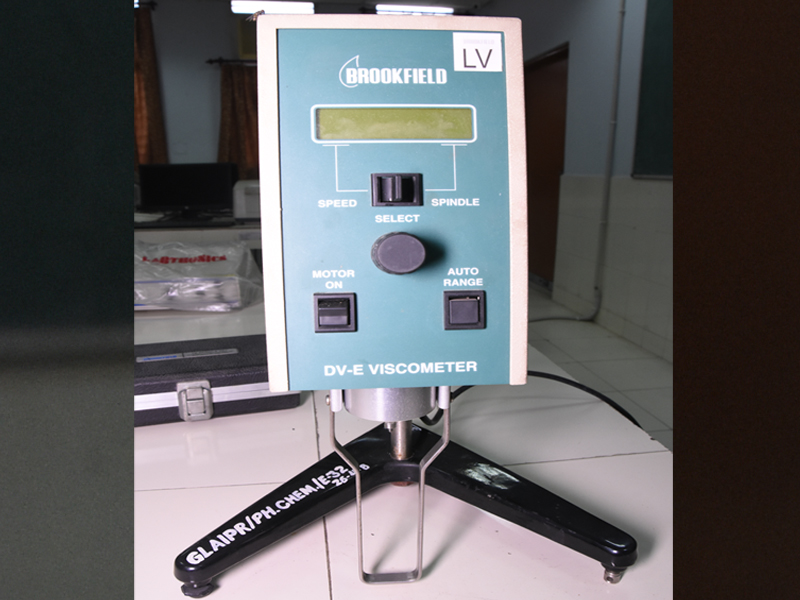
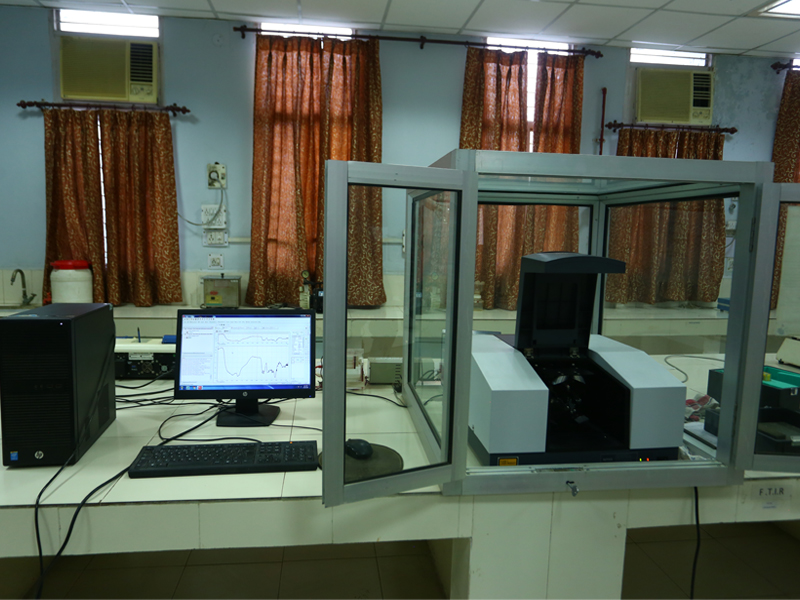
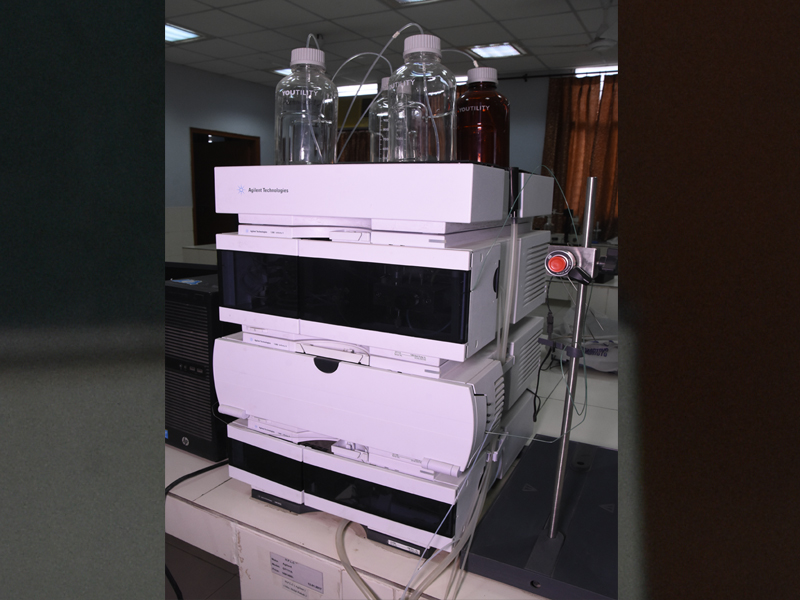
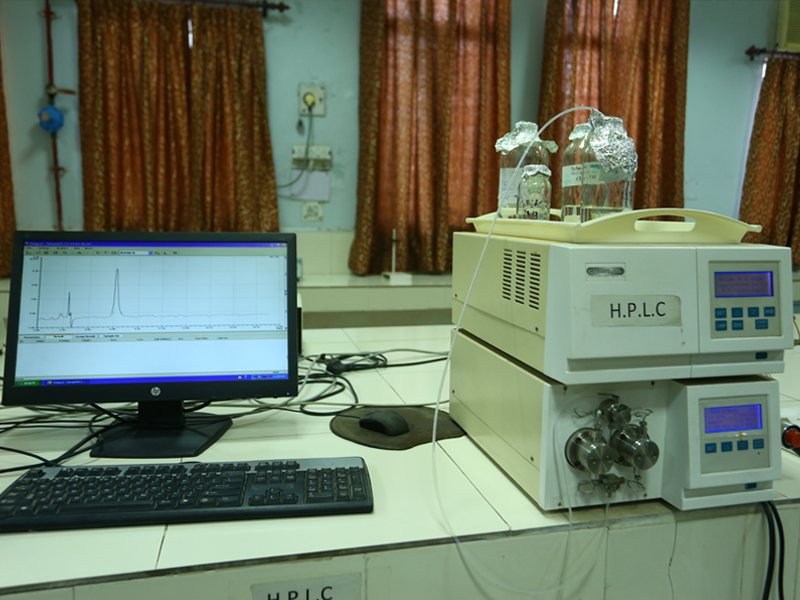
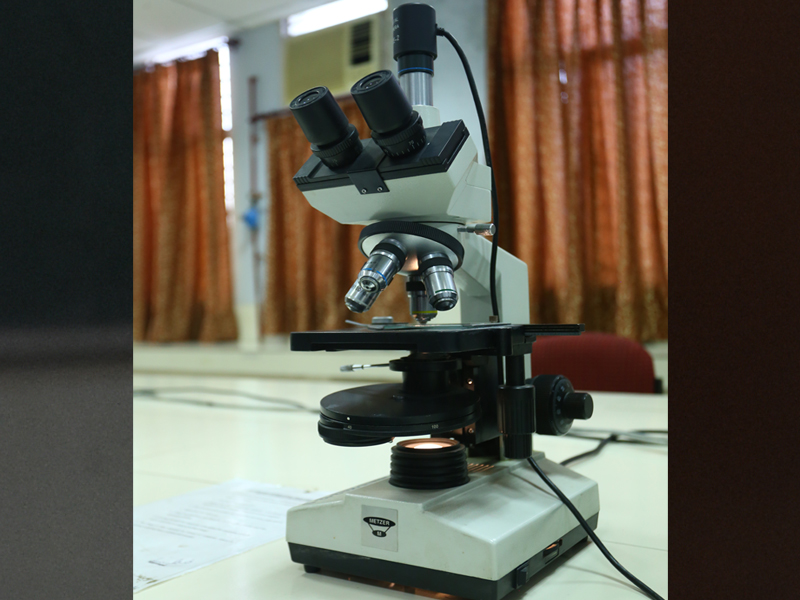
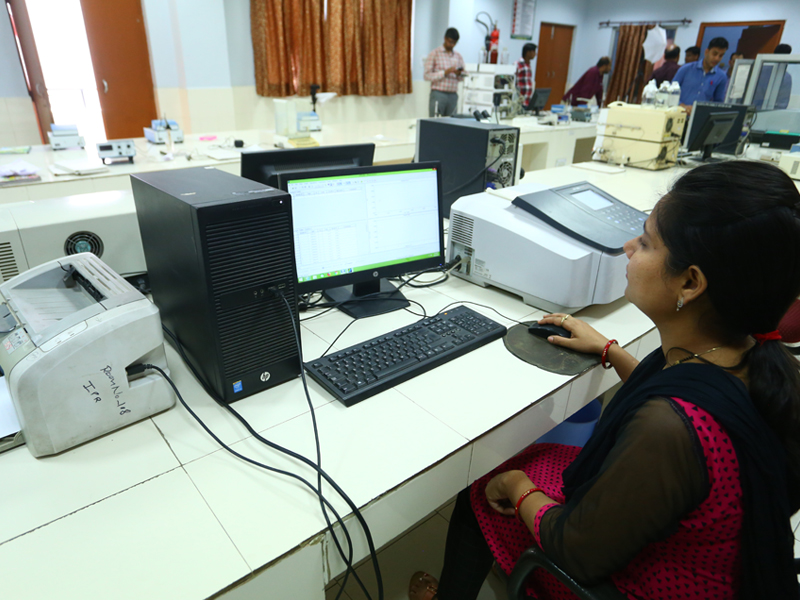
Centre for Cosmology, Astrophysics and Space Science (CCASS)
+About
The Centre for Cosmology, Astrophysics and Space Science (CCASS) at GLA University Mathura aims to build strong foundations of research in cutting edge areas of Astrophysics, which would back react on the quality of education and meet the social obligations of the University. The CCASS would act as a catalyst for pushing GLA University, Mathura in the trajectory to become a world class institution in the view of the agenda of NEP 2020. The objectives of CCASS includes the national and international academic visibility of GLA University, Mathura by means of research publications, summer projects, government sponsored projects. Further, the Centre will sponsor seminars/ workshops/ conferences cosponsored by research institutes in the country, in particular, with IUCAA (Pune), TIFR, PRL, IISC, IIA, RRI and others. This arrangement may assist us academically as well as financially. The abovementioned institutions have sizable funds for the said activities. For highly encouraged young minds, those wants to go abroad for their higher studies should be encouraged to stay in India. For this noble purpose, this research centre (CCASS) will facilitate the young researchers, so that the vision of Make in India can take a shape in reality.
Programs
Cosmology and Astrophysics Research
- Early Universe Physics: Cosmological Inflation and Baryogenesis.
- Cosmological and Particle Physics aspects of Dark Matter.
- Cosmological modeling, Dark Energy models, Modified gravity models
- Structure formation in the Universe.
- Late time evolution of Universe.
- Black hole physics and gravity waves.
- Compact stars and gravastars
- Wormhole
- High Energy Physics
- Astronomical observations
Visitor’s Program
Visitor’s program would be one of the integral parts of CCASS. The Centre will support visitors which would include experts in the thrust areas plus the long-term visitors in the allied areas from universities and colleges. CCASS will also provide a platform for their interaction with the faculties, students and the visiting experts. The Centre have provision to support visiting fellows, visiting professors and a sizeable number of short-term visitors from India and abroad. The eminent visitors are expected to deliver technical talks and initiate collaborative research projects with the faculty of the Centre and PhD students. This program is essential for sustaining the high research standards. The duration of short-term visits may be ranging from 2 weeks to 2 months. The Centre will provide TA/DA to such short-term visitors. In general, CCASS encourages renowned academicians to visit the Centre.
PHYSICS AND MATHEMATICS TEACHING
The faculty of the Centre have expertise in both physics and mathematics. CCASS is expecting to offer the M.Sc. (Astrophysics) course which will be also open to all the graduates including B.Tech.
Future Scope
Research Centre in the University sector are fundamentally different from departments in the routine activities. The visitor’s program would provide the Centre as an international platform for the research and quality teaching in Physics and Mathematics under the umbrella of GLA University, Mathura.
CCASS have launched its PhD program and provide opportunities for postdoctoral fellows together with the undergraduate projects for bachelor and master students. The research-oriented goals of the Centre are as follows:
- Publishing of research papers in high impact factor journals of international and national repute.
- Bringing national and international collaborative research grants to the Centre.
- To develop the computational platform in order to carry out simulation-based research in the field of cosmology and astrophysics.
- To organize monthly colloquiums (online mode), presented by the national or international experts.
- To organize weekly Seminars presented by the PhD students, Postdocs, and faculties of the Agra-Mathura, Delhi-NCR region including members of GLA University, Mathura.
- To build up an interdisciplinary research platform which will have active participation of students and faculties of Departments of Physics, Mathematics and Engineering.
Publications (January 2022 onwards)
- Cosmological scenario in κ(R,T) gravity. (Archana Dixit, Anirudh Pradhan and Raghavendra Chaubey). Int. J. Geom. Method Mod. Phys., Vol. 19, 2250013 (2022). https://doi.org/10.1142/s021988782250013X
- Constraints on the maximum mass of quark star and the GW 190814 event (Takol Tangphati, Indrani Karar, Anirudh Pradhan, Ayan Banerjee). Eur. Phys. J. C, Vol. 82, 57 (2022). https://doi.org/10.1140/epjc/s10052-022-10024-6
- Personal, social, economic, and professional challenges faced by female radiation oncologists in South Asia (Biplab Sarkar, A. Munshi, T. Ganesh, Khushboo Rastogi, Kanika Bansal, A.Manikandan, B. K.Mohanti, Anirudh Pradhan). Clinical Oncology, Vol. 34, e81-e82 (2022). https://doi.org/10.1016/j.clon.2021.11.001
- Evaluation of cosmological models in f(R, T ) gravity in different dark energy scenario (V. K. Bhardwaj, Anirudh Pradhan). New Astronomy, Vol. 91, 101675 (2022). https://doi.org/10.1016/j.newast.2021.101675
- Quark stars in f(R, T ) gravity with an interacting quark equation of state (Takol Tangphati, Sudan Hansraj, Ayan Benerjee, Anirudh Pradhan). Phys. Dark Univ., Vol. 35, 100990 (2022). https://doi.org/10.1016/j.dark.2022.100990
- Electrically Charged Quark Stars in 4D Einstein-Gauss-Bonnet Gravity (JuanM. Z. Pretel, Ayan Banerjee, Anirudh Pradhan). European Physical Journal C, Vol. 82, 180 (2022). https://doi.org/10.1140/epjc/s10052-022-10123-4
- FRW cosmological models with Barrow holographic dark energy in Brans-Dicke theory (Anirudh Pradhan, V. K. Bhardwaj, P. Garg, Syamala Krishnannair ). Int. J. Geom. Methods Mod. Phys., Vol. 19, 2250106 (2022). https://doi.org/10.1142/S0219887822501067
- Barrow HDE model for Statefinder diagnostic in non-flat FRW universe (Archana Dixit, Vinod K. Bhardwaj, Anirudh Pradhan). Chinese J. Phys., Vol. 77, 646-657 (2022). https://doi.org/10.1016/j.cjph.2021.08.016. arXiv:2103.08339[gr-qc].
- Roles of a periodic time varying deceleration parameter in Particle creation with (d + 2) dimensional FLRW Universe. (Priyanka Garg, Anirudh Pradhan, M. Zeyauddin). New Astronomy, Vol. 95, 101821 (2022). https://doi.org/10.1016/j.newast.2022.101821
- Dark energy dominated universe in Lyra geometry. (A. K. Yadav, G. K. Goswami, Anirudh Pradhan, S. K. Srivastava). Indian J. Phys., Vol. 96, 1569-1575 (2022). https://doi.org/10.1007/s12648-021-02071-8
- Dosimetric comparison of constant dose rate Volumetric Modulated Arc Therapy (CDR-VMAT) and Intensity Modulated Radiation Therapy (IMRT) for Gallbladder Cancer. (Varsha Raghunathji Gedam, Anirudh Pradhan). Journal of Radiotherapy in Practice, Vol. 21, 228-233 (2022). https://doi.org/10.1017/S1460396920001132
- Charged polytropic compact stars in 4D Einstein-Gauss-Bonnet gravity (Grigoris Panotopoulos, Anirudh Pradhan, Takol Tangphati, Ayan Banerjee). Chin. J. Phys., Vol. 77, 2106-2114 (2022). https://doi.org/10.1016/j.cjph.2022.01.008
- Challenges faced by female radiation oncologists (FRO) in South Asia (Biplab Sarkar, A. Munshi, T. Ganesh, P. Sarkar, Khushboo Rastogi, Kanika Bansal, A. Manikandan, B. K. Mohanti, Anirudh Pradhan). Bulletin du Cancer, Vol. 109, 648-658 (2022). https://doi.org/10.1016/j.bulcan.2021.10.001
- Tidal effect in ADM formulation under the foliations of spacetime. (Indranath Bhattacharyya, Saibal Ray, Anirudh Pradhan). Chin. J. Phys., Vol. 77, 1765-1769 (2022). https://doi.org/10.1016/j.cjph.2022.02.006
- Growth characteristics of female radiation/clinical oncologists in South Asia: Assessment of gender neutrality and leadership position. (Biplab Sarkar, A. Munshi, T. Ganesh, A. Manikandan, B. Bhattacharjee, R. Pun, N. Imbulgoda, T. Yasmin, Anirudh Pradhan). Clinical Oncology, Published online on 22-04-2022. https://doi.org/10.1016/j.clon.2022.04.002
- Minimally deformed charged steller model by gravitational decoupling in 5D Einstein-Gauss-Bonnet gravity (S. K.Maurya, Ayan Benerjee, Anirudh Pradhan, Dhananjay Yadav). Eur. Phys. J. C, Vol. 82, 552 (2022). https://10.1140/epjc/s10052-022-10496-6
- Cosmic dynamics and qualitative study of Rastall model with spatial curvature (Ashutosh Singh, G. P. Singh, Anirudh Pradhan). Int. J. Mod. Phys. A, Vol. 37, 2250104 (2022). https://doi.org/10.1142/S0217751X22501044
- Calculation of set-up margin in frameless stereotactic radiotherapy accounting for translational and rotational patient positing error (A. Manikandan, Biplab Sarkar, A. Munshi, S. Krishnankutty, T. Ganesh, B. K. Mohanti, Sujatha Manikandan, Anirudh Pradhan, S. Chandrasekharan). J. Cancer Research & Therapeutics. Published online: 9-5-2022. https://doi.org/10.4103/jcrt.jcrt_359_21
- Qualitative study of anisotropic Rastall cosmologies (Ashutosh Singh, Anirudh Pradhan). Indian J. Phys. Published Online on 02-07-2022. https://doi.org/10.1007/s12648-022-02406-z
- LRS Bianchi type-I cosmological models with periodic time varying deceleration parameter and statefinder in f(R, T ) gravity (Anirudh Pradhan, Archana Dixit, Gunjan Varshney ). Int. J. Mod. Phys. A, Accepted on 14-06-2022. https://doi.org/10.1142/S0217751X22501214
- Cosmographic analysis of a closed bouncing universe with the varying cosmological constant in f(R, T) gravity. (V. K. Bhardwaj, Anirudh Pradhan, N. Ahmed, A. A. Shaker). Can. J. Phys. Published Online on 17-06-2022. http://dx.doi.org/10.1139/cjp-2021-0352
- Corrected holographic dark energy with power-law entropy and Hubble Horizon cut-off in FRW Universe . (Vinod K. Bhardwaj, P. Garg, Anirudh Pradhan, Syamala Krishnannair). Chin. J. Phys. Published Online on 02-07-2022. https://doi.org/10.1016/j.cjph.2022.06.028
- Phantom dark energy nature of bulk-viscosity universe in modified f(Q)- gravity. (A. Dixit, D. C. Maurya, Anirudh Pradhan). Int. J. Geom. Method Mod. Phys. Accepted on 30-06-2022. https://doi.org/10.1142/S0219887822501985
- Cosmic acceleration and ekpyrotic bounce with Chameleon field. (Ashutosh Singh, Anirudh Pradhan). Int. J. Geom. Methods Mod. Phys., Accepted on 22-07-2022, https://doi.org/10.1142/S0219887822
- Charged quark stars in f(R, T) gravity (Juan M. Z. Pretel, Takol Tangphati, Ayan Banerjee, Anirudh Pradhan). Chin. Phys. C, Paper accepted on 26-07-2022. https://doi.org/10.1088/1674-1137/ac84cb arXiv:2207.12947v1[gr-qc]
- Lagrangian formulation and implications of barotropic fluid cosmologies (A. Singh, R. Raushan, R. Chaubey, S. Mandal, K.C. Mishra), Int. J. Geom. Methods Mod. Phys., Vol. 19, 2250107 (2022). https://doi.org/10.1142/S0219887822501079
- Relativistic charged stellar model of the Pant interior solution via gravitational decoupling and Karmarkar conditions, (N. Pant, S. Gedela, Saibal Ray and K.G. Sagar), Modern Physics Letters A 34, 2250072 (2022). https://doi.org/10.1142/S0217732322500729
- Collapsing scenario for the k-essence emergent generalised Vaidya spacetime in the context of massive gravity’s rainbow, (Saibal Ray, A. Panda, B. Majumder, M.R. Islam and G. Manna) Chinese Physics C (2022) https://doi.org/10.1088/1674-1137/ac8868
- Anisotropic stars in modified gravity: An extended gravitational decoupling approach (S.K. Maurya, B. Mishra, Saibal Ray and R. Nag), Chinese Physics C [Accepted]
Faculty
Prof. Anirudh Pradhan
Director
Centre for Cosmology, Astrophysics and Space Science
Google Scholar Id: Click here
Scopus Id: Click here
Orcid: Click here
Prof. Saibal Ray
Associate Director
Centre for Cosmology, Astrophysics and Space Science
Prof Ray has been working in the field of Astrophysics, cosmology, Astronomy, General Relativity, History and Philosophy of Science for the last Three decades. He has supervised 11 scholars till date and some others are pursuing their PhD Programs and recognized as very popular teacher in Darjeeling Government College, Barasat Government College, and Government College of Engineering & Ceramic Technology, Kolkata, West Bengal for 36 Years. He is very passionate about songs, poems, and night sky watching.
Google Scholar Id: Click here
Scopus Id: Click here
Orcid: Click here
Dr. Ashutosh Singh
Assistant Professor - Research
Centre for Cosmology, Astrophysics and Space Science
Google Scholar Id Click here
Scopus Id Click here
Orcid Click here
 Virtual Tour
 B.Tech Programs
UG Programs
Lateral Entry
M.Tech Programs
PG Programs
Doctoral Programs
Diploma Programs
Admissions Helpline

-

-

-

-

17km Stone, NH-19, Mathura-Delhi Road, P.O.
Chaumuhan, Mathura-281 406, (U.P.) INDIA