 Syllabus PDF
 Download Brochure
 Syllabus PDF
 Download Brochure
roles like Scientist, Engineer, Technical Officer, JE, often requiring competitive exams like GATE, ESE, or specific PSU tests for roles in R&D, infrastructure, and defense technology.


Programs
UG Degree
B.Tech Electronics & Communication Engineering with Minor in Computer Science
 4 Years
Overview
The B.Tech Electronics & Communication Engineering with a Minor in Computer Science at GLA University blends electronics, communication and computing into one dynamic learning experience. Students build strong technical foundations while gaining practical exposure through labs and projects. With an interdisciplinary approach, the programme prepares graduates to confidently step into technology-driven industries where digital systems, communication and computing work together seamlessly.
Eligibility Criteria
Candidates should have completed 10+2 with Physics and Mathematics, along with Chemistry or Computer Science, securing a minimum of 50% overall and in core subjects combined.
Academic Fee
- 1st Year : INR.1,90,000/-
- 2nd Year : INR.1,95,000/-
- 3rd Year : INR.2,00,000/-
- 4th Year : INR.2,05,000/-
Scholarship
For B Tech Students On the basis of PCM percentage
Candidates eligible for scholarship on the basis of Physics, Chemistry & Mathematics percentage at 10+2 level as mentioned below:

Note: The scholarship amount received in the first year will be applicable for all subsequent years. The student must maintain a minimum CPI of 8.00 to avail the scholarship in the next year of his/her studies.
Top-Tier Companies in Our Placement Network






























Programs
UG Degree
B.Tech Electronics & Communication Engineering with Minor in Computer Science
 4 Years
Overview
The B.Tech Electronics & Communication Engineering with a Minor in Computer Science at GLA University blends electronics, communication and computing into one dynamic learning experience. Students build strong technical foundations while gaining practical exposure through labs and projects. With an interdisciplinary approach, the programme prepares graduates to confidently step into technology-driven industries where digital systems, communication and computing work together seamlessly.
Eligibility Criteria
Candidates should have completed 10+2 with Physics and Mathematics, along with Chemistry or Computer Science, securing a minimum of 50% overall and in core subjects combined.
Academic Fee
- 1st Year : INR.1,90,000/-
- 2nd Year : INR.1,95,000/-
- 3rd Year : INR.2,00,000/-
- 4th Year : INR.2,05,000/-

GLdvantage
Designed to Produce Future-Ready Engineers
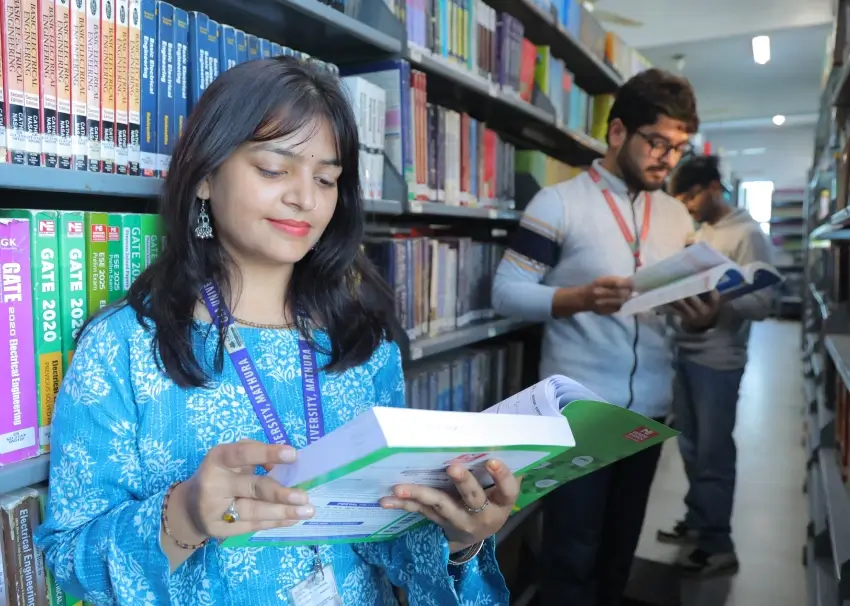
At GLA University, we emphasize education beyond classrooms with project-based learning to ensure our students imbibe what the industry requires.
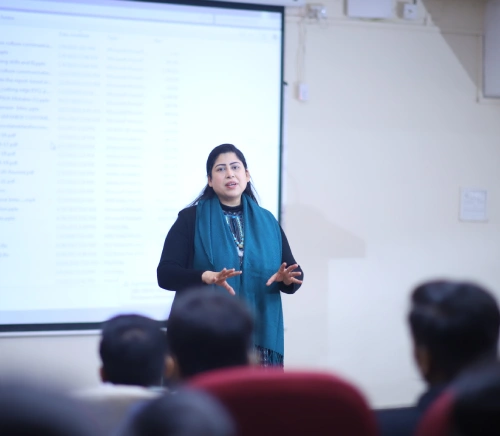
B.Tech Electronics & Communication Engineering with Minor in Computer Science
The B.Tech Electronics & Communication Engineering with Minor in Computer Science programme at GLA University combines the core principles of electronics and communication with essential computing knowledge.
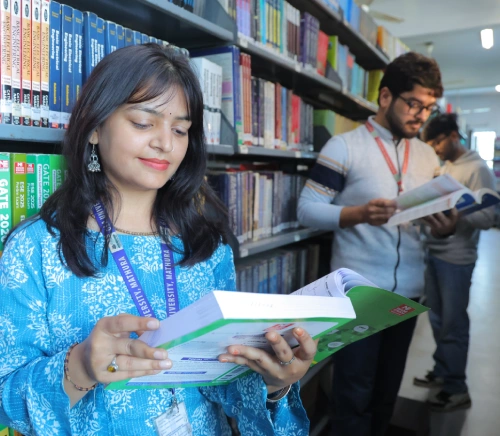
Core Subjects and Technical Foundations
The programme covers key areas such as electronic circuits, digital electronics, communication systems, signal processing and microprocessors.

Integration with Computer Science
Alongside the major discipline, students study selected courses from computer science to understand programming, computing concepts and modern digital technologies.

Interdisciplinary Learning Approach
The curriculum encourages interdisciplinary learning, enabling students to explore the integration of electronics, communication and computing systems.

Practical Learning and Technical Training
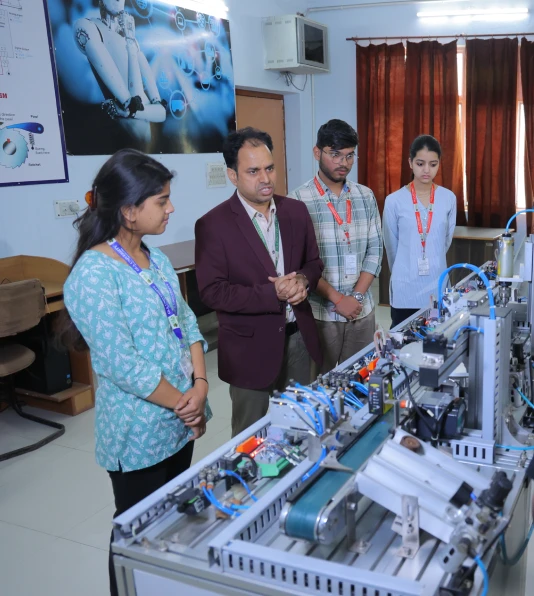
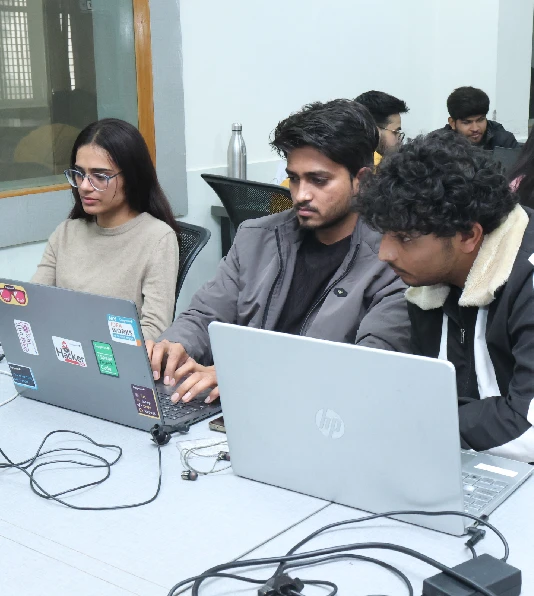
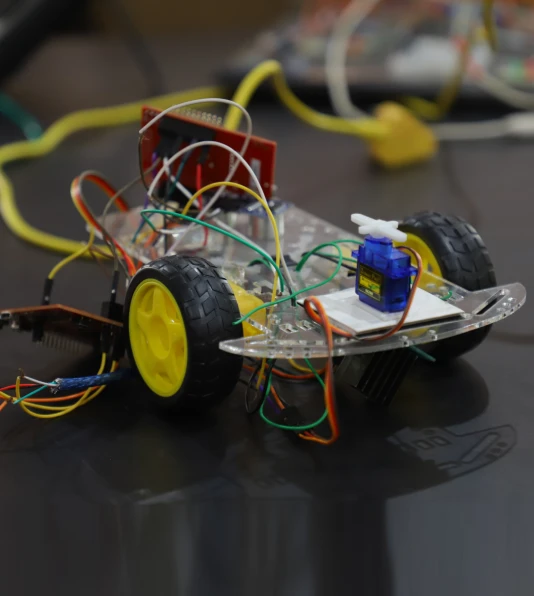
Students gain practical experience through laboratory sessions, technical projects and applied engineering training.

Career Preparation and Industry Readiness
The programme prepares graduates to work in technology-driven industries where electronics, communication and computing systems interact closely.
Rankings & Accreditations
-
UGC
12B Status by UGC

-
NAAC A+
Accredited

-
#200
NIRF Ranking 2025
Listed among the Top 200 Engineering Institutes in India

-
#781-790
Overall Asia Rank
Ranked in the 781–790 Band in Asia Overall

Career Prospects
Graduates of the programme can pursue roles such as

Public Sector
B.Tech ECE graduates in the government sector can pursue careers in PSUs, Defense & Space, Telecom, Research, Railways, and Civil Services, with key

Private Sector
B.Tech ECE graduates in the private sector can pursue core electronics roles (VLSI, Embedded Systems, Telecom, RF Engineering, Electronics Design),
IT/Software jobs (Software Developer, AI/ML Engineer, Data Analyst), and emerging tech fields like Robotics and IoT, with top recruiters including major IT firms. Key paths involve Hardware/Software roles, R&D, and Network Engineering, focusing on areas like signal processing, systems, and automation for diverse opportunities in tech giants and startups.

Further Study Options
Potential Career Roles
- Electronics Engineer
- Communication Systems Engineer
- Embedded Systems Engineer
- Software or Technology Engineer
- Network Engineer
- Design Engineer

Career opportunities
Career opportunities are available across sectors including telecommunications, electronics manufacturing, information technology companies, automation industries and engineering services organisations. Graduates may also pursue higher studies or research in electronics, communication engineering, computer science or related interdisciplinary fields.
Research
Think Beyond Innovation in a Research-Driven Environment
Our researchers pushing the frontiers of knowledge and discovery to explore complex problems and find solutions.
850+
Patents
Published
14
Research
Centres
12k+
Publications in
SCI & Scopus
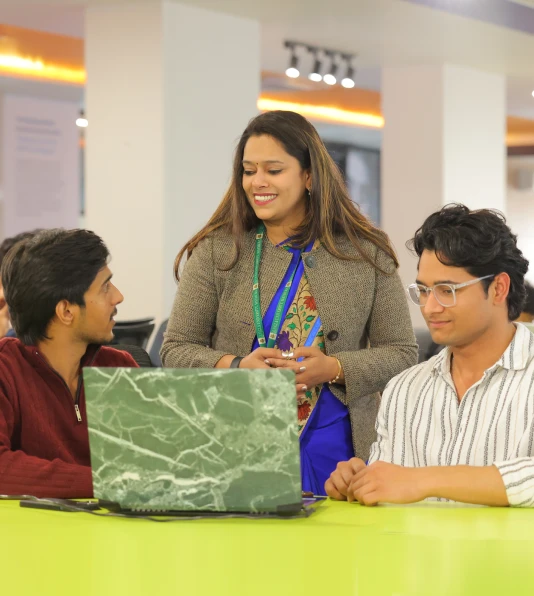
Outcomes & Objectives
On successful completion of the programme, students will be able to
Apply knowledge of mathematics, science and engineering fundamentals to electronics and communication engineering problems.
Analyse and design electronic circuits, digital systems and communication technologies.
Use appropriate engineering and computing tools for system design and problem solving.
Conduct experiments, interpret technical data and evaluate engineering results.
Work effectively in teams and communicate engineering solutions clearly.
Understand professional, ethical and societal responsibilities in engineering practice.
Engage in continuous learning to remain updated with technological developments in electronics, communication and computing fields.
Graduates of the B.Tech Electronics & Communication Engineering with Minor in Computer Science programme will be able to
Develop strong knowledge of electronics, communication systems and computing fundamentals.
Apply engineering principles to analyse and design electronic and communication technologies supported by computing solutions.
Demonstrate professional ethics, teamwork and effective communication in technical environments.
Contribute to technological innovation in electronics, communication and digital computing systems.
Continue professional growth through lifelong learning and adaptation to emerging technologies.
Students graduating from the programme will be able to
Analyse and design electronic circuits and communication systems used in modern technologies.
Apply computing knowledge and programming skills to support electronics and communication applications.
Use modern engineering and computational tools for modelling, simulation and analysis of electronic systems.
Understand the integration of communication networks, embedded systems and computing platforms.
Develop practical engineering solutions for challenges in electronics, communication and digital technology industries.
Why B.Tech Electronics & Communication Engineering with Minor in Computer Science?
The B.Tech Electronics & Communication Engineering with Minor in Computer Science program is designed to provide students with strong knowledge of electronics and communication systems along with essential computing skills required in modern digital industries. The curriculum covers core areas such as electronic circuits, digital systems, communication networks, signal processing, microprocessors, and embedded systems, while the computer science minor introduces programming, algorithms, data structures, and software development fundamentals.
This interdisciplinary program helps students understand the integration of hardware and software in emerging technologies such as embedded systems, IoT, communication networks, and intelligent electronic applications. Through laboratory work, software-based projects, and industry-oriented learning, students develop technical and analytical capabilities required for careers in electronics, communication, and computing sectors.



What else can you do while studying at GLA
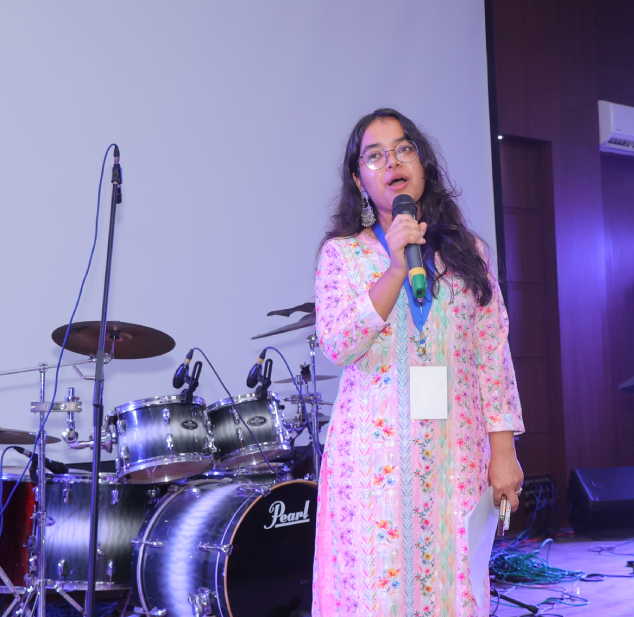
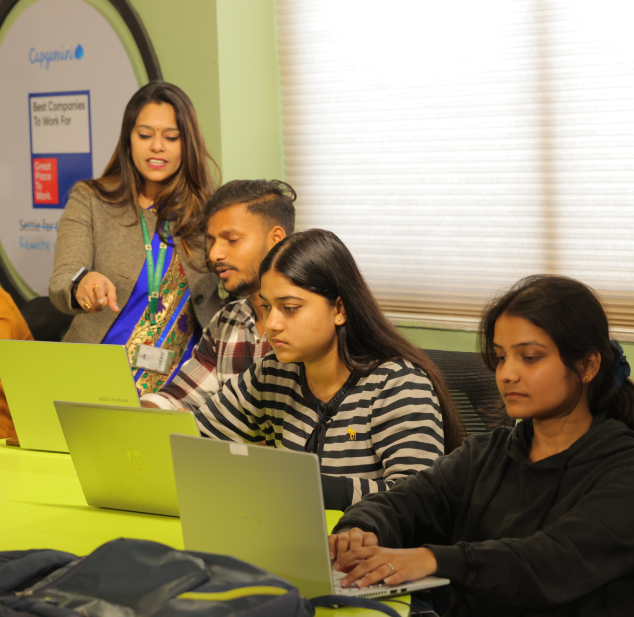
GLA University offers a wide range of campus extra-curricular activities across all domains.
These activities are organized through student clubs, departmental societies, university festivals, and regular institutional programs. Typical categories and representative examples



B.Tech Electronics & Communication Engineering with Minor in Computer Science Frequently Asked Questions
It is a 4-year undergraduate program focused on core subjects like programming, data structures, DBMS, operating systems, and software engineering, along with practical lab work.
Students must pass 10+2 with Physics and Mathematics as compulsory subjects and one optional subject (Chemistry/CS) with at least 50% aggregate marks.
No, the program primarily builds strong computer science fundamentals. Specializations like AI/ML or Data Science are offered separately as optional tracks.
Admission Process
How to apply to GLA

Registration
Register online by filling in your basic details on the admission portal.
https://
student.glauniversity.in/
Main/Admission


That’s it — your journey with GLA begins here.
Choose More Than a Degree. Choose GLA.
Learn more, grow faster, and discover your direction
Open for admission year 2026-27
 Virtual Tour
 B.Tech Programs
UG Programs
Lateral Entry
M.Tech Programs
PG Programs
Doctoral Programs
Diploma Programs
Admissions Helpline

-

-

-

-

17km Stone, NH-19, Mathura-Delhi Road, P.O.
Chaumuhan, Mathura-281 406, (U.P.) INDIA