
The Centre for Skill & Entrepreneurship
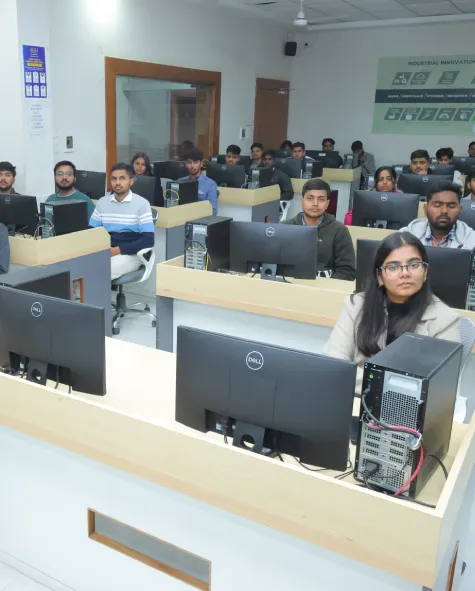
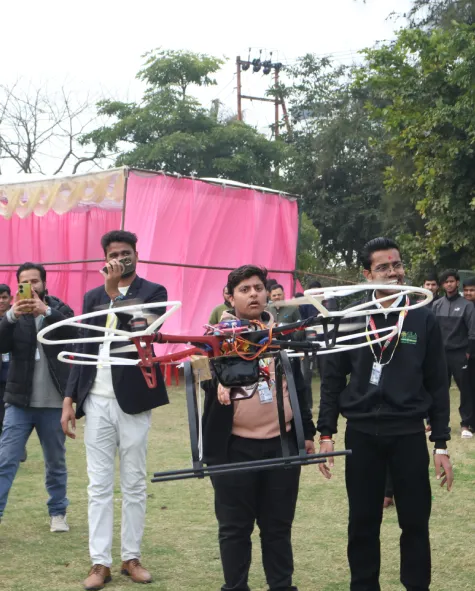
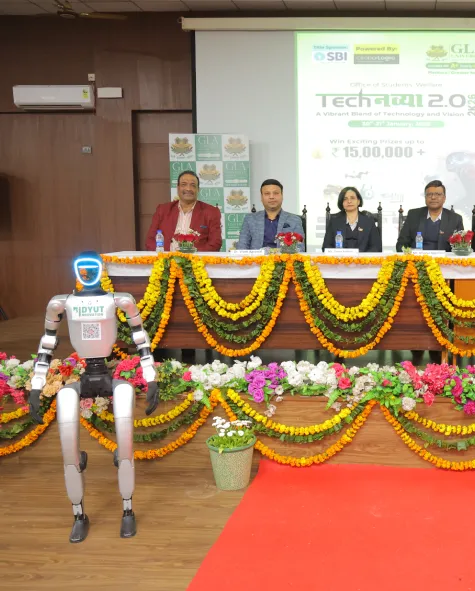
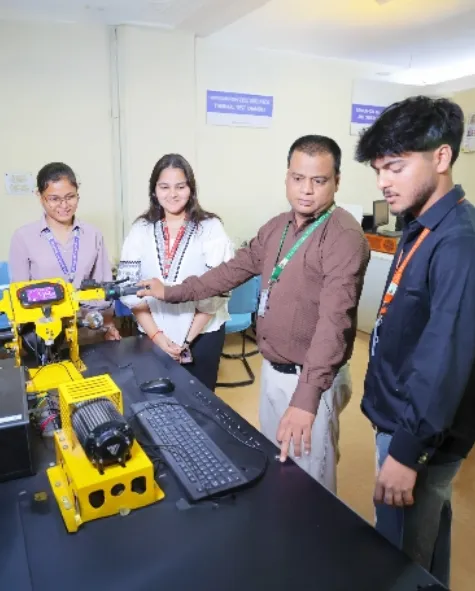
Development (CSED) at GLA University, Mathura is an Industry 4.0, driven initiative established in collaboration with leading technology partners such as DCS (system integrator), Dassault Systèmes, PTC, and Mastercam. The centre aims to strengthen technical education infrastructure and enable industry relevant skill development,
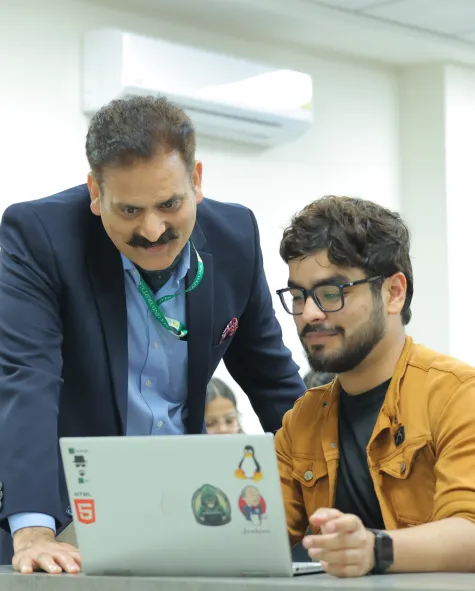
Fostering entrepreneurship and enhancing employability for youth. With state of the art equipment, hands on training, and real industry exposure, CSED acts as a catalyst for sustainable industrial growth and future ready talent development.
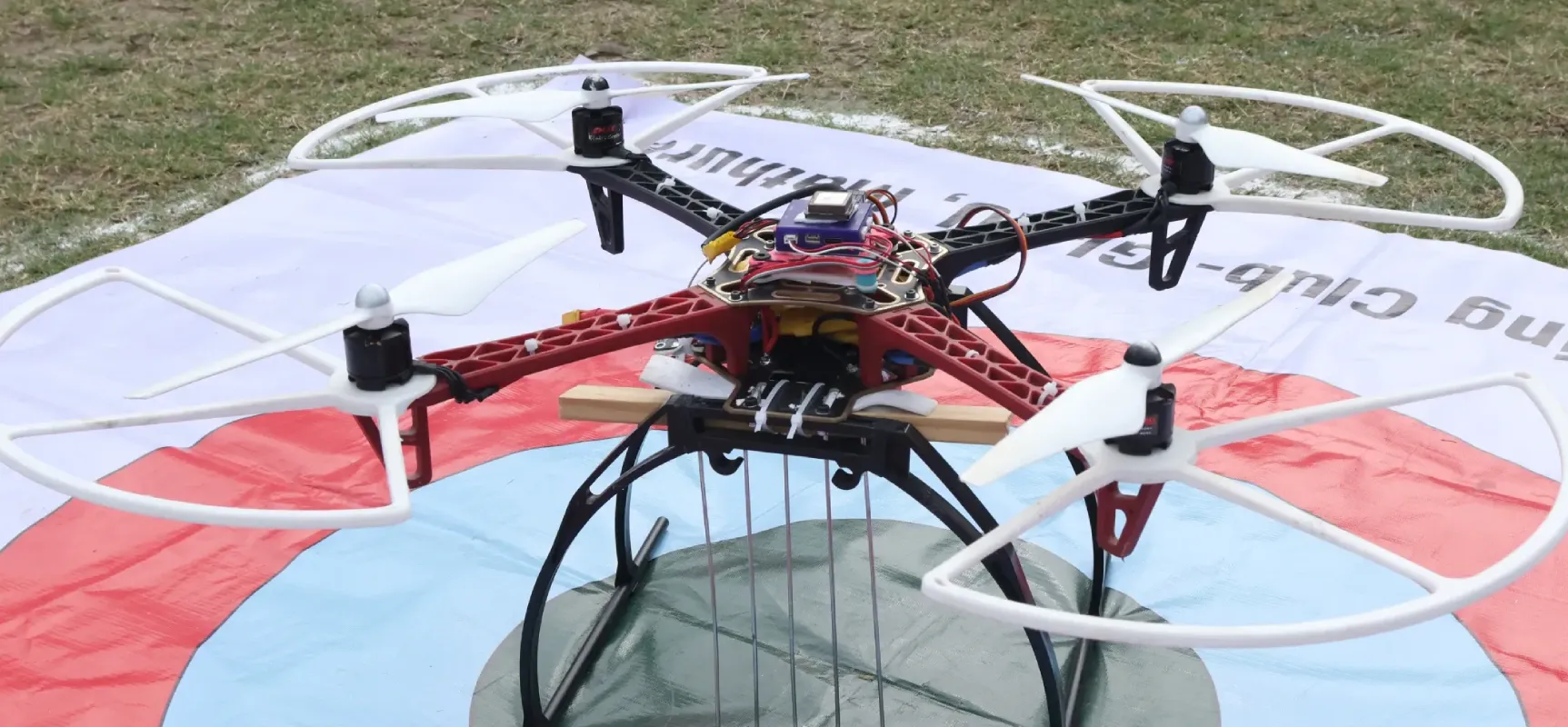
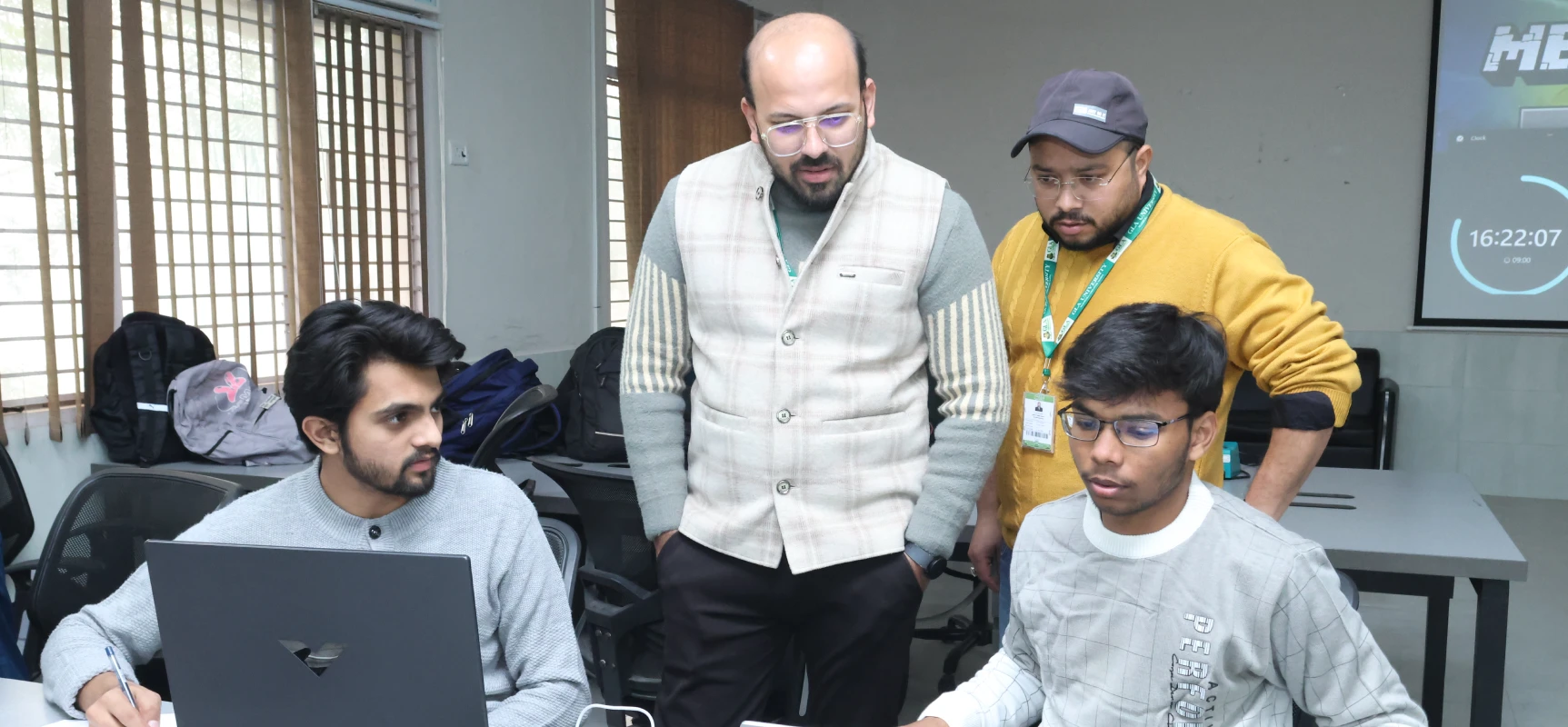
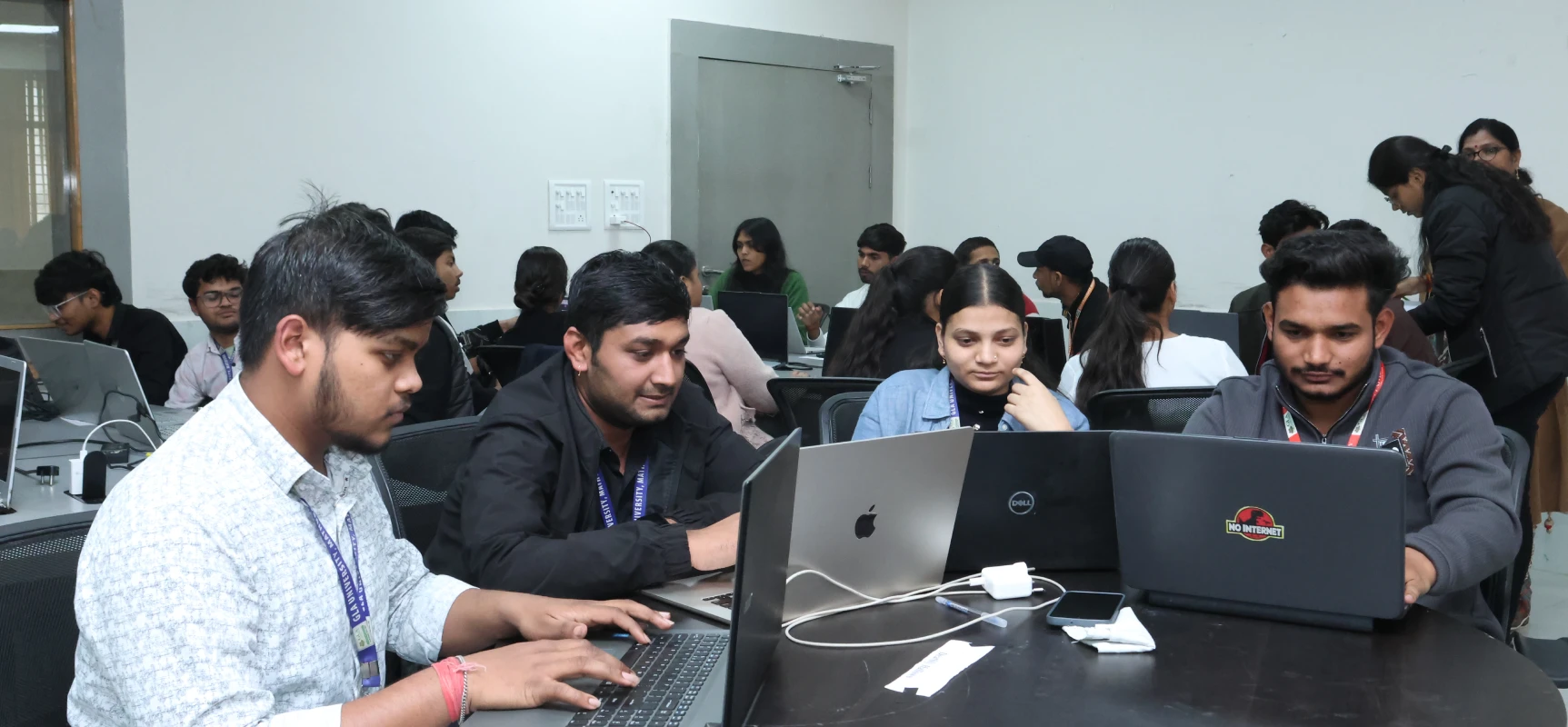
Facilities
Transforming the Future of Industry
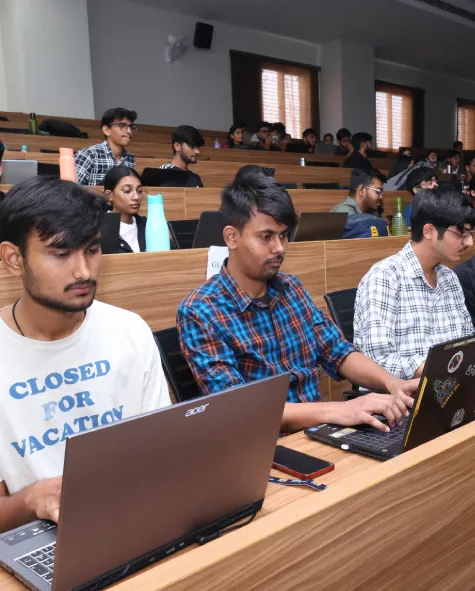
Highlights
Our Vision
To emerge as a leading centre of excellence in skill development and entrepreneurship, integrating advanced technologies with industry expertise and academic rigor. The centre aims to contribute to inclusive industrial growth, innovation culture, and employment generation.
Our Mission
To bridge the gap between academia and industry by offering practical, application oriented training in emerging engineering, manufacturing, and digital technologies. CSED aims to foster entrepreneurship, innovation, and employability through industry relevant, future focused skill training and advisory support.
Director Message
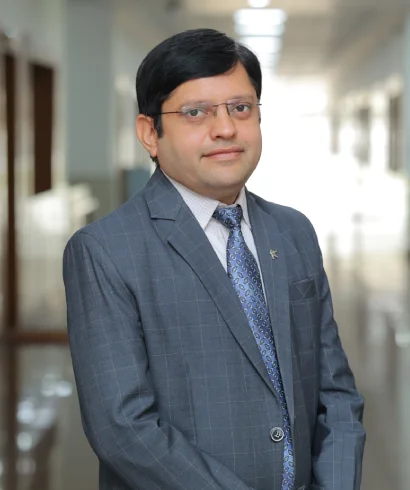
The Centre for Skill & Entrepreneurship Development (CSED) is a pioneering platform redefining how skill development is delivered in India. Our approach—creating an “industry within the institute”—mirrors the real world model of a teaching hospital within a medical college.
Through experiential learning, a robust skill warehouse, and a multidisciplinary framework, CSED supports sectors such as IT, manufacturing, and emerging digital technologies. With a strong emphasis on research, innovation, and startup incubation, we empower students to become future ready professionals and active contributors to India’s industrial growth and entrepreneurial landscape.
Mr. Pushkar Sharma
CSED
Frequently Asked Questions
What programs are offered by the Computer Science and Engineering department?
+What is the eligibility criteria for admission to B.Tech Computer Science and Engineering?
+How can students apply for admission to the CSE program?
+What is the duration of the B.Tech Computer Science and Engineering program?
+Are scholarships available for Computer Science students?
+What facilities are available for Computer Science students at the university?
+What programming languages are taught in the CSE program?
+Does the department provide internship opportunities for students?
+What career opportunities are available after completing Computer Science Engineering?
+Does the university provide placement support for CSE students?
+Are students encouraged to participate in coding competitions and technical events?
+Does the program include practical programming training?
+What teaching methodology is followed in the Computer Science department?
+Are research opportunities available for Computer Science students?
+Does the CSE department organize workshops and seminars?
+What skills can students develop during the CSE program?
+Are project-based learning opportunities provided in the CSE program?
+Can students pursue higher education after completing Computer Science Engineering?
+What campus facilities support the academic development of CSE students?
+Why should students choose Computer Science and Engineering at GLA University?
+ Virtual Tour
 B.Tech Programs
UG Programs
Lateral Entry
M.Tech Programs
PG Programs
Doctoral Programs
Diploma Programs
Admissions Helpline

-

-

-

-

17km Stone, NH-19, Mathura-Delhi Road, P.O.
Chaumuhan, Mathura-281 406, (U.P.) INDIA