
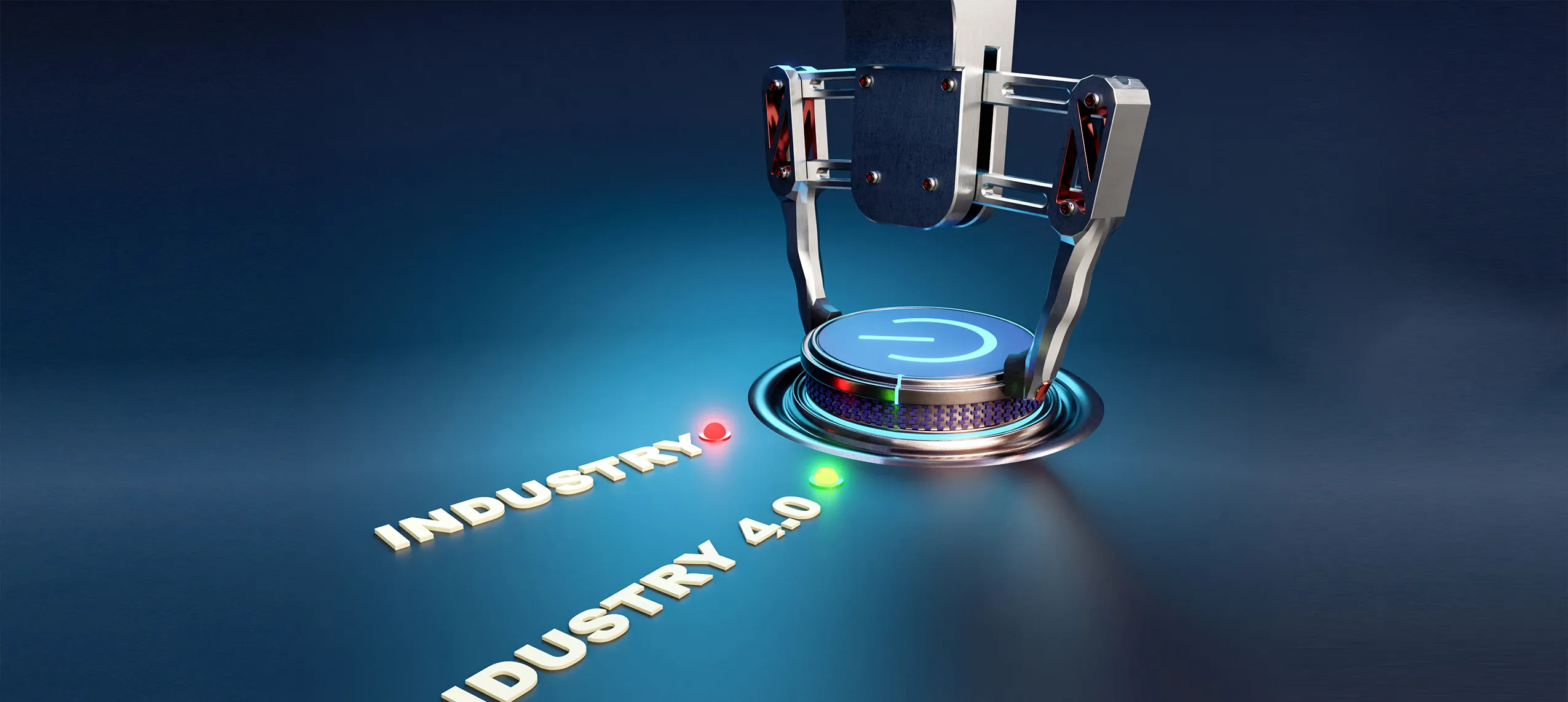
Additive Manufacturing and Future Opportunities
Manufacturing has always been at the heart of industrial progress. From manual craftsmanship to automated assembly lines, every technological shift has redefined how products are designed, produced, and delivered.
Today, the manufacturing world is undergoing another powerful transformation—Additive Manufacturing, commonly known as 3D printing. This technology is not just changing production methods; it is reshaping careers, industries, and innovation itself. Additive Manufacturing represents a shift from traditional subtractive methods to a smarter, more efficient approach where objects are built layer by layer. As industries adopt this technology at scale, new doors are opening for engineers, designers, and innovators who are ready to shape the future.



Understanding Additive Manufacturing
At its core, additive manufacturing involves creating physical objects directly from digital models by adding material layer by layer. Unlike conventional manufacturing, which cuts or molds materials into shape, this approach minimizes waste, improves precision, and allows complex geometries that were once impossible to produce.
Why Additive Manufacturing Is the Future
The global shift toward smarter and sustainable manufacturing has placed additive manufacturing at the center of advanced manufacturing practices. Companies are now prioritizing flexibility, speed, and efficiency—areas where 3D printing excels.
One of the biggest advantages of additive manufacturing is design freedom. Engineers can create lightweight structures, internal channels, and optimized shapes that enhance performance while reducing material usage. This aligns perfectly with modern engineering goals focused on efficiency and sustainability.
Additionally, digital manufacturing reduces dependency on large inventories. Components can be printed on demand, reducing storage costs and supply chain delays. These benefits make additive manufacturing an essential part of future production strategies.
Career Opportunities in Additive Manufacturing
As industries invest in this technology, the demand for skilled professionals is growing rapidly. 3D printing careers are no longer limited to machine operation; they span multiple domains including engineering, design, research, and business strategy.
Mechanical engineers, material scientists, and production specialists are increasingly required to understand additive manufacturing processes. Roles such as additive manufacturing engineer, process development engineer, and quality assurance specialist are becoming mainstream in high-tech industries.
Role of Mechanical Engineering in Additive Manufacturing
Mechanical engineering plays a vital role in the success of additive manufacturing. Understanding material behavior, stress distribution, thermal properties, and structural integrity is essential when designing parts for 3D printing. This is why additive manufacturing is often highlighted among emerging mechanical trends shaping the future of the profession.
Mechanical engineers work closely with design teams to ensure printed components meet functional and safety requirements. They also optimize print parameters, select suitable materials, and validate performance through testing and simulation.
As industries move toward lightweight structures and performance-driven designs, mechanical engineers with additive manufacturing expertise will continue to be in high demand.
Design-Driven Innovation and Creative Careers
Additive manufacturing has blurred the boundaries between engineering and design. With fewer manufacturing constraints, creativity plays a larger role in product development. This has given rise to exciting design careers focused on digital modeling, generative design, and product visualization.
Designers now collaborate with engineers from the earliest stages of development. Using advanced CAD tools, they can experiment with forms that maximize strength while minimizing weight. This approach not only enhances product performance but also accelerates innovation cycles.
Industries such as fashion, architecture, medical devices, and consumer electronics are increasingly relying on additive manufacturing to deliver customized and visually striking products.
Additive Manufacturing Across Industries
The influence of additive manufacturing extends across multiple sectors. In aerospace, it enables the production of lightweight, high-strength components that improve fuel efficiency. In healthcare, patient-specific implants and prosthetics are revolutionizing treatment outcomes.
Automotive companies use 3D printing for rapid prototyping and small-batch production, while construction firms explore large-scale printing for sustainable housing solutions. These applications highlight how additive manufacturing supports industrial innovation on a global scale.
As technology evolves, its integration with artificial intelligence and automation will further enhance precision and scalability, reinforcing its role in advanced manufacturing ecosystems.
Skills Required for a Career in Additive Manufacturing
To succeed in this field, professionals must combine technical knowledge with creative thinking. Key skills include proficiency in CAD software, understanding of materials science, and familiarity with various 3D printing technologies such as FDM, SLS, and metal printing.
Problem-solving, adaptability, and continuous learning are equally important. Since additive manufacturing is constantly evolving, staying updated with emerging tools and techniques is essential for long-term career growth.
Students who develop expertise early gain a competitive advantage, especially as companies seek professionals who can bridge the gap between design, production, and innovation.
Future Scope and Industry Demand
The future of additive manufacturing looks promising, driven by digital transformation and sustainable practices. Governments and industries worldwide are investing heavily in this technology, recognizing its potential to reshape manufacturing at every level.
With rising demand for customized products and faster development cycles, additive manufacturing will continue to generate diverse job roles. From research and development to production management, opportunities will expand for those equipped with the right skills.
As one of the fastest-growing mechanical trends, additive manufacturing is set to redefine how engineers and designers contribute to the industrial ecosystem.
Conclusion
For students aspiring to build a strong foundation in additive manufacturing and related technologies, GLA University stands out as an excellent choice. With its industry-oriented curriculum, modern laboratories, and focus on emerging mechanical trends, the university equips students with the practical knowledge and skills required to succeed in this future-ready field.


Admission Open For
B.Tech
2027
Start your journey with us
Apply OnlineGet In Touch With Us
 Virtual Tour
 B.Tech Programs
UG Programs
Lateral Entry
M.Tech Programs
PG Programs
Doctoral Programs
Diploma Programs
Admissions Helpline

-

-

-

-

17km Stone, NH-19, Mathura-Delhi Road, P.O.
Chaumuhan, Mathura-281 406, (U.P.) INDIA