
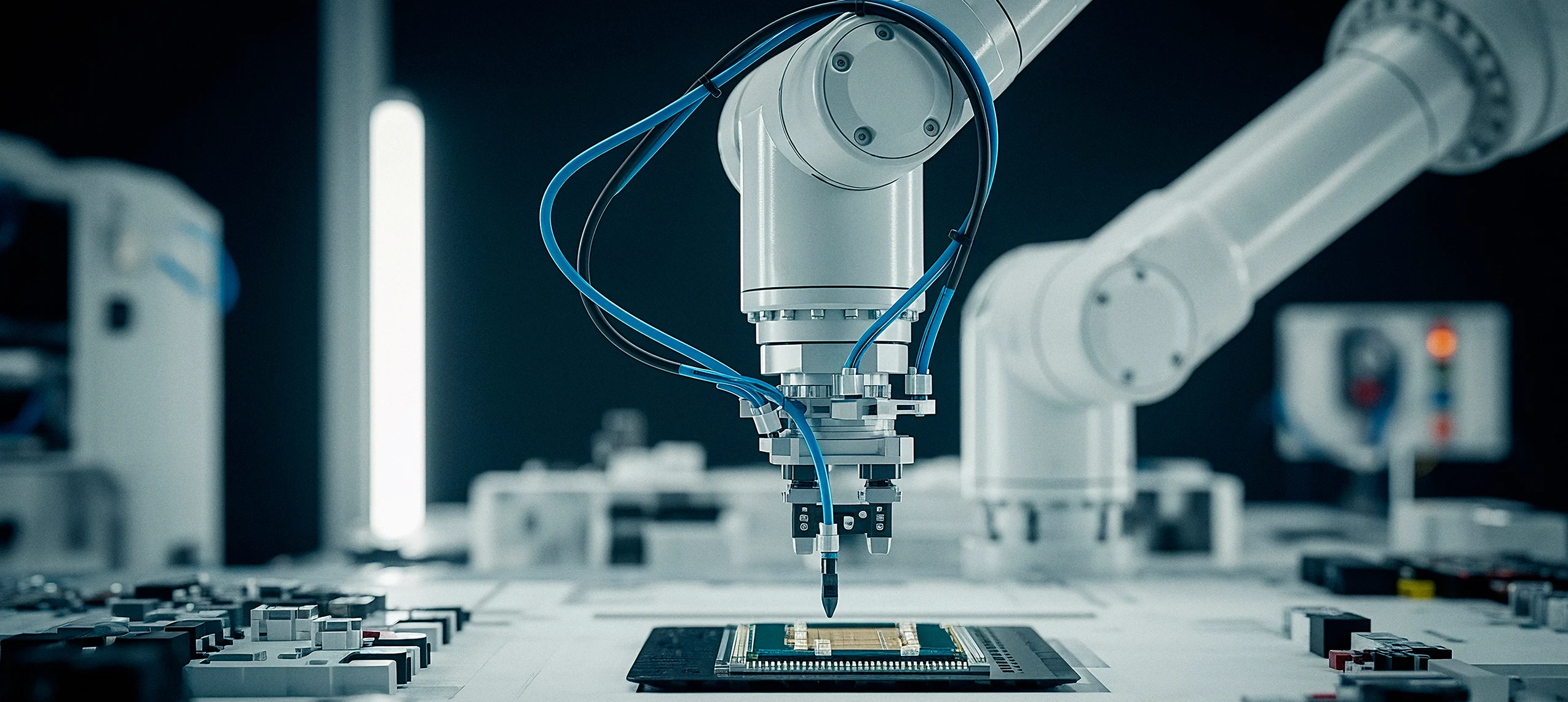
Robotics & Electronics: A Thrilling Career Frontier for Electrical Engineers
The world hums with machines that think, move, and adapt—welcome to the explosive intersection of robotics engineering and electronics.
As an electrical engineering (EE) graduate, you're perfectly positioned to dive into this dynamic field. From self-driving cars zipping through cities to robotic arms assembling smartphones in factories, electronics innovation powers it all. Demand for skilled professionals surges, with the global robotics market projected to hit $210 billion by 2025. If you're eyeing a future where your skills shape tomorrow, robotics & electronics offers endless excitement and opportunity.



The Rise of Robotics Engineering: Where EE Meets Intelligence
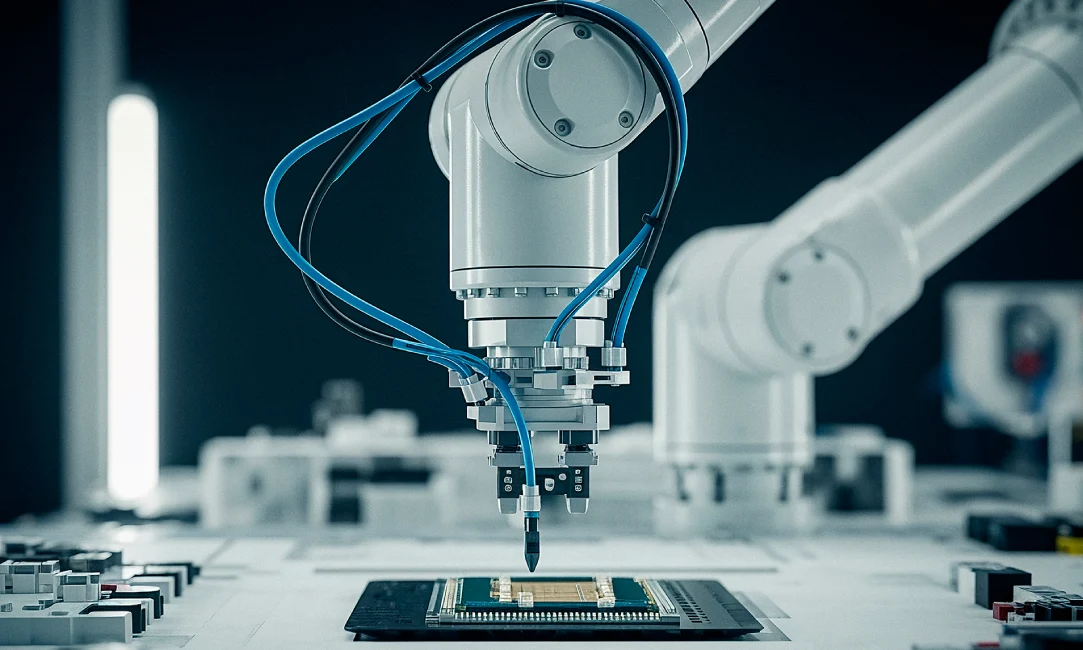
Robotics engineering fuses electrical systems with mechanical design and software smarts, creating autonomous wonders. EE pros excel here because they master the "brains"—circuits, sensors, and power systems that make robots tick.
At its core, a robot needs precise control. EE engineers design power-efficient motors, integrate LiDAR for navigation, and embed AI chips for decision-making. Take Boston Dynamics' Atlas robot: its acrobatic flips rely on sophisticated electronics innovation, like gyroscopes and inertial measurement units (IMUs) tuned by EEs.
Job prospects? Stellar. The U.S. Bureau of Labor Statistics predicts 9% growth in robotics roles through 2030, outpacing many fields. In India, initiatives like Make in India fuel demand, with companies like Tata and DRDO hiring robotics engineers for defense drones and industrial automation. Entry-level roles pay ₹6-10 lakhs annually, scaling to ₹25 lakhs+ with experience. If you love problem-solving under pressure, robotics engineering delivers adrenaline and impact.
Embedded Systems: The Hidden Powerhouse of Smart Devices
No robotics & electronics career thrives without embedded systems—tiny computers woven into everyday gadgets. These microcontrollers process data in real-time, from a robot's arm gripping a fragile egg to a smart thermostat learning your habits.
EE students thrive in this niche. You learn to program ARM processors, optimize low-power designs, and interface sensors via protocols like I2C or SPI. Tools like Arduino and Raspberry Pi make prototyping fun and accessible, turning ideas into prototypes overnight.
Consider the boom in IoT: by 2025, 75 billion connected devices will rely on embedded systems. Careers span consumer electronics (wearables), automotive (ADAS systems), and healthcare (pacemakers). Salaries? Mid-level embedded engineers command $100,000+ globally, or ₹12-20 lakhs in India. Certifications in RTOS or FPGA design supercharge your resume. Hands-on projects—like building a line-following robot—build the portfolio that lands interviews at firms like Texas Instruments or Siemens.
Mechatronics Jobs: The Ultimate Fusion Discipline
Enter mechatronics jobs, where EE meets mechanics and computing for seamless synergy. Think of it as the orchestra conductor: electronics provide the signals, mechanics the motion, and software the logic.
EE grads shine in designing actuators, feedback loops, and PLCs (programmable logic controllers) for precision tasks. In manufacturing, mechatronics drives robotic welders that never tire, slashing production costs by 30%. Emerging stars include collaborative robots (cobots) working alongside humans in warehouses, powered by EE-driven vision systems.
The job market buzzes. Mechatronics jobs grew 13% last year, per LinkedIn data, with hotspots in automotive (Tesla's Optimus bot) and aerospace (SpaceX drones). Freshers snag ₹8-15 lakhs packages; seniors hit ₹30 lakhs+. Upskill via courses in ROS (Robot Operating System) or MATLAB Simulink. Real-world example: Fanuc robots in Indian auto plants owe their agility to mechatronics wizards optimizing servo drives.
Electronics Innovation: Fueling the Automation Careers Revolution
Electronics innovation is the spark igniting automation careers. Gallium nitride (GaN) chips enable smaller, faster robots; 5G networks sync swarms of drones. EE engineers pioneer these breakthroughs, from haptic feedback in VR gloves to quantum sensors for ultra-precise navigation.
Automation careers extend beyond factories. Agriculture sees AI harvesters; logistics boasts Amazon's warehouse bots fulfilling orders in minutes. Sustainability shines too—EE-designed solar-powered robots monitor climate change in oceans.
Payoff? Lucrative and fulfilling. Automation careers average $95,000 globally, with India's sector exploding via PLI schemes. Network at events like RoboUniverse or hackathons to connect with recruiters from ABB or Rockwell Automation. Pro tip: Master Verilog for FPGA roles, where innovation meets six-figure salaries.
Skills Roadmap: Launch Your Robotics & Electronics Journey
Ready to pivot? Build these must-haves:
- Core EE Foundations: Circuit theory, digital electronics, control systems.
- Hands-On Tools: Proteus for simulation, Eagle for PCB design.
- Programming Prowess: C/C++ for embedded systems, Python for AI integration.
- Soft Skills: Teamwork for interdisciplinary mechatronics jobs, adaptability for rapid tech shifts.
Pursue internships at startups like GreyOrange or GreyB. Online platforms like Coursera offer nanodegrees in robotics engineering. By 2030, 2.5 million automation careers will open worldwide—start prototyping today!
Future Horizons: Endless Possibilities Ahead
The horizon dazzles: humanoid robots in homes, bio-inspired swarms for disaster relief, edge AI slashing latency. Electronics innovation will democratize robotics, making it as common as smartphones. Challenges like ethical AI and cybersecurity? EE leaders will solve them.
For Indian talent, government pushes like Atmanirbhar Bharat amplify opportunities in defense and EVs. Global mobility soars—many head to Silicon Valley or Germany for premium roles.
Bottom Line
All in all, robotics & electronics isn't just a field; it's a launchpad for trailblazers. GLA University stands out with its top-tier B.Tech in Electrical Engineering, boasting state-of-the-art labs, industry tie-ups, and 95% placement rates in robotics engineering, embedded systems, mechatronics jobs, electronics innovation, and automation careers. Choose excellence—enroll at GLA University and engineer the future.


Admission Open For
B.Tech
2027
Start your journey with us
Apply OnlineGet In Touch With Us
 Virtual Tour
 B.Tech Programs
UG Programs
Lateral Entry
M.Tech Programs
PG Programs
Doctoral Programs
Diploma Programs
Admissions Helpline

-

-

-

-

17km Stone, NH-19, Mathura-Delhi Road, P.O.
Chaumuhan, Mathura-281 406, (U.P.) INDIA