
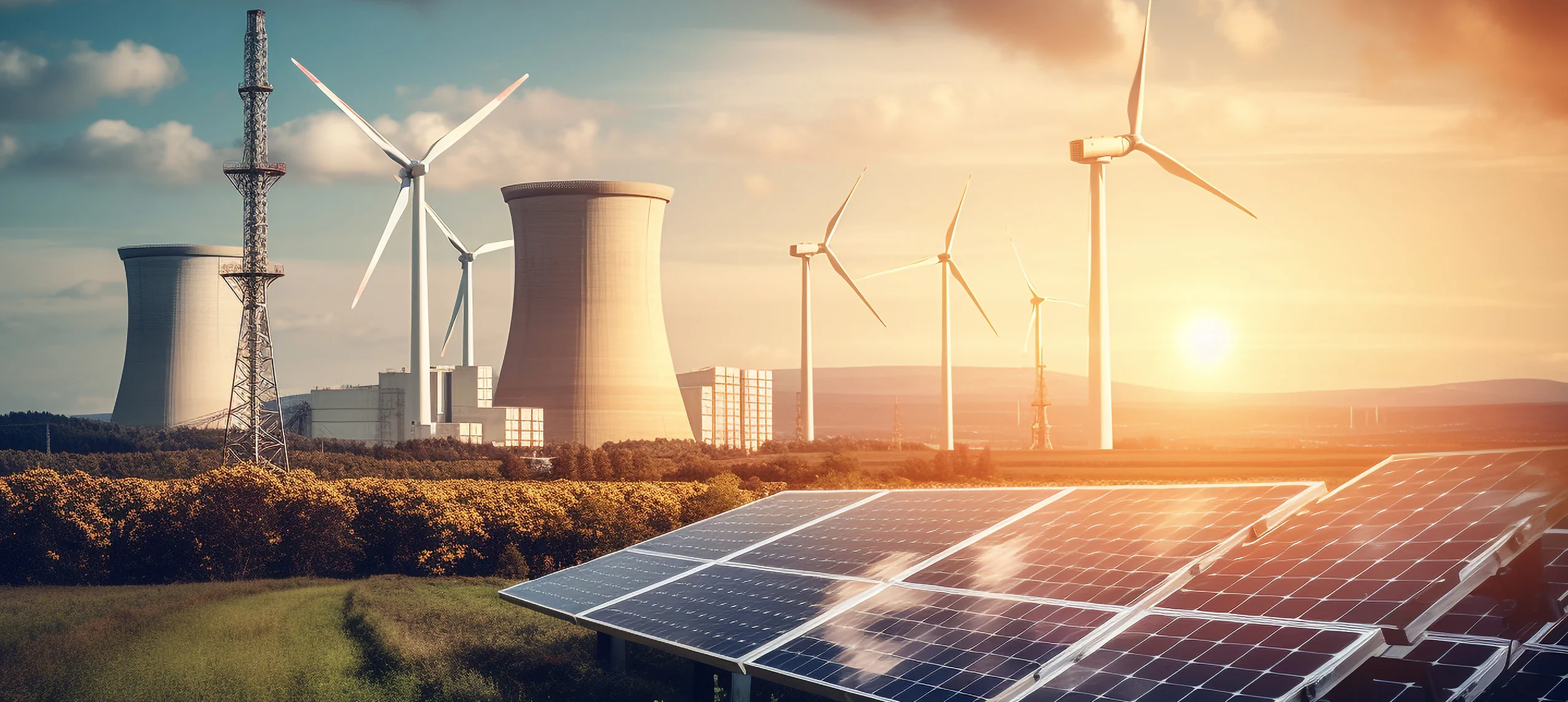
Powering the Future: The Pivotal Role of Electrical Engineers in Renewable Energy
Think about a world where the sun rays and ocean breezes generate endless power, banishing fossil fuels to history books.
This isn't science fiction—it's the renewable energy revolution unfolding today. At its heart? Electrical engineers, the masterminds who design, optimize, and scale systems that harness nature's gifts. As global demand for clean power surges, these professionals stand as unsung heroes, blending cutting-edge tech with environmental stewardship. From rooftop solar panels to massive offshore wind farms, electrical engineers are redefining energy landscapes, creating jobs, and steering us toward a sustainable tomorrow.



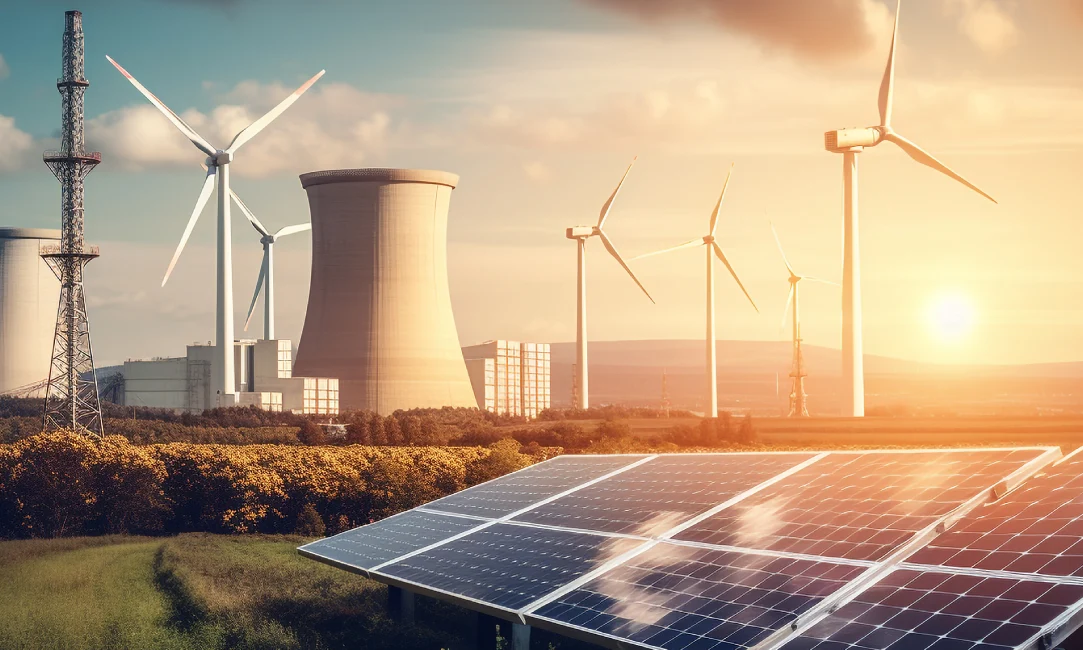
Harnessing the Sun: Solar Careers in Full Swing
Solar careers are exploding, and electrical engineers lead the charge. They design photovoltaic (PV) systems that convert sunlight into electricity, tackling challenges like efficiency losses and grid integration. Picture this: an electrical engineer at a solar farm wiring inverters that synchronize DC output from panels to AC for homes and factories. Their expertise ensures maximum yield, even on cloudy days, using tools like maximum power point tracking (MPPT) algorithms.
These pros don't stop at installation. They innovate clean energy systems, incorporating energy storage solutions like lithium-ion batteries or emerging solid-state tech. In India, where solar capacity hit 85 GW by 2025, electrical engineers optimize microgrids for rural villages, powering schools and hospitals off-grid. Careers here span startups to giants like Adani Green, offering roles in system design, maintenance, and R&D. With solar projected to dominate 40% of global energy by 2030, demand for skilled engineers is skyrocketing—think salaries starting at ₹8-12 lakhs annually for freshers, scaling to ₹25 lakhs+ with experience.
Riding the Wind: Thrilling Wind Energy Jobs
Shift gears to the skies, where wind energy jobs beckon adventurous electrical engineers. Offshore and onshore turbines tower like modern windmills, generating gigawatts from air currents. Engineers here master complex power electronics, designing generators that convert mechanical rotation into stable electricity. They handle high-voltage transmission, ensuring power flows seamlessly to urban grids without blackouts.
Challenges? Plenty. Turbines face harsh weather, so electrical engineers engineer fault-tolerant systems with SCADA (Supervisory Control and Data Acquisition) for real-time monitoring. In gusty regions like Gujarat's coasts, they pioneer floating wind platforms, integrating AI for predictive maintenance. Wind energy jobs aren't just technical—they're global. From Siemens Gamesa in Europe to Suzlon in India, opportunities abound in commissioning, retrofitting, and blade pitch control. With wind capacity eyeing 1 TW worldwide by 2027, these roles promise adventure, travel, and impact, with mid-level pay hovering at ₹15-30 lakhs.
The Backbone of Sustainability Engineering
Sustainability engineering is where electrical engineers truly shine, weaving renewables into resilient infrastructures. They pioneer green power networks by upgrading aging grids for bidirectional flow—essential as prosumers (producers + consumers) feed excess solar or wind back into the system. Smart grids, powered by IoT sensors and machine learning, allow engineers to balance supply-demand dynamically, slashing waste by 20-30%.
Take battery energy storage systems (BESS): electrical engineers optimize charging cycles to store daytime solar surplus for nighttime use, stabilizing frequencies in volatile renewable setups. They also drive electrification—think EV charging stations integrated with wind farms. In sustainability engineering, pros use software like ETAP or PSCAD to simulate scenarios, ensuring zero downtime. This field demands interdisciplinary skills: circuit design meets environmental modeling, creating pathways to leadership in net-zero projects.
Building Robust Clean Energy Systems
At the core of the revolution lie clean energy systems, demanding electrical engineers' precision. These systems encompass hybrid setups blending solar, wind, hydro, and biomass for round-the-clock reliability. Engineers design power converters, transformers, and protection relays to handle variable inputs, preventing overloads that could cascade into blackouts.
Innovation thrives here. Engineers experiment with high-voltage direct current (HVDC) lines for long-distance transmission, minimizing losses over 1,000+ km—vital for India's national grid ambitions. They also tackle cybersecurity, fortifying clean energy systems against hacks with blockchain-secured protocols. Hands-on roles include prototyping in labs, field-testing prototypes, and scaling via 3D modeling. The payoff? Transformative impact, like powering 1.3 billion Indians sustainably, while careers evolve into consulting for UN climate initiatives.
Challenges and the Engineer’s Edge
Renewables aren't without hurdles. Intermittency plagues solar and wind, requiring electrical engineers to innovate forecasting tools using weather data and neural networks. High upfront costs demand cost-cutting via efficient topologies, like wide-bandgap semiconductors (GaN, SiC) that boost inverter efficiency to 99%.
Policy plays a role too—navigating subsidies and regulations sharpens engineers' strategic skills. Yet, their edge lies in adaptability: from coding Python scripts for automation to collaborating on ESG reports. This versatility opens doors to solar careers, wind energy jobs, and beyond, positioning them as indispensable in the $1.7 trillion green economy.
Skills to Thrive in the Green Revolution
Aspiring electrical engineers, gear up! Master power systems, MATLAB/Simulink for simulations, and renewables-specific certs like NABCEP for solar. Soft skills—problem-solving, teamwork—seal the deal for sustainability engineering roles. Internships at NTPC or ReNew Power build resumes, while online courses on Coursera demystify green power.
India's 500 GW renewable target by 2030 means 1 million+ jobs. Electrical engineers who embrace this will not only secure lucrative paths but pioneer a cleaner planet.
Conclusion: Igniting Your Clean Energy Journey
Electrical engineers are the architects of tomorrow's green power world, turning solar careers, wind energy jobs, and sustainability engineering into reality through masterful clean energy systems. Their work promises energy security, job booms, and a healthier Earth—join the movement.
For top-tier training in this domain, GLA University stands out with its cutting-edge electrical engineering program, blending theory, labs, and industry tie-ups to produce renewable energy leaders. Its focus on practical projects in solar, wind, and smart grids equips students for high-impact roles—making it an ideal launchpad for your green career.


Admission Open For
B.Tech
2027
Start your journey with us
Apply OnlineGet In Touch With Us
 Virtual Tour
 B.Tech Programs
UG Programs
Lateral Entry
M.Tech Programs
PG Programs
Doctoral Programs
Diploma Programs
Admissions Helpline

-

-

-

-

17km Stone, NH-19, Mathura-Delhi Road, P.O.
Chaumuhan, Mathura-281 406, (U.P.) INDIA