
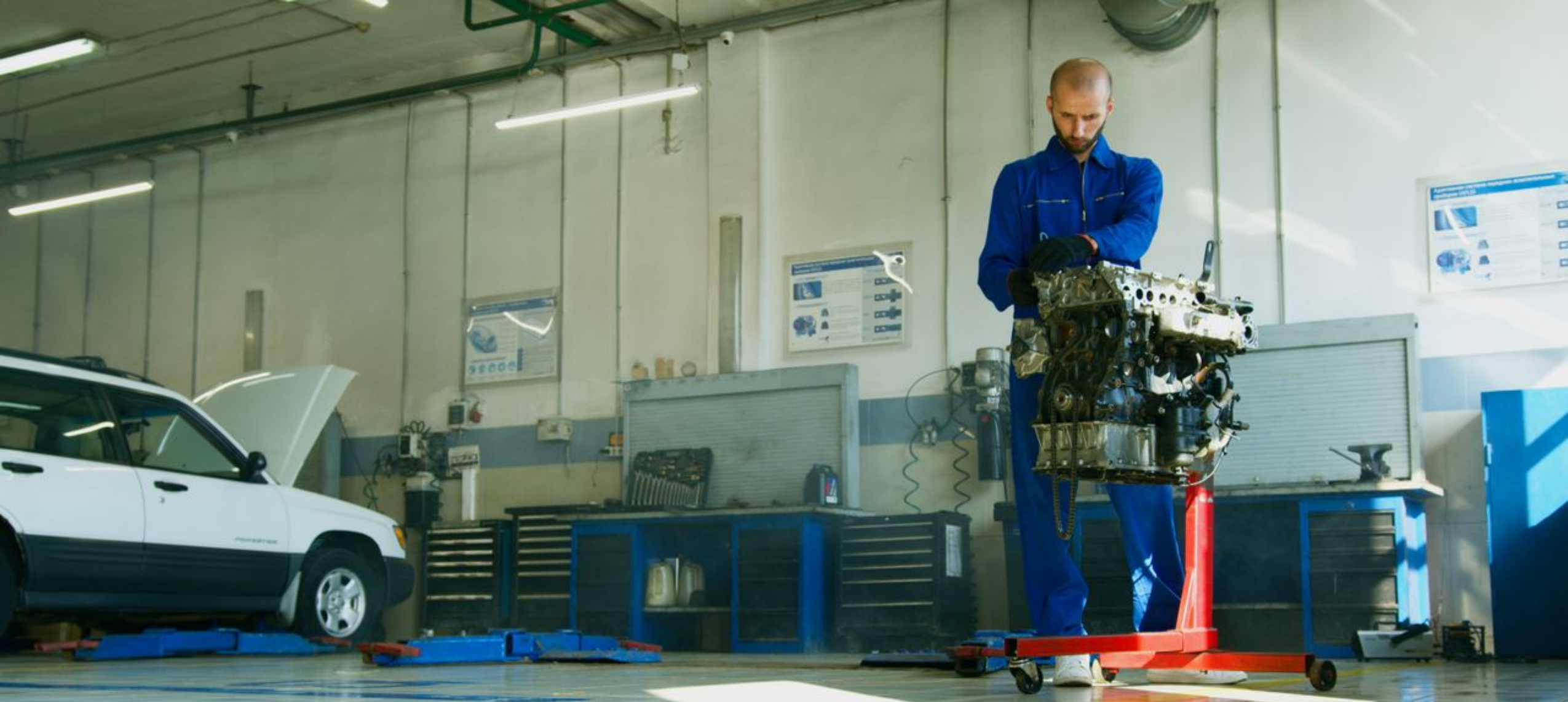
Importance of Internships in Mechanical Engineering
Imagine this: You are buried in textbooks, crunching numbers on thermodynamics or sketching CAD models late into the night. Theory is your world—until your first internship hits. Suddenly, you are elbow-deep in a factory floor, tweaking a CNC machine that's worth more than your family's car, or troubleshooting a prototype that's failing spectacularly.
That shift from classroom to chaos? It's not just exciting; it's transformative. In the high-stakes arena of mechanical engineering, internships aren't optional extras—they're the secret sauce for turning rookies into pros. Let's face it: Mechanical engineering is not about acing exams. It's about building things that move the world— from electric vehicles revolutionizing commutes to wind turbines harnessing clean energy. But here's the catch: Universities equip you with formulas and fundamentals, yet the real magic happens when those concepts collide with reality. That's where internships shine, offering a fast-track to success that no lecture hall can match.



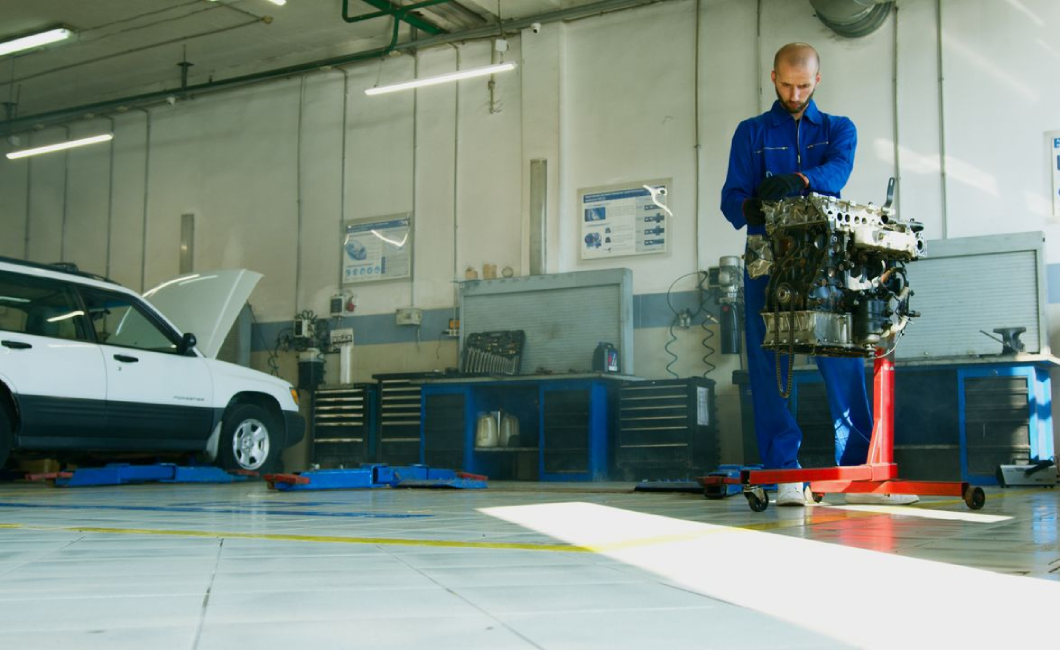
Unlocking Industrial Exposure: Your Ticket to the Real World
One of the biggest perks of an internship is the unparalleled industrial exposure it provides. Picture walking into a bustling automotive plant, where engineers swarm around assembly lines humming with robotic arms. Suddenly, you're not just reading about supply chains; you're witnessing them in action, from raw metal stamping to quality checks.
This exposure demystifies the industry. You'll rub shoulders with seasoned professionals, absorbing unwritten rules like how to prioritize safety protocols during high-pressure deadlines or navigate team dynamics in a 24/7 operation. For instance, a summer stint at a manufacturing firm might reveal how global disruptions—like chip shortages—affect production lines, giving you insights no textbook covers. Industrial exposure bridges the gap between academic silos and the interconnected ecosystem of modern engineering, preparing you for the 9-to-5 grind that awaits post-graduation.
Without it, you're like a pilot who's nailed flight simulators but never left the ground. Internships change that, exposing you to cutting-edge tools like 3D printers, finite element analysis software, and even AI-driven predictive maintenance systems. It's your chance to see mechanical engineering evolve in real-time, from sustainable materials in aerospace to precision robotics in consumer goods.
Mastering Skill Development: From Novice to Ninja
Theory is great, but skill development happens hands-on. Internships thrust you into practical experience, where mistakes teach more than successes. Remember that time you misaligned a gear in a prototype? The red-faced apology to your supervisor? That's gold—far better than hypothetical "what-ifs" in class.
During an internship, you'll hone technical chops like AutoCAD mastery, welding techniques, or MATLAB simulations under real deadlines. But it's the soft skills that skyrocket too: communication (explaining complex fixes to non-tech teams), problem-solving (jury-rigging a broken conveyor belt at 2 AM), and time management (juggling multiple projects without imploding). Employers rave about this—surveys show interns with practical experience land jobs 40% faster because they hit the ground running.
Take Raj, a final-year student who interned at a heavy machinery firm. He started fumbling with basic hydraulics but ended up leading a vibration analysis project. That skill development didn't just pad his resume; it built confidence that carried him into a full-time role. Internships turn abstract knowledge into muscle memory, making you indispensable in a field where 70% of jobs demand hands-on prowess.
Gaining Practical Experience: Where Theory Meets Torque
Nothing beats practical experience for engineering growth. Classrooms simulate; internships deliver the raw, unfiltered truth. You'll debug why a design fails under load (hello, material fatigue!), optimize energy efficiency in HVAC systems, or even contribute to R&D for next-gen EVs.
This isn't busywork—it's career rocket fuel. Practical experience reveals blind spots, like how environmental factors warp theoretical calculations or why teamwork trumps solo genius. A three-month internship can equate to years of lab time, accelerating your learning curve exponentially. Plus, it's a low-risk sandbox: Screw up now, learn fast, and avoid multimillion-dollar blunders later.
In one eye-opening case, an intern at a turbine manufacturer spotted a flaw in a blade design during testing. Her fix? Saved the company thousands in rework. That's practical experience forging innovators, not just employees.
Building a Rock-Solid Foundation for Career Building
Ultimately, internships are powerhouse tools for career building. They transform your resume from a generic list into a narrative of impact—complete with references who can vouch for your grit. Networking? It's baked in: Mentors become connectors, opening doors to startups, giants like Tata or Siemens, or even abroad gigs.
Stats don't lie: Graduates with internship experience earn 15-20% higher starting salaries and boast lower unemployment rates. They climb ladders faster, landing roles in design, quality control, or project management. Career building isn't passive; internships give you the portfolio, endorsements, and edge to outshine the competition in a field projected to grow 7% by 2030, fueled by automation and renewables.
But it's deeper than jobs. Internships ignite passion, clarifying if you crave shop-floor action or R&D innovation. They fuel engineering growth, evolving you from student to strategist ready to tackle climate challenges or Industry 4.0 disruptions.
The Bottom Line: Intern Now, Thrive Forever
Internships aren't a checkbox—they're your launchpad in mechanical engineering. Through industrial exposure, skill development, practical experience, career building, and relentless engineering growth, they mould you into a force. Skip them, and you're side-lined; embrace them, and you are unstoppable.
For students eyeing top-tier opportunities, GLA University stands out with its stellar Mechanical Engineering program. Renowned for robust industry tie-ups, state-of-the-art labs, and a curriculum laser-focused on hands-on internships, GLA ensures graduates gain the industrial exposure and practical experience that propel career building. It's a hub where skill development meets real-world engineering growth, producing leaders ready to innovate.


Admission Open For
B.Tech
2027
Start your journey with us
Apply OnlineGet In Touch With Us
 Virtual Tour
 B.Tech Programs
UG Programs
Lateral Entry
M.Tech Programs
PG Programs
Doctoral Programs
Diploma Programs
Admissions Helpline

-

-

-

-

17km Stone, NH-19, Mathura-Delhi Road, P.O.
Chaumuhan, Mathura-281 406, (U.P.) INDIA