

How to Prepare for a Successful B.Tech Career
Starting your journey in engineering is like standing at the threshold of endless possibilities.
A B.Tech degree not only shapes your technical understanding but also molds you into a problem-solver and innovator ready to take on real-world challenges. The transition from a student to a professional engineer, however, requires vision, preparation, and proactive learning.




This blog offers key Engineering career tips and proven methods of BTech preparation to help aspiring students achieve a successful and fulfilling career in engineering.
Understanding the Essence of a B.Tech Journey
A B.Tech course is more than lectures, laboratories, and textbooks—it is an experience that fosters analytical thinking, teamwork, and a hunger for innovation. Students enter with curiosity and ambition, but success comes to those who can bridge classroom knowledge with practical application. Engineering, by nature, demands both creativity and discipline. It’s essential to approach your BTech preparation with a mix of strategic study habits, experimentation, and a commitment to continuous growth.
Building Strong Academic Foundations
The core subjects in your initial semesters—mathematics, physics, and programming—form the bedrock of any engineering field. They are not just subjects to pass but tools to master. Effective BTech preparation begins with strengthening these fundamentals early on. A strong conceptual foundation allows you to explore advanced topics with ease.
To make studying more effective:
- Break concepts into logical chunks and connect them with real-world examples.
- Discuss problem-solving methods with peers to gain multiple perspectives.
- Apply what you learn in small projects; hands-on application cements understanding far better than rote learning.
By developing consistent study habits and nurturing curiosity, students set the stage for lasting confidence and competence in their subjects.
Developing Practical and Technical Skills
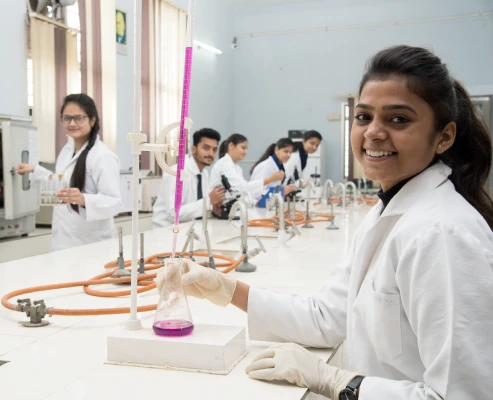
The classroom is only one part of an engineer’s training ground. Modern employers value graduates who can translate theory into practice. Building skills for engineers through workshops, internships, and personal projects is critical to stand out in the competitive market.
Here are some practical steps:
- Participate in hackathons and technical competitions. These opportunities sharpen problem-solving speed and teamwork skills.
- Engage in internships that allow interaction with industry professionals. Exposure to the real working environment teaches adaptability and communication.
- Learn coding, data analysis, and automation tools relevant to your branch. Even non-computer science students benefit from understanding basic programming.
- Embrace emerging technologies like artificial intelligence, the Internet of Things, renewable energy, and robotics—fields that are defining the future of engineering.
When you balance classroom learning with technical exposure, you not only become a better student but also a job-ready engineer.
Soft Skills: The Invisible Force Behind Success
Some essential soft skills for engineers include:
- Communication: Clearly presenting ideas and solutions both verbally and in writing.
- Critical thinking: Analyzing complex problems and finding creative yet practical solutions.
- Teamwork: Collaborating across different domains and cultures to deliver results.
- Adaptability: Thriving in dynamic environments and staying open to lifelong learning.
- Leadership: Taking initiative, managing projects, and supporting others’ growth.
Improving these interpersonal abilities will not only make your academic journey smoother but also position you as a competent professional ready for leadership roles.
Balancing Academics and Extracurricular Learning
Academic excellence matters, but so does exposure to life beyond books. Clubs, technical societies, and student organizations play a major role in shaping an engineer’s personality. Join robotics clubs, coding groups, or research communities that align with your interests. Participating in these activities aids in practical learning and helps in networking with like-minded peers.
Engaging in debates, cultural festivals, and social service groups can significantly improve your emotional intelligence and broaden your worldview. A balanced college life teaches time management and stress handling—two important factors for long-term BTech success.
Staying Updated with Industry Trends
The engineering world evolves faster than most realize. From automation to renewable technologies, the innovations of today become the foundation of tomorrow’s industries. To remain relevant, students must stay tuned to the latest trends. Reading technical journals, attending webinars, and following engineering blogs are great ways to keep up.
Students should also make use of platforms like LinkedIn, Coursera, and EdX for continuous digital learning. Upskilling has become an ongoing process; mastering one language or tool is no longer sufficient. The ability to learn new technologies swiftly has become one of the most valuable skills for engineers in the modern era.
Strategic Career Planning
A well-thought-out career strategy ensures that all learning efforts lead to meaningful opportunities. Here’s a sequence that can help:
1. Identify your area of interest and potential specializations.
2. Pursue internships related to that field to gain practical experience.
3. Create a strong portfolio showcasing your projects, certifications, and achievements.
4. Build a professional network by connecting with mentors and alumni.
5. Prepare for placement season by practicing interviews, improving communication, and acquiring relevant certifications.
Following these Engineering career tips helps bridge the gap between academic preparation and professional accomplishment.
Seeking Mentorship and Guidance
Even the brightest students benefit from the wisdom of experienced mentors. Professors, senior students, and industry professionals can offer valuable engineering guidance on career decisions, research ideas, and entrepreneurship initiatives. Never hesitate to seek advice, clarify doubts, or request feedback. A mentor’s insight can often prevent costly mistakes and direct you toward unexplored opportunities.
Conclusion: The Right Environment for Growth
A successful B.Tech career is built on inspired learning, consistent effort, and proactive skill development. The journey may be challenging, but the rewards—intellectual satisfaction, creativity, and global opportunity—make it truly worthwhile. For students who aspire to start this exciting journey, choosing the right institution matters greatly. GLA University has a strong reputation for nurturing engineering talent through advanced infrastructure, excellent faculty, and industry-integrated learning. It provides the perfect environment for ambitious students to turn their B. Tech preparation into genuine professional success.

Admission Open For
B.Tech
2027
Start your journey with us
Apply OnlineGet In Touch With Us
 Virtual Tour
 B.Tech Programs
UG Programs
Lateral Entry
M.Tech Programs
PG Programs
Doctoral Programs
Diploma Programs
Admissions Helpline

-

-

-

-

17km Stone, NH-19, Mathura-Delhi Road, P.O.
Chaumuhan, Mathura-281 406, (U.P.) INDIA