
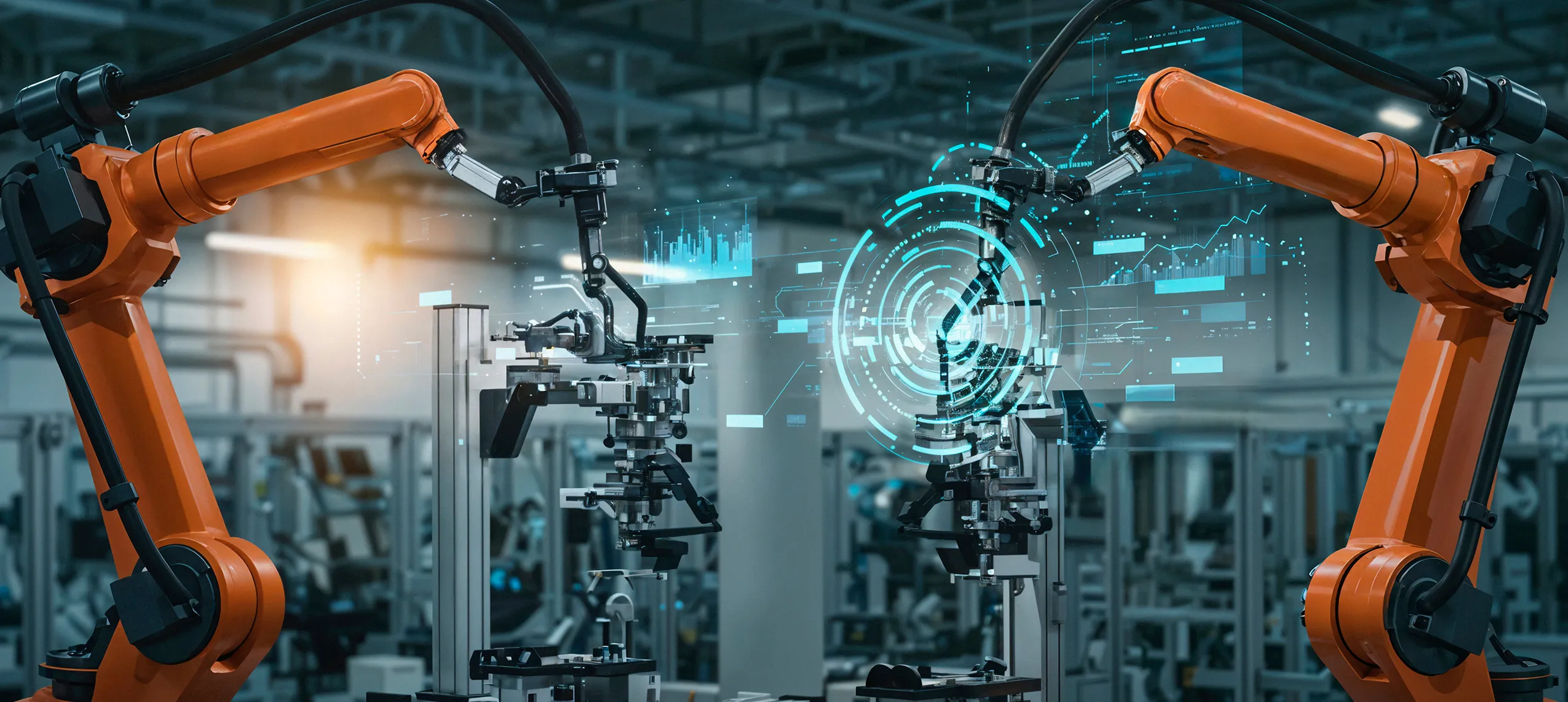
How Mechanical Engineering Drives Industry 4.0
Exploring the transformative impact of mechanical engineering on Industry 4.0 reveals an exciting journey of innovation and technological evolution.
Industry 4.0 trends are reshaping the manufacturing landscape, and mechanical engineers are at the heart of this revolution, driving progress in robotics ME, smart manufacturing, and new-age automation. This blog dives into how mechanical engineering enables this paradigm shift, creating fresh opportunities for professionals and advancing industrial capabilities worldwide.



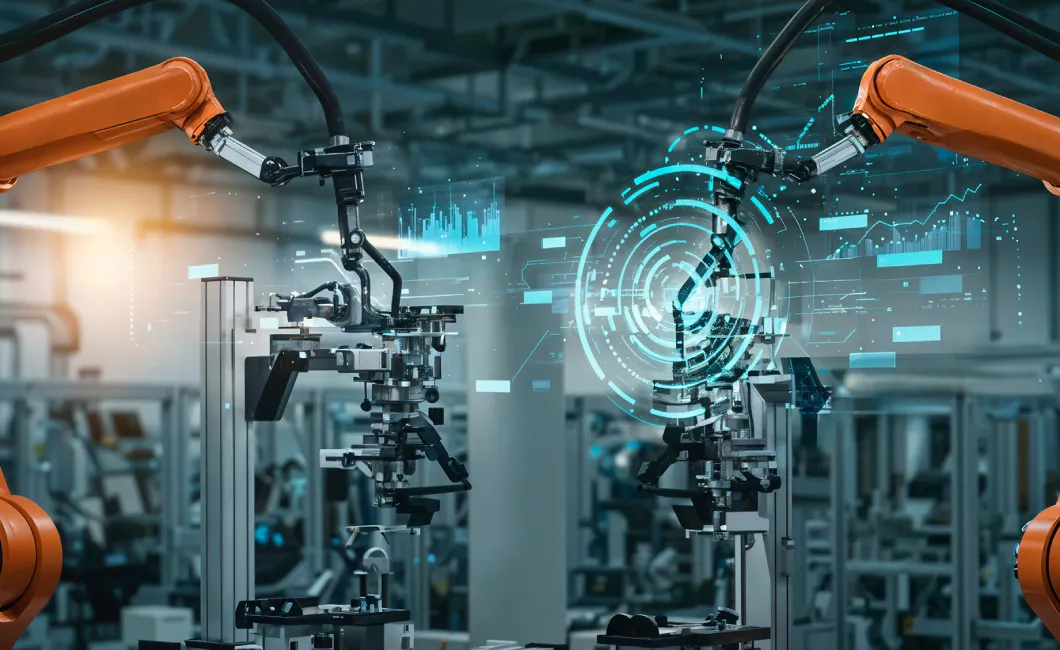
Understanding Industry 4.0 and Its Significance
The term Industry 4.0 defines the fourth industrial revolution, characterized by the fusion of traditional manufacturing with smart digital technologies. This era leverages cyber-physical systems, the Internet of Things (IoT), cloud computing, and artificial intelligence to create highly automated, connected, and efficient production environments.
Mechanical engineering plays a pivotal role here, as it integrates these advanced technologies with mechanical design and manufacturing principles. The synergy between mechanical systems and intelligent digital control has paved the way for revolutionary changes in how products are designed, made, and optimized.
Robotics ME: The Backbone of Modern Industry
One of the most significant Industry 4.0 trends is the integration of robotics ME—where mechanical engineering principles are used to develop robots that can perform complex tasks with precision, speed, and consistency. These robots are no longer limited to simple repetitive tasks; now, they possess sensors and AI-driven adaptive capabilities allowing them to undertake intricate assembly, quality control, and maintenance tasks.
From automotive assembly lines to electronics manufacturing, mechanical engineers design robotic systems that interact intelligently with their environment. This advancement significantly boosts productivity, reduces human error, and improves workplace safety. It also expands the scope of what factories can achieve, allowing them to produce customized batches efficiently and cost-effectively.
Smart Manufacturing: Creating Intelligent and Adaptive Factories
At the heart of Industry 4.0 lies smart manufacturing, a concept that emphasizes interconnectedness and real-time data exchange within manufacturing processes. Mechanical engineering innovation enables smart factories through the development of modular machines and intelligent automation systems that communicate with each other over IoT networks.
These systems gather and analyze data about machine performance, workflow efficiency, and maintenance needs. Mechanical engineers use this data to design adaptive manufacturing setups that optimize energy usage, reduce waste, and anticipate equipment failures before they happen.
This dynamic system isn’t just faster; it’s smarter, fostering continuous improvement and agility in production lines that respond to market demands instantly. Smart manufacturing also supports sustainable practices by minimizing resource consumption and supporting recycling initiatives, critical goals for modern industries.
Bridging Traditional Skills with Digital Technologies
Mechanical engineers are uniquely positioned to bridge classic mechanical skills with the demands of digital technologies. Their ability to understand mechanical systems' physical behavior and integrate sensors, actuators, and networked controls is crucial for Industry 4.0's success.
This integration creates cyber-physical systems where mechanical elements are monitored and controlled remotely using data-driven decision-making, enhancing reliability and efficiency. Mechanical engineers also collaborate with software developers, data scientists, and AI specialists, highlighting the interdisciplinary nature of current engineering innovation.
The Road Ahead for Mechanical Engineering in Industry 4.0
Looking forward, the role of mechanical engineering in Industry 4.0 trends will only deepen. Emerging technologies like collaborative robots (cobots), edge computing, and digital twins are set to transform manufacturing environments further. Mechanical engineers will continue to innovate around these technologies, developing systems that are safer, more efficient, and adaptive.
Sustainability will also become a central focus, with engineers designing eco-friendly, energy-efficient machines and processes. The capability to harness big data and AI for predictive maintenance and process optimization promises to redefine operational excellence standards.
Conclusion: GLA University and Mechanical Engineering Excellence
In this dynamic landscape, aspiring mechanical engineers seeking to enter the world of robotics ME, smart manufacturing, and automation will find excellent training grounds in institutions excelling in advanced engineering curricula. GLA University, in particular, has emerged as a leading center cultivating talent well-versed in the latest Industry 4.0 trends. Their programs emphasize hands-on experience with cutting-edge technologies and foster a culture of continuous engineering innovation. This prepares students not only to build a rewarding career in automation careers but also to contribute meaningfully to the future of global manufacturing.


Admission Open For
B.Tech
2027
Start your journey with us
Apply OnlineGet In Touch With Us
 Virtual Tour
 B.Tech Programs
UG Programs
Lateral Entry
M.Tech Programs
PG Programs
Doctoral Programs
Diploma Programs
Admissions Helpline

-

-

-

-

17km Stone, NH-19, Mathura-Delhi Road, P.O.
Chaumuhan, Mathura-281 406, (U.P.) INDIA