
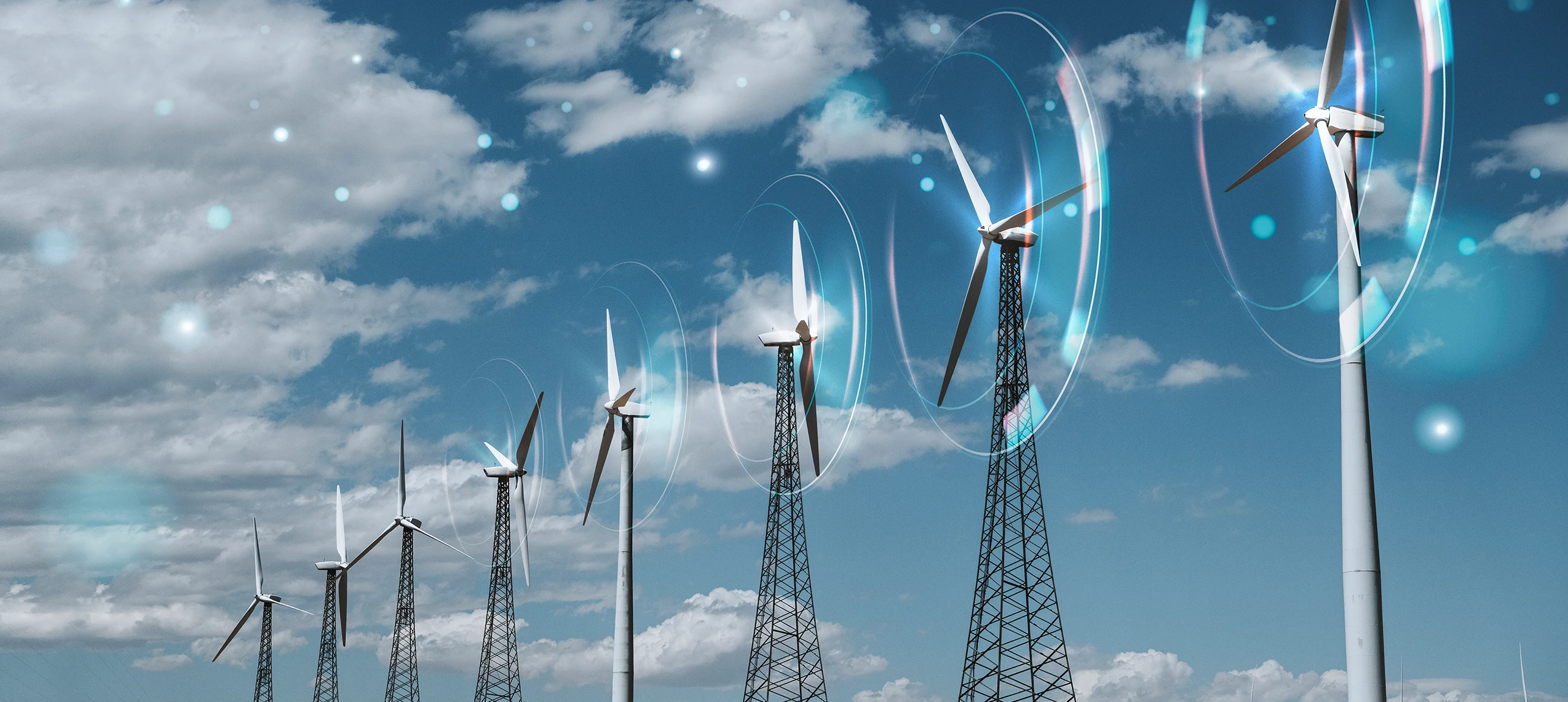
Future of Smart Grid Technology: Powering the Next Generation of Energy
The global energy landscape is undergoing a powerful transformation. Rising electricity demand, integration of renewable sources, and the need for efficient energy management are driving innovation like never before.
At the center of this evolution lies smart grids—an intelligent, adaptive approach to managing electricity networks. Unlike traditional power systems, smart grids combine digital communication, automation, and analytics to create a more reliable, sustainable, and responsive energy ecosystem. The future of energy depends heavily on how effectively these systems are designed, deployed, and managed.



Understanding Smart Grid Technology
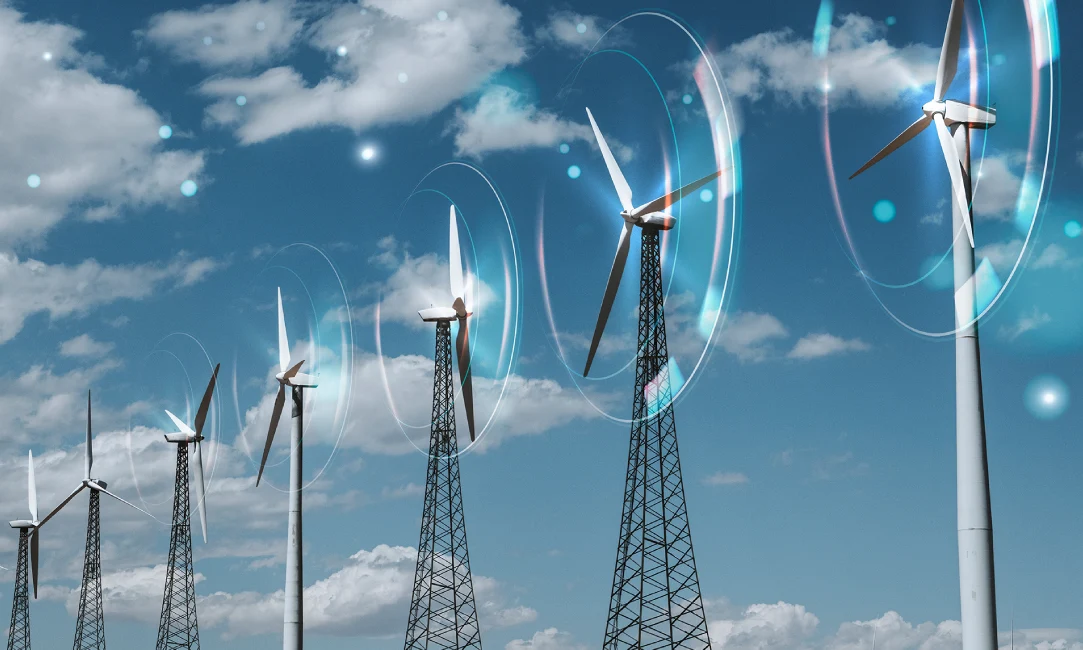
At its core, a smart grid is an advanced electricity network that uses sensors, smart meters, control systems, and communication technologies to monitor and manage the flow of electricity in real time. These grids enable two-way communication between utilities and consumers, allowing better demand forecasting, fault detection, and energy optimization.
As electrical infrastructure becomes more complex, smart grids play a crucial role in ensuring stability while accommodating renewable energy sources such as solar and wind. This shift is redefining how electricity is generated, transmitted, distributed, and consumed.
Evolution from Traditional Grids to Smart Grids
Traditional power grids were designed for one-way electricity flow—from power plants to consumers. While effective in the past, they struggle to meet modern energy challenges. Smart grids, on the other hand, are built to support modern power systems that are decentralized, data-driven, and flexible.
The transition includes:
- Replacement of manual monitoring with automated systems
- Integration of digital communication networks
- Use of advanced analytics for predictive maintenance
- Greater consumer participation in energy management
This evolution marks a significant milestone in the future of energy distribution and control.
Role of Digitalization and Automation
Digital technologies are the backbone of smart grids. Sensors and intelligent electronic devices continuously collect data, while automated control systems respond instantly to fluctuations in supply and demand. This reduces outages, improves power quality, and minimizes energy losses.
SWith the rise of energy technology trends such as artificial intelligence, machine learning, and the Internet of Things (IoT), smart grids are becoming even more intelligent. These technologies enable utilities to predict failures before they occur, balance loads dynamically, and optimize energy flows with unprecedented accuracy.
Industry-Oriented Skill Development
Modern BBA programs focus heavily on practical learning. Internships, live projects, case studies, and industry interactions are integral parts of the curriculum. These experiences help students understand real-world business challenges and develop problem-solving skills.
Employers today look beyond academic knowledge. They seek candidates who can think critically, work in teams, and adapt to changing environments. BBA graduates, with their holistic training, are well-equipped to meet these expectations and build successful future careers.
Integration of Renewable Energy Sources
One of the most promising aspects of smart grids is their ability to integrate renewable energy seamlessly. Solar panels, wind farms, and energy storage systems introduce variability into the grid. Smart grids manage this variability by adjusting supply and demand in real time.
This capability supports a cleaner energy mix and reduces dependence on fossil fuels. As renewable adoption grows, smart grids will be essential in maintaining grid stability while advancing sustainability goals.
Enhanced Consumer Participation
The future of smart grids is not just about technology—it’s also about people. Smart meters and digital platforms empower consumers to track their energy usage, adjust consumption patterns, and even sell excess power back to the grid.
This shift transforms consumers into “prosumers,” actively participating in the energy ecosystem. Such engagement leads to improved energy efficiency, lower costs, and a more resilient grid.
Cybersecurity and Grid Resilience
As grids become smarter, they also become more vulnerable to cyber threats. Protecting data and infrastructure is a top priority in smart grid development. Advanced encryption, secure communication protocols, and continuous monitoring are essential components of future-ready grids.
Resilience is another key focus. Smart grids can isolate faults, reroute power, and restore services quickly during natural disasters or system failures, ensuring uninterrupted electricity supply for critical services.
Career Opportunities and Innovation in Smart Grids
The rapid expansion of smart grid technology is creating exciting opportunities for electrical engineers. Designing intelligent networks, developing automation systems, and working on grid analytics are just a few areas where professionals can make a significant impact.
This wave of EE innovation demands strong technical knowledge, problem-solving skills, and an understanding of emerging technologies. Engineers working in this domain contribute directly to building sustainable and efficient energy systems for the future.
The Road Ahead for Smart Grid Technology
Looking ahead, smart grids will continue to evolve with advancements in digital twins, edge computing, and decentralized energy markets. Governments and utilities worldwide are investing heavily in upgrading existing grids to smarter versions, recognizing their role in economic growth and environmental protection.
The future promises grids that are self-healing, adaptive, and capable of supporting electric vehicles, smart cities, and large-scale renewable integration—all while ensuring affordability and reliability.
Conclusion: Shaping the Energy Leaders of Tomorrow
The future of smart grids is bright, transformative, and full of possibilities. As modern power systems redefine global energy management, skilled engineers will be the driving force behind innovation and sustainability. Institutions like GLA University are playing a vital role in preparing students for this future by offering strong academic foundations and practical exposure in smart grid technology and advanced electrical engineering, making it an excellent choice for those aspiring to lead the next wave of energy transformation.


Admission Open For
B.Tech
2027
Start your journey with us
Apply OnlineGet In Touch With Us
 Virtual Tour
 B.Tech Programs
UG Programs
Lateral Entry
M.Tech Programs
PG Programs
Doctoral Programs
Diploma Programs
Admissions Helpline

-

-

-

-

17km Stone, NH-19, Mathura-Delhi Road, P.O.
Chaumuhan, Mathura-281 406, (U.P.) INDIA