
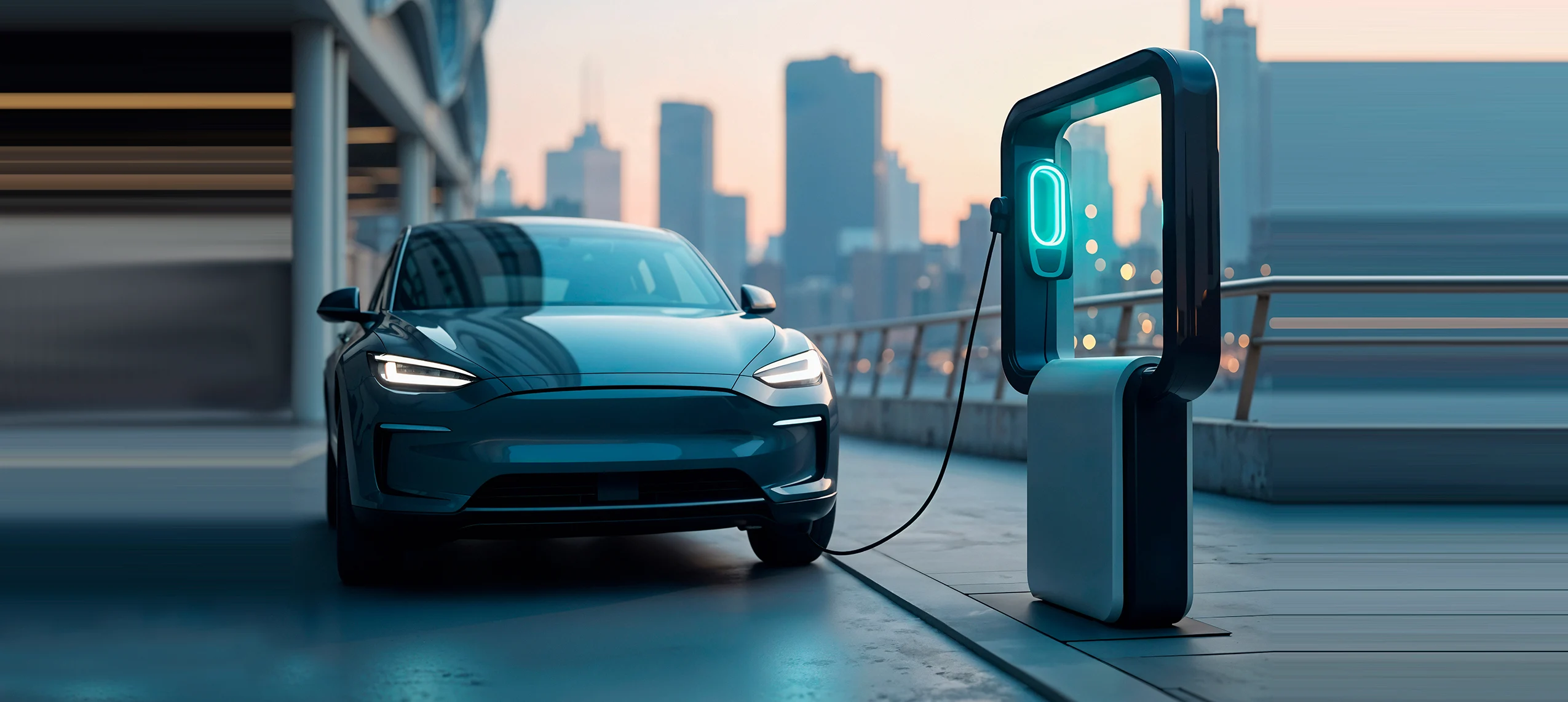
The Electrifying Rise of Electric Vehicles: A Game-Changer for Engineering Students
Imagine zipping through city streets in a silent, zero-emission machine that charges faster than you can grab coffee.
That's the world of electric vehicles (EVs), and it's not science fiction—it's the future unfolding right now. The global EV jobs market is exploding, with projections estimating millions of new roles by 2030 as automakers race to electrify their fleets. For electrical engineering (EE) students, this isn't just a trend; it's a golden ticket to electrical mobility careers that blend innovation, sustainability, and serious earning potential.



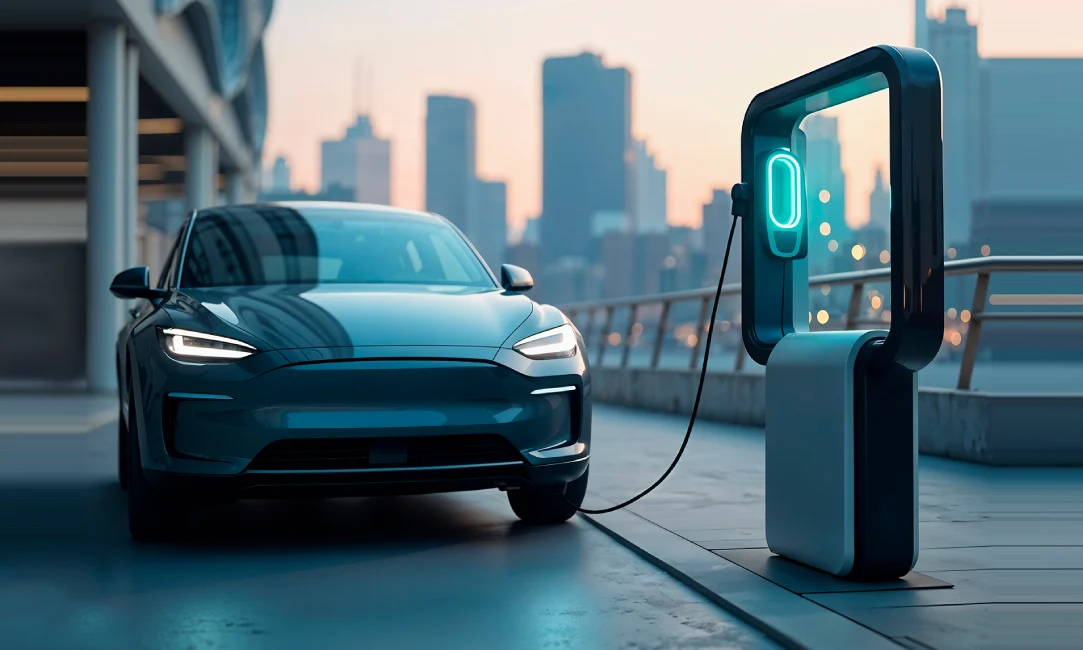
EV Jobs: Where Demand Meets Opportunity
EV jobs are popping up everywhere, from startups tinkering with next-gen prototypes to giants like Tesla and Tata Motors scaling production. Entry-level roles like EV technician or junior design engineer start at competitive salaries—often $60,000-$80,000 annually in the US, with even higher premiums in specialized hubs like Silicon Valley or Pune's auto corridor.
What makes these jobs irresistible? Variety. You'll troubleshoot high-voltage systems one day and optimize charging networks the next. Mid-career pros climb to roles like systems architect or project lead, commanding six figures. In India alone, the EV sector could generate 5 million EV jobs by 2030, per industry forecasts, spanning manufacturing, R&D, and after-sales.
EE students stand out because EVs demand expertise in power electronics, not just mechanical know-how. Picture yourself as the brain behind a vehicle's brain—designing inverters that convert DC to AC for smooth propulsion. The best part? These roles prioritize hands-on projects from your college portfolio over rote resumes.
Mastering Battery Management Systems: The Heart of EVs
At the core of every EV lies the battery management systems (BMS), the unsung hero ensuring safe, efficient power delivery. These smart systems monitor cell health, balance charges, and prevent thermal runaway—think of them as the EV's vigilant guardian.
For EE students, diving into BMS opens doors to high-impact EV jobs. You'll work with lithium-ion packs, algorithms for state-of-charge estimation, and cooling tech to extend battery life beyond 500,000 km. Tools like MATLAB/Simulink let you simulate real-world scenarios, from fast-charging spikes to extreme temperatures.
Why is this exploding? Battery costs have plummeted 89% since 2010, making EVs cheaper than gas guzzlers. Innovations like solid-state batteries promise 1,000 km ranges and 10-minute charges. EE grads who prototype BMS in labs today will lead tomorrow's breakthroughs, securing electrical mobility careers at firms like Rivian or Ola Electric.
Powering Up with Automotive Electronics
EVs aren't just batteries on wheels—they're rolling supercomputers. Automotive electronics form the nervous system, integrating sensors, ECUs (electronic control units), and ADAS (advanced driver-assistance systems) for autonomous driving.
EE students thrive here, applying knowledge of microcontrollers, CAN bus protocols, and power semiconductors. Imagine coding firmware for regenerative braking, which recaptures 20-30% of energy, or designing wireless charging pads that beam power at 11 kW. These systems cut energy loss by 15%, directly boosting range.
The future technology edge? Vehicle-to-grid (V2G) tech turns EVs into home power banks, stabilizing grids during peaks. With cybersecurity threats rising, roles in secure electronics are booming too. Hands-on experience with Arduino or PCB design during your degree? That's your fast-track to EV jobs in automotive electronics.
Charting Electrical Mobility Careers: Skills and Strategies
Building a standout electrical mobility careers path starts now. Core skills include:
- Power electronics: Converters, inverters, and motor drives.
- Embedded systems: For real-time control in harsh environments.
- Renewable integration: Linking EVs to solar grids.
- Data analytics: AI for predictive maintenance.
Internships are gold. Target companies like Mahindra Electric or international exchanges via programs like Erasmus+. Certifications in BMS or ISO 26262 (functional safety) add polish.
Networking seals the deal—attend events like Auto Expo or join LinkedIn groups for EV jobs. Freelance gigs on Upwork for EV simulations build your portfolio. Graduates with EV projects land offers 20% faster, often with relocation perks to EV hotspots like Detroit or Bengaluru.
The Future Technology Horizon: What's Next for EVs?
Peering ahead, future technology in EVs will redefine mobility. Wireless charging roads, swappable batteries, and hydrogen fuel cells for heavy trucks are on the horizon. EE students will pioneer quantum-dot solar skins for on-vehicle charging or neuromorphic chips mimicking human reflexes for Level 5 autonomy.
Sustainability drives it all—recycling 95% of battery materials by 2030. EV jobs will evolve into roles blending EE with AI, IoT, and biotech for bio-inspired batteries. India’s PLI scheme pumps billions into local manufacturing, creating ecosystem-wide opportunities.
Challenges like supply chain snarls for rare earths exist, but they fuel innovation. EE grads who solve them—via silicon carbide semiconductors or sodium-ion alternatives—will be industry rockstars.
Ride the EV Wave: Start Your Journey Today
The EV revolution isn't waiting—it's accelerating. For EE students, electrical mobility careers promise purpose-driven work tackling climate change while building wealth. Hone battery management systems, master automotive electronics, and embrace future technology through projects and hustle. The EV jobs boom is your cue to plug in.
At GLA University, the B. Tech in Electrical Engineering stands out with its cutting-edge EV labs, industry tie-ups for BMS and automotive electronics internships, and a curriculum laser-focused on electrical mobility careers and future technology. It's the ideal launchpad for thriving in this dynamic field.


Admission Open For
B.Tech
2027
Start your journey with us
Apply OnlineGet In Touch With Us
 Virtual Tour
 B.Tech Programs
UG Programs
Lateral Entry
M.Tech Programs
PG Programs
Doctoral Programs
Diploma Programs
Admissions Helpline

-

-

-

-

17km Stone, NH-19, Mathura-Delhi Road, P.O.
Chaumuhan, Mathura-281 406, (U.P.) INDIA