
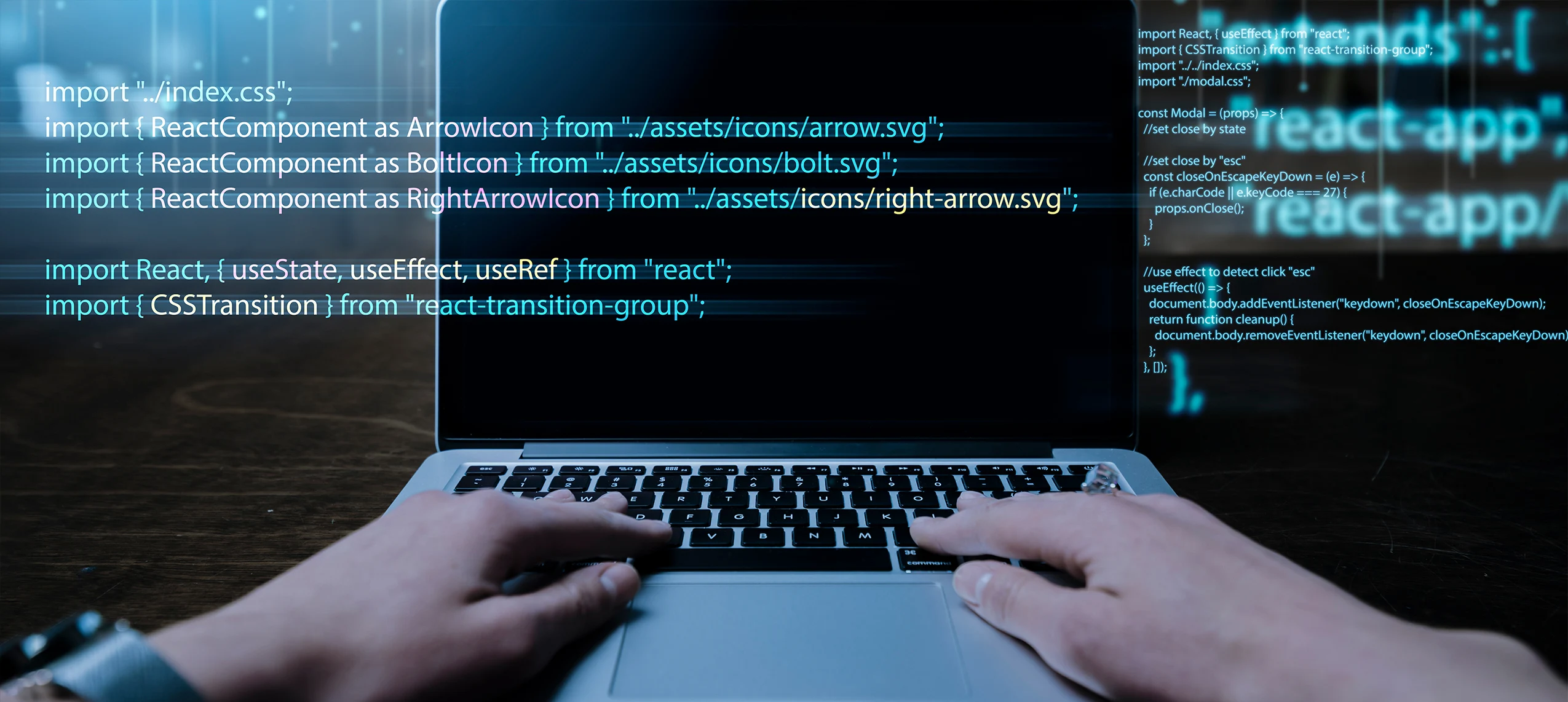
Best Programming Languages to Learn for CSE Students
CSE students should focus on a smart mix of foundational and modern programming languages that build strong concepts, open multiple career paths, and develop long-term software development skills.




Starting with beginner-friendly options and then moving to performance-oriented languages is the fastest route to a solid coding career.
Why Language Choice Matters
Choosing the right first languages shapes how you think about problem-solving, debugging, and system design in the long run. The right stack also decides how easily you can move into areas like web development, AI, app development, or competitive coding.
For programming for CSE students, the goal is not just to learn syntax but to build logic, data structures knowledge, and real-world project experience. That is why a combination of 4–6 carefully chosen coding languages for beginners works better than trying to learn “everything.”
Python – The Best Starting Point
Python is often ranked among the top languages because of its clean, readable syntax and huge ecosystem. It is ideal for coding languages for beginners as you can quickly build projects in web apps, automation, data science, and AI with fewer lines of code.
For CSE students, Python helps you grasp core concepts like loops, conditions, functions, OOP, and problem-solving without fighting complex syntax. It also directly supports trending domains like machine learning, data analytics, and automation, which are highly valuable for a future-proof coding career.
C – The Concept Builder
C is a classic, low-level language that teaches how memory, pointers, compilation, and hardware-level operations really work. Many modern languages (C++, Java, Go, Rust) are influenced by C, so understanding it strengthens your entire foundation in programming for CSE.
Learning C early makes it easier to understand operating systems, embedded systems, and performance-critical code later in your degree. It is slightly tougher than some beginner options, but it gives you a deep appreciation of how computers execute your code.
C++ – For Performance and DSA
C++ builds on C with object-oriented programming, templates, and STL, making it powerful for high-performance applications and competitive programming. Many coding interview problems and online judges prefer C++ because of its speed and rich standard library for data structures and algorithms.
If you want to crack product-based company interviews or excel in coding contests, C++ is one of the best software development skills to invest in. It also opens doors to game development, system software, and performance-intensive domains.
Java – Enterprise and Android Powerhouse
Java remains a core language in industry for large-scale enterprise applications, banking systems, and backend development. With its “write once, run anywhere” philosophy and strong type system, it is excellent for building reliable, maintainable applications.
For CSE students, Java helps solidify OOP concepts and prepares you for frameworks like Spring, as well as Android development (often combined with Kotlin). Adding Java to your stack significantly boosts your profile for internships and long-term coding career growth.
Java vs Python – Which First?
In the Java vs Python debate, Python usually wins for absolute beginners because it is easier to read, requires less boilerplate, and lets you build small projects quickly. This makes it ideal for students who want a smooth start in coding languages for beginners and quick motivation through visible results.
Java, however, is better if you want stricter discipline, strong OOP foundations, and a direct route into enterprise and Android ecosystems. A practical strategy is: start with Python to learn logic, then move to Java in second or third semester to strengthen architecture and enterprise-grade software development skills.
JavaScript – Must for Web Development
If you are interested in web technologies, JavaScript is non-negotiable, as it runs in every browser and powers interactive websites. Modern stacks like React, Node.js, and full-stack development all heavily rely on JavaScript.
For programming for CSE students, JavaScript helps you understand client–server communication, APIs, and user experience design. Combined with HTML and CSS, it quickly turns your coding logic into visible, usable products—great for building a portfolio to support your coding career.
SQL and Data Handling Basics
Along with core languages, knowing SQL is critical because almost every application interacts with a database. SQL lets you query, update, and manage data efficiently, which is central to backend development, analytics, and enterprise applications.
Learning SQL early helps you understand how data flows through real systems and prepares you for roles like backend developer, data engineer, or BI engineer. When combined with languages like Java, Python, or JavaScript, SQL completes your basic software development skills toolkit.
How to Plan Your Learning Path
A smart roadmap for coding languages for beginners in CSE could look like this:
- Start with Python for basic logic and quick projects.
- Learn C to understand low-level concepts and how programs run.
- Add C++ to master DSA and competitive programming.
- Move to Java for OOP, enterprise, and Android routes.
- Learn JavaScript and SQL for web and database-driven applications.
Parallel to languages, focus on version control (Git), problem-solving on coding platforms, and building small but complete projects to demonstrate your software development skills.
GLA University and CSE
For students serious about programming for CSE and building an industry-ready coding career, choosing a university with strong labs, industry-aligned curriculum, and active coding culture is crucial. GLA University is known for emphasizing practical projects, contemporary languages, and hands-on training that help students gain exactly these software development skills in its CSE programs.


Admission Open For
B.Tech
2027
Start your journey with us
Apply OnlineGet In Touch With Us
 Virtual Tour
 B.Tech Programs
UG Programs
Lateral Entry
M.Tech Programs
PG Programs
Doctoral Programs
Diploma Programs
Admissions Helpline

-

-

-

-

17km Stone, NH-19, Mathura-Delhi Road, P.O.
Chaumuhan, Mathura-281 406, (U.P.) INDIA