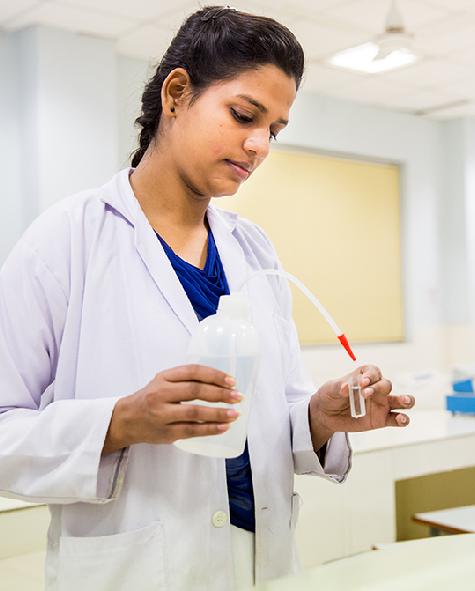
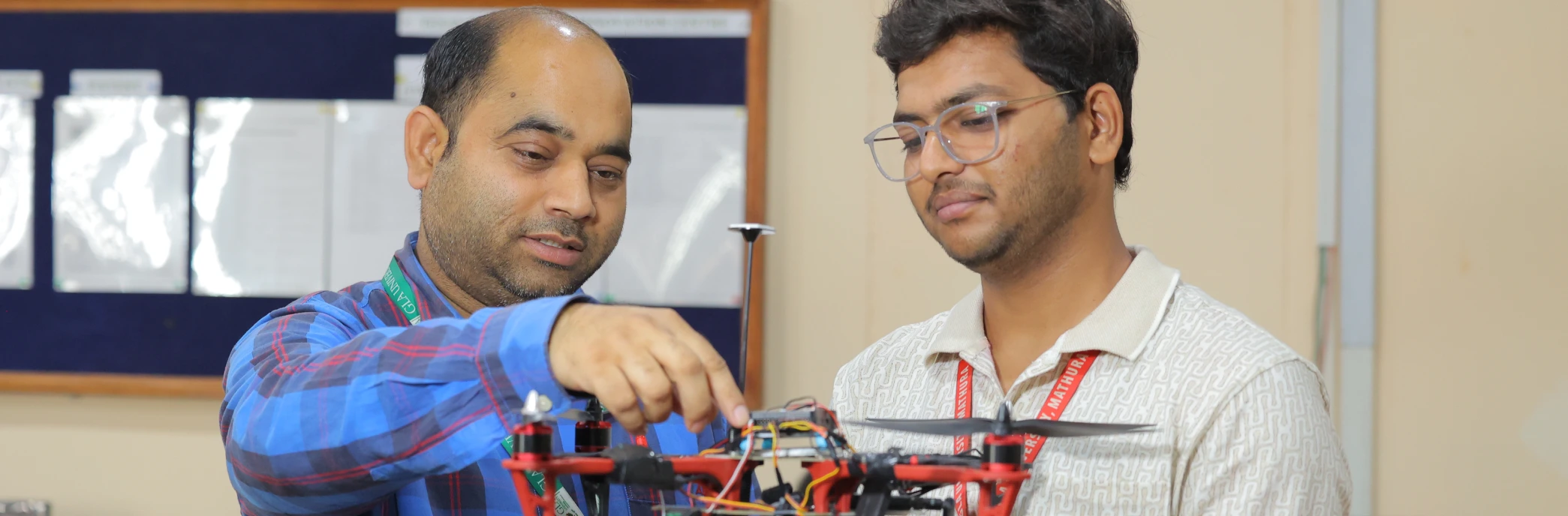
Interactive lectures, guided tutorials, and well‑equipped laboratories make learning engaging and practice‑oriented. Faculty members adopt student‑centric approaches and regularly update teaching content to reflect advancements in physics and pedagogy. Through mentoring, academic events, workshops, and collaborative projects, the department cultivates curiosity, confidence, and research aptitude—preparing graduates for careers in education, research, industry, and interdisciplinary scientific fields.

The Institute of Applied Sciences & Humanities
Department of Physics
-
94%
Placement Rate
-
19.83 LPA
Highest Package
-
56+
Multiple Offers in one year
-
87%
Core Placements Growth
The Department of Physics at GLA University is committed to delivering high‑quality education, strong conceptual grounding, and research‑driven learning at the undergraduate, postgraduate, and doctoral levels.
With an NEP‑2020‑aligned curriculum, the department blends fundamental principles with modern applications, encouraging analytical thinking, scientific reasoning, and hands‑on experimentation.
Rankings & Accreditations
-
UGC
12B Status by UGC

-
NAAC A+
Accredited
-
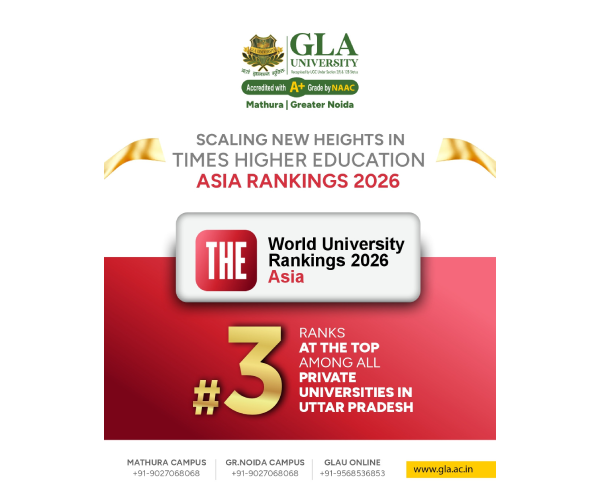
#48
Overall Asia Rank
Ranked 48th in India under the Pharmacy Category

-
#200
NIRF Ranking 2025
Listed among the Top 200 Engineering Institutes in India

Programs

Post Graduate
Doctoral
Placements

Core Companies: Semiconductor, telecom, embedded, chip design, automation IT & Software Roles: System engineering, testing, analytics, full-stack
Top-Tier Companies in
Our Placement Network








Key Reasons to Choose GLA University
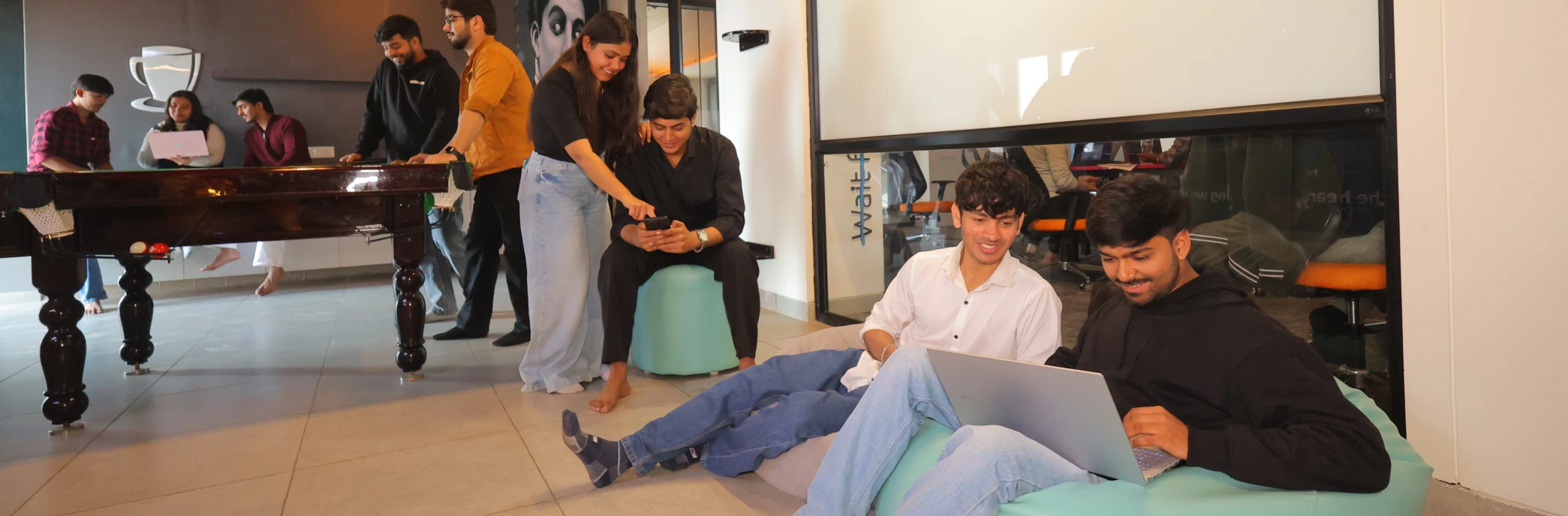
Spread across 110 acres of land, the university is home to over 20,000 students enrolled in a variety of professional courses. Well-designed and maintained buildings, contemporary laboratories, spacious residential complexes and recreational facilities.
-

Better AQI
-

Greenery
-

Women safety
-

Serenity & Peace
-

Crime Free
-

Alcohol & Drug Free
-

Ragging Free
-

Strong Placements
-

Industry Exposure
-

Holistic Development
-

Reputable Rankings
-

Supportive Environment
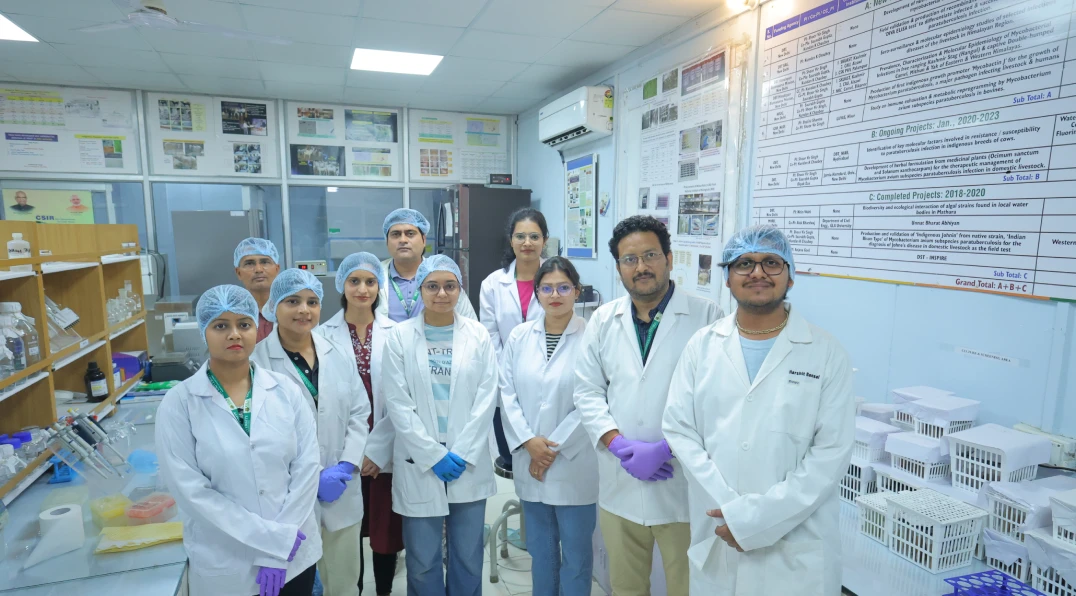
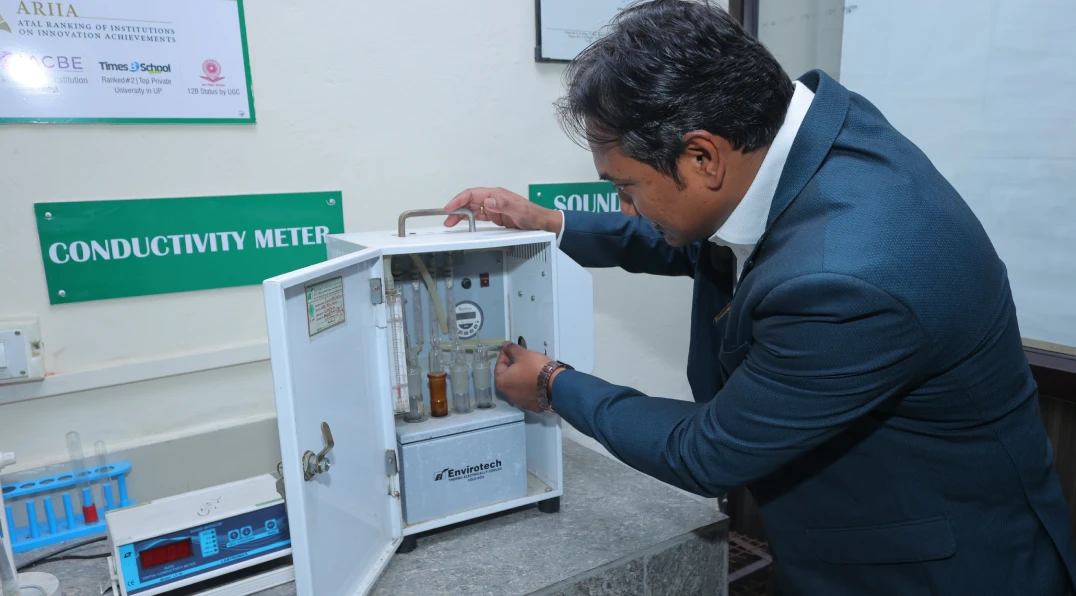
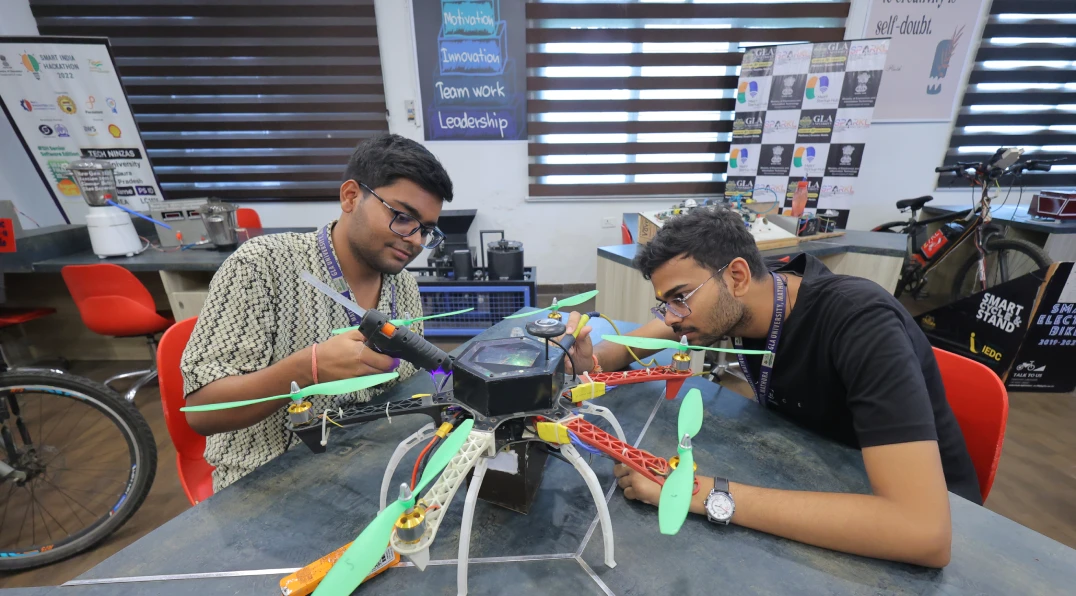
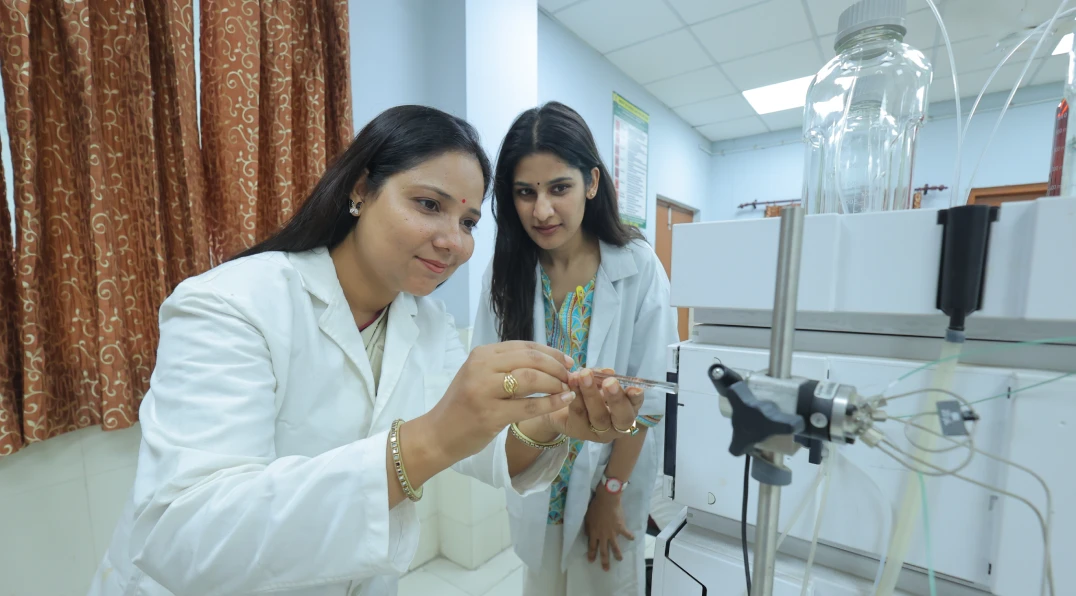
Laboratory
Exploring the Future of Science
Faculty
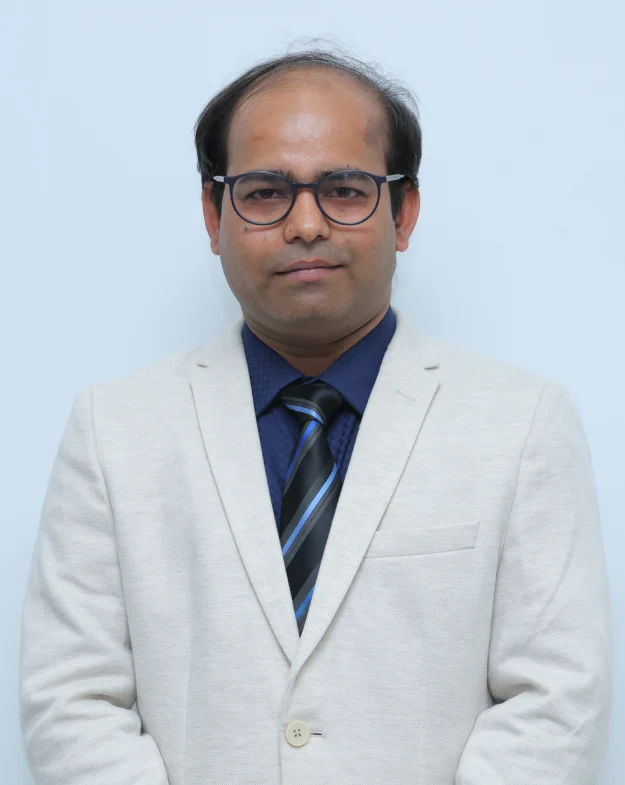
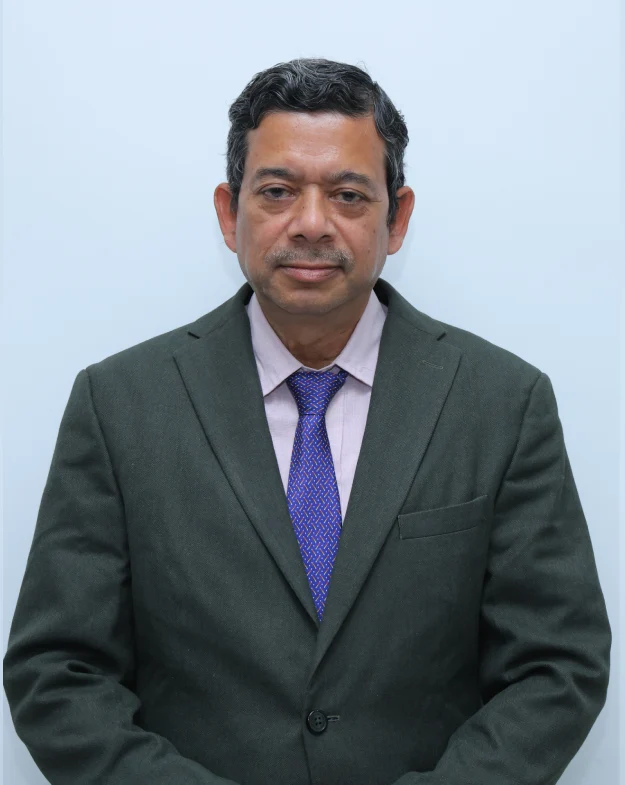
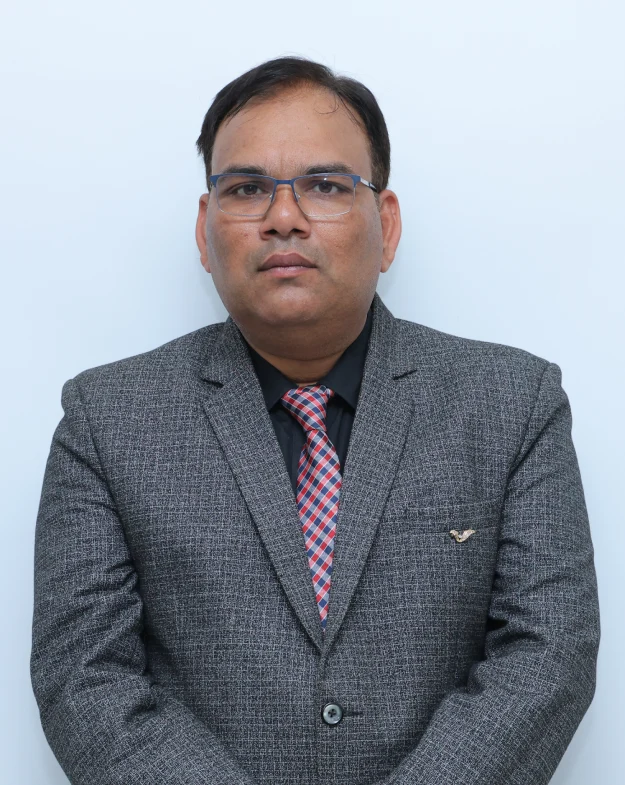


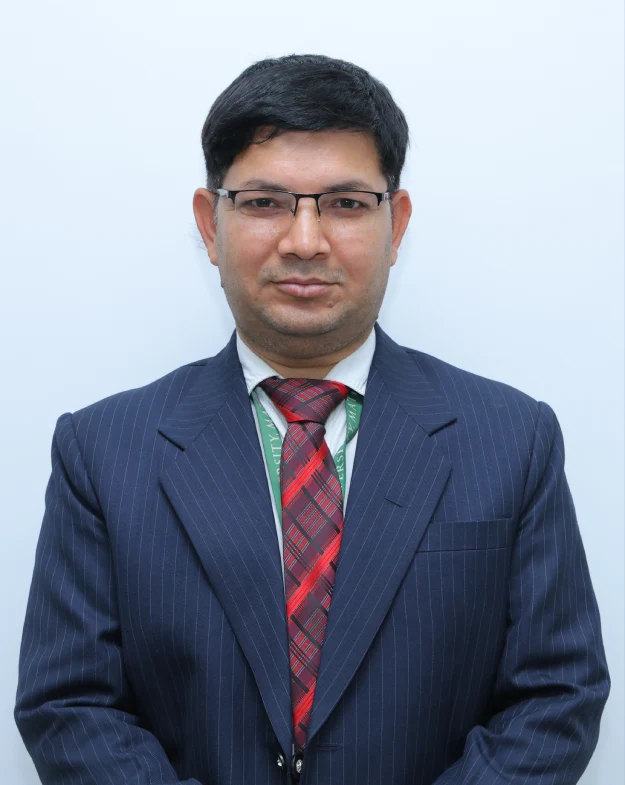





Research Centers
Investigating scientific principles through advanced physical research.
Promoting discovery in materials, energy, and applied physical sciences.


GLAdiators Speaks
Success Stories
of
our
GLAdiators



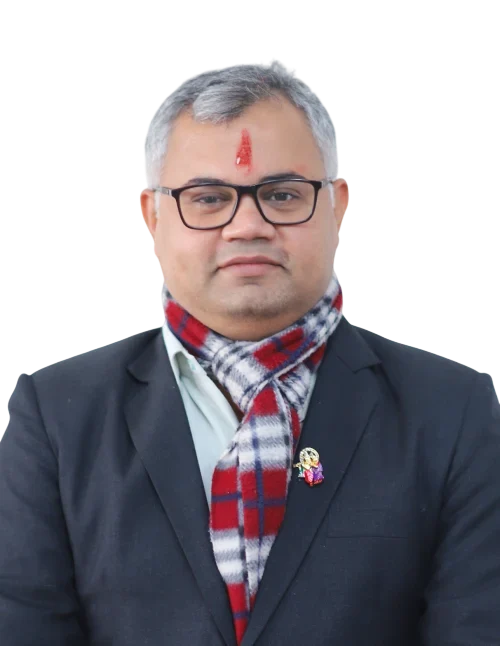
Kandarpi Tahiliani
Azure Power

GLA University’s practical approach to engineering education prepared me to handle real-world challenges effectively. The hands-on experience and strong technical knowledge gained here have been valuable in my role in the renewable energy sector.

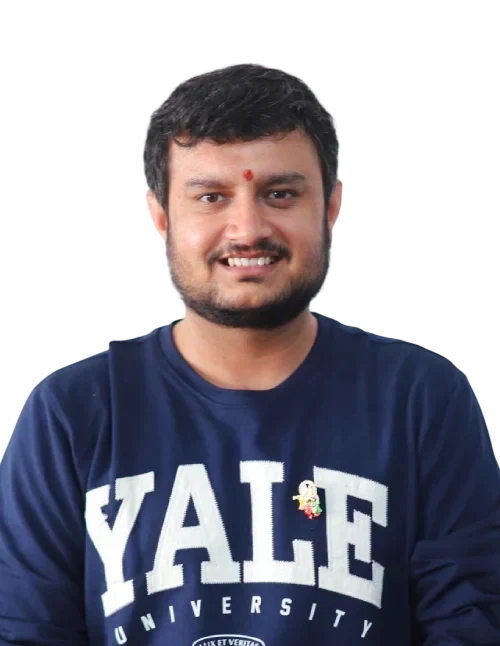
Vasu Kohli
Chief Operating Officer - Madcloud Technologies Pvt. Ltd.
My journey at GLA University laid the foundation for my leadership career. The technical knowledge, problem-solving skills, and strategic thinking developed here have been instrumental in my role as a Chief Operating Officer.

Prankur Chaturvedi
Assistant Manager – KPMG
GLA gave me a strong technical foundation and analytical mindset. Real-world exposure and supportive faculty built my confidence. The collaborative environment prepared me to thrive in dynamic corporate settings.


Anurag Mittal
Director – Techstreet Solutions Pvt. Ltd
GLA fostered my entrepreneurial mindset with strong technical and leadership skills. It encouraged independent thinking and initiative, helping me build and grow my own organization.


Nirdesh Kulshreshtha
Product Manager – Airtel Africa
GLA shaped my understanding of technology and business. Its practical, industry-focused approach enabled a smooth transition into product management and continues to influence my growth.


Kamal Deep Kaur
Senior Associate Consultant – Infosys
GLA provided a balanced learning environment with practical exposure. It enhanced my communication and analytical skills, helping me succeed in consulting roles.

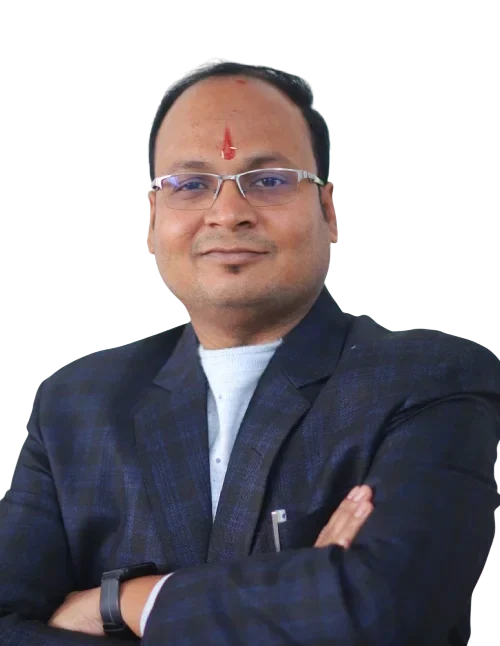
Abhishek Garg
Director – Idiary IT Solutions Pvt. Ltd
GLA developed my business perspective and leadership skills. Its academic rigor and practical insights enabled me to build and lead my own company effectively.


Anindya Singh
Project Manager & Consultant – dss+
GLA strengthened my technical and problem-solving skills. Its focus on research and innovation prepared me to deliver impactful solutions in my consulting career.


Mohit Tripathi
Co-Founder – Culture OS
GLA nurtured my entrepreneurial spirit and technical skills. Exposure to innovation and collaboration gave me the confidence to co-found my venture.

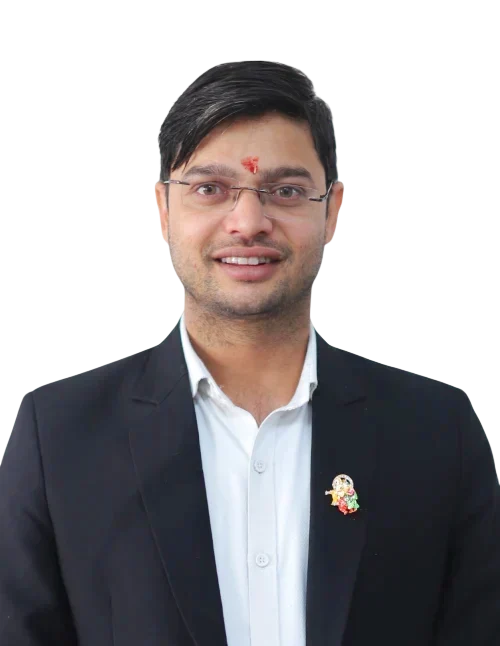
Shiv Kumar Sharma
Founder – Merikitab.in
GLA inspired me to explore unconventional paths. Its focus on creativity and innovation empowered me to launch my own platform.


Nancy Verma
Senior Product Engineer – Kohler India
GLA provided strong technical knowledge and hands-on experience. Supportive faculty helped me build confidence for challenging engineering roles.


Anuj Kumar Saraswat
Senior Project Manager – Sopra Group
GLA laid the foundation for my project management career. It helped me develop technical expertise and leadership skills for managing complex projects.


Prashank Varshney
Senior Advisory Consultant – IBM
GLA’s industry-oriented curriculum enhanced my analytical and problem-solving skills. It played a key role in shaping my consulting career.

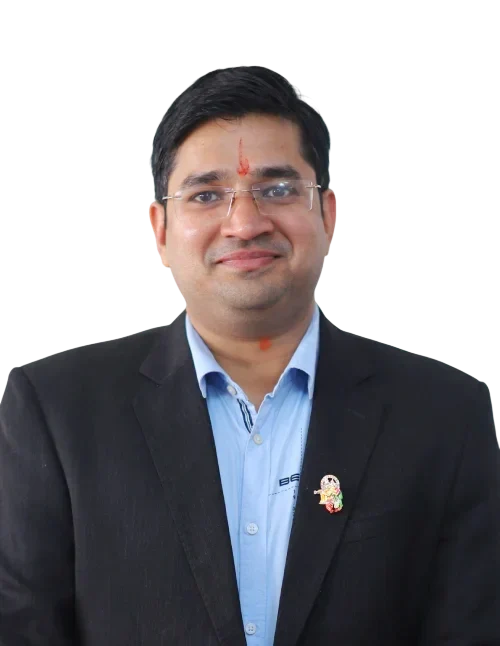
Sanchit Kumar Garg
Assistant Director General – Ministry of Communication
GLA instilled discipline and dedication. Its strong academic foundation prepared me to contribute effectively in public service.


Aashish Bansal
Engineering Group Supervisor – Bechtel India Pvt. Ltd.
GLA equipped me with strong technical fundamentals and leadership skills, enabling success in global engineering projects and team management.


Sadhvi Saxena
Associate Manager – Accenture Operations
GLA enhanced my analytical and communication skills. Its industry-focused learning helped me transition smoothly into corporate roles.


Shiv Prakash Rajput
Pharmacovigilance Associate – SN Medical College
GLA built my research and technical skills. Its academic support helped me establish a meaningful career in healthcare.


Suman Yadav
Territory Manager – Sanofi India Ltd
GLA helped me understand pharmaceuticals and business practices, enabling success in territory management and professional relationships.


Vaibhav Kulshrestha
Sales Manager – SLTL Group
GLA developed my technical and interpersonal skills. Industry exposure helped me excel in sales and management roles.


Purnima Sonkar
Project Manager – Live Furnish
GLA strengthened my technical and project management skills. Its collaborative environment helped me develop leadership qualities.


Madhav Yadav
Director – JD Muntyaal Pvt. Ltd.
GLA played a key role in shaping my entrepreneurial journey. It gave me the confidence and knowledge to grow my business.


Neel Kamal Yadav
Director – JDML Logistics
GLA helped me understand technical and business aspects, enabling effective management and expansion of my logistics operations.

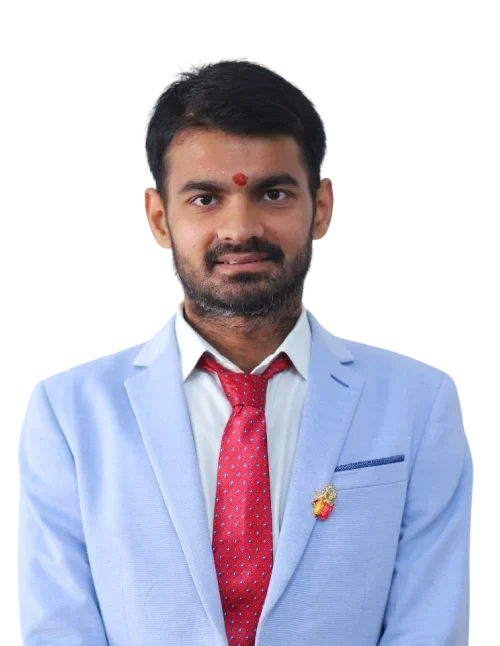
Jatin Dixit
HOD – Saraswati Modern Public School
GLA built my teaching and leadership skills, preparing me to excel in the education sector with confidence.


Priya Sharma
Manager – Yoda Lifeline Diagnostics
GLA provided a strong foundation in life sciences and management. Practical exposure helped me grow in healthcare roles.


Meghna Upadhyay
Director – Crave It
GLA nurtured my entrepreneurial mindset and business acumen, giving me the confidence to lead my own venture.


Mayank Jain
Virtual Scribe Trainer – Microsoft India
GLA enhanced my academic and communication skills, helping me succeed in a global organization.


Anurag Vishwakarma
Assistant Manager HR – Pranav Vikas India Pvt. Ltd
GLA’s practical MBA program helped me develop strong HR and management skills for real-world challenges.


Honey Vishwakarma
Software Engineer Analyst – Accenture
GLA provided strong technical knowledge and problem-solving skills essential for a career in IT.


Piyush Chaturvedi
Director – Uma Motors Pvt. Ltd
GLA built my business fundamentals and leadership skills, helping me manage and grow my family business.


Nandini Sharma
Teacher – Delhi Public School
GLA shaped my teaching methods and communication skills, making me a confident educator.

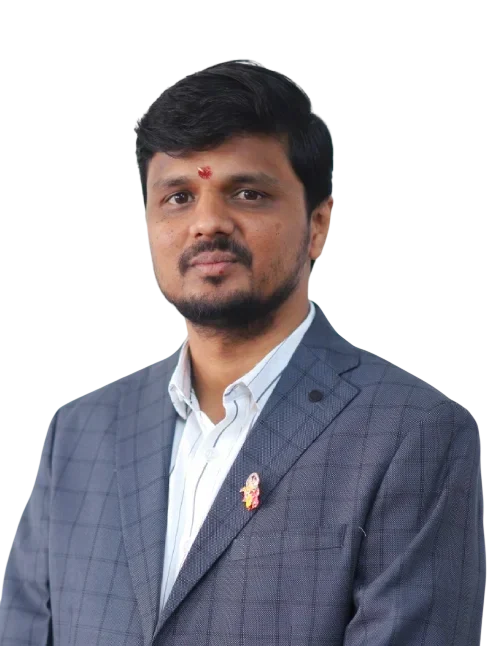
Vishal Jauhari
Product Architect – SAP Labs India
GLA built my technical and analytical foundation, helping me grow into a product architect delivering innovative solutions.
Academic International Partnerships
Encouraging global academic partnerships in scientific discovery and applied physics research.


















Highlights
Student‑focused teaching with interactive lectures, tutorials, and structured problem‑solving
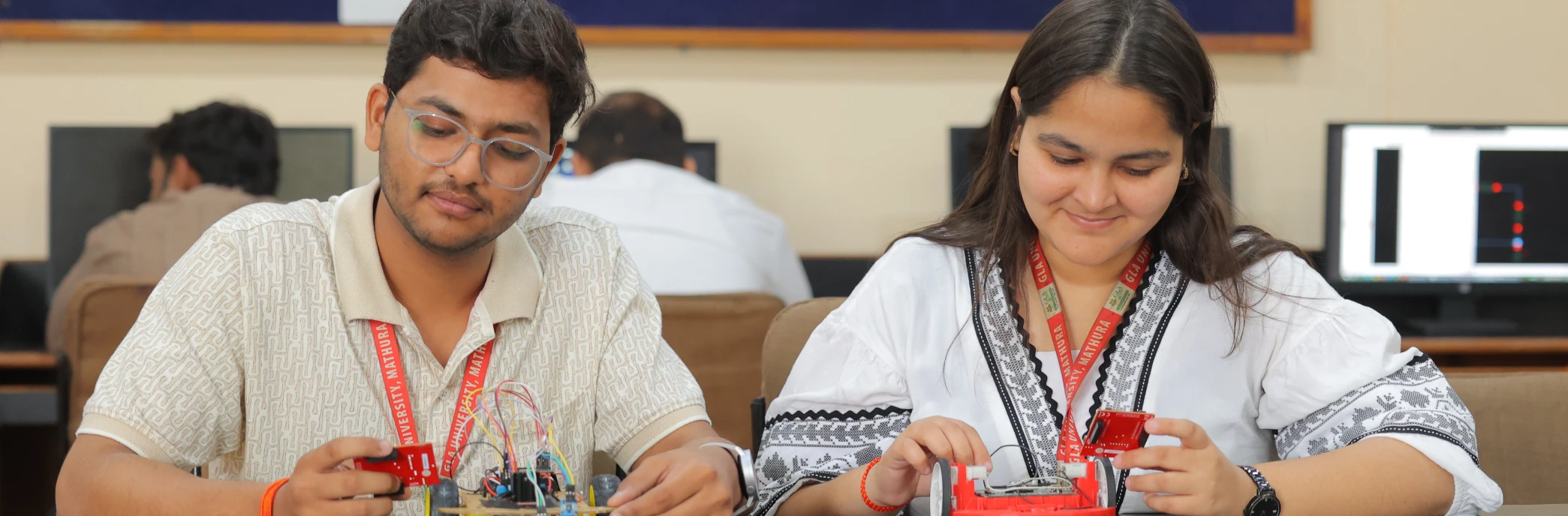
Modern, well-equipped UG and PG laboratories
Curriculum aligned with national examinations — CUET, IIT‑JAM, NET, GATE
Strong encouragement for participation in seminars, conferences, and academic events
Project‑based learning and summer research opportunities at reputed institutes
Academic collaborations with Institute of Physics (Taiwan), NIT Srinagar, BHU, and CUSB Gaya
UG students have secured admissions in IIT Guwahati (JAM), University of Delhi (CUET), BHU, AMU
PG students progressed to IIT Kanpur, IIT Roorkee (GATE)
Growing research ecosystem with expanding collaborations and research areas
Our Vision
- Deliver high-quality physics education with strong conceptual clarity
- Develop scientifically competent graduates with analytical and problem‑solving skills
- Evolve into a research-intensive department through collaborations and capacity building
- Contribute to national and global scientific progress through education and research
Our Mission
- Strengthen learning through interactive teaching, tutorials, laboratory work, and problem‑solving
- Enhance laboratory facilities and academic resources in line with institutional growth
- Promote project-based learning, internships, and collaborative research
- Prepare students for higher studies, competitive exams, and scientific careers
- Build a foundation for long‑term research through faculty upskilling and partnerships
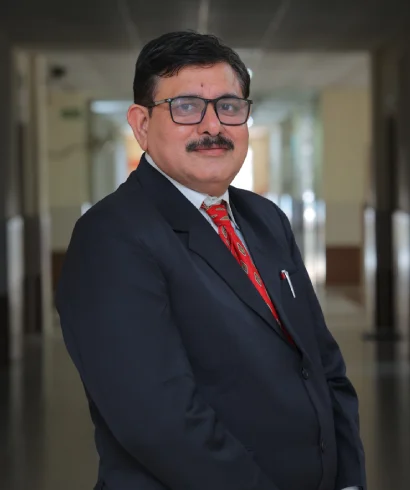
HOD's Message
The Department of Physics offers UG, PG, and PhD programmes with a strong emphasis on conceptual clarity, quality teaching, and academic growth. The NEP 2020 aligned undergraduate curriculum provides multidisciplinary exposure and introduces advanced topics such as quantum computing, nanomaterials, and astrophysics.
Our postgraduate programme offers elective specialisations in electronics, astrophysics, plasma physics, relativity, and materials science. The department also contributes extensively to engineering education and offers open electives in quantum computing. With expanding research areas and active collaborations, we are steadily building a vibrant research ecosystem. We welcome students to explore the exciting world of physics with curiosity and confidence.
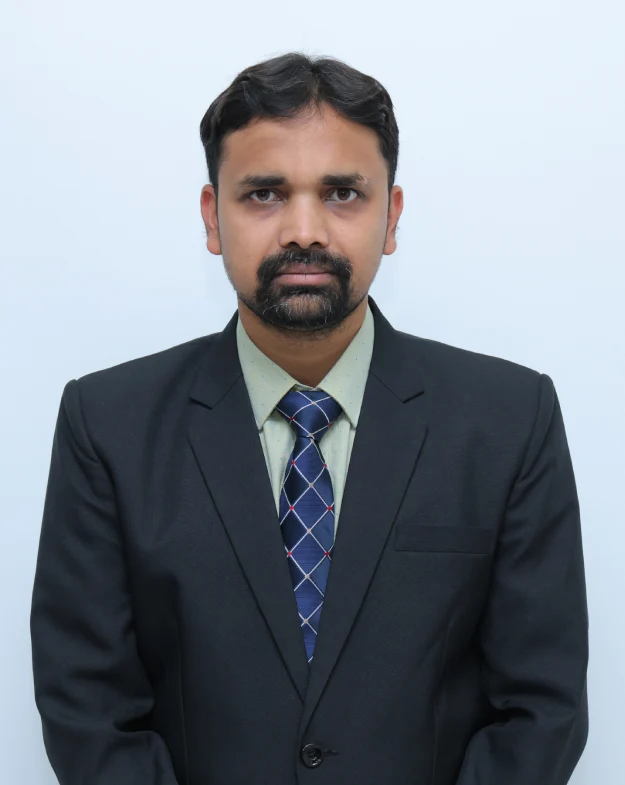
Prof. Anuj Vijay
Head - Department of Physics


Step inside our campus and see learning come alive
Get a firsthand look at our campus, classrooms, and vibrant student life.
 Virtual Tour
Frequently Asked Questions
What courses are offered by the Physics Department?
+
The Physics Department offers undergraduate, postgraduate, and doctoral programs such as B.Sc. Physics, M.Sc. Physics, and Ph.D. in Physics. These programs focus on fundamental concepts, experimental techniques, and research in various areas of modern physics.
What is the eligibility criteria for admission to the B.Sc. Physics program?
+
Candidates must have completed 10+2 from a recognized board with Physics as a compulsory subject along with Mathematics or Chemistry. Applicants must meet the minimum percentage required by the university for admission.
How can students apply for admission to the Physics program?
+
Students can apply through the university’s online admission portal by filling out the application form, uploading academic documents, and completing the admission process according to the guidelines provided by the university.
What is the duration of the B.Sc. Physics program?
+
The B.Sc. Physics program is a three-year undergraduate degree divided into six semesters. The curriculum includes theoretical courses, laboratory experiments, practical training, and research-based assignments.
Are scholarships available for students studying Physics?
+
Yes, the university provides scholarships based on academic merit and other eligibility criteria. These scholarships are designed to support talented students and encourage academic excellence in science education.
What career opportunities are available after studying Physics?
+
Graduates can pursue careers in research, teaching, data analysis, electronics industries, scientific organizations, and technology companies. Many students also prepare for competitive exams or pursue higher education in specialized physics fields.
Can students pursue higher studies after completing a Physics degree?
+
Yes, students can pursue higher education such as M.Sc. Physics, specialized postgraduate programs, or research-based degrees like Ph.D. in Physics. These programs help students build careers in academia and scientific research.
What laboratory facilities are available for Physics students?
+
Physics students have access to well-equipped laboratories for optics, electronics, mechanics, and modern physics experiments. These labs help students develop experimental skills and gain practical understanding of physical principles.
Does the Physics program include practical laboratory training?
+
Yes, laboratory training is an essential part of the curriculum. Students perform experiments, analyze data, and learn scientific techniques that help them understand theoretical concepts through hands-on practical experience.
Are research opportunities available for Physics students?
+
Yes, postgraduate students and research scholars can participate in research activities under faculty guidance. Students may work on projects related to theoretical physics, experimental physics, and interdisciplinary scientific studies.
Are seminars and workshops organized for Physics students?
+
Yes, the department regularly organizes seminars, guest lectures, and workshops conducted by academicians and industry experts to help students stay updated with new developments in physics and scientific research.
Does the Physics Department provide placement support?
+
Yes, the university provides placement assistance through career counseling, skill development programs, and campus recruitment activities that help students explore opportunities in education, research, and technology sectors.
What skills can students develop while studying Physics?
+
Students develop analytical thinking, problem-solving ability, research skills, experimental techniques, data analysis skills, and scientific reasoning, which are valuable in many scientific and technology-based careers.
Are internships available for Physics students?
+
Students may explore internships in research laboratories, educational institutions, and technology organizations to gain practical exposure to scientific research and technical applications of physics.
What teaching methods are used in the Physics Department?
+
The department uses a combination of lectures, laboratory experiments, tutorials, seminars, and research assignments to help students understand theoretical concepts and develop practical scientific skills.
Are students encouraged to participate in science events and competitions?
+
Yes, students are encouraged to participate in science exhibitions, academic competitions, research presentations, and technical events that help enhance creativity, innovation, and scientific curiosity.
What campus facilities support Physics students’ learning?
+
Students benefit from library resources, laboratory infrastructure, digital learning materials, and academic support services available on campus that support scientific learning and research activities.
Can Physics students pursue careers in research and academia?
+
Yes, many students pursue careers in research institutions, universities, and scientific organizations after completing postgraduate or doctoral studies in physics and related interdisciplinary fields.
Does the Physics program encourage project-based learning?
+
Yes, students undertake academic projects and research assignments during their studies where they apply physics concepts to practical problems under the guidance of faculty members.
Why should students choose Physics studies at GLA University?
+
The Physics program combines strong theoretical knowledge with practical laboratory training and research exposure, helping students develop scientific thinking and preparing them for careers in research, education, and technology-driven industries.
 Virtual Tour
 B.Tech Programs
UG Programs
Lateral Entry
M.Tech Programs
PG Programs
Doctoral Programs
Diploma Programs
Admissions Helpline

-

-

-

-

17km Stone, NH-19, Mathura-Delhi Road, P.O.
Chaumuhan, Mathura-281 406, (U.P.) INDIA