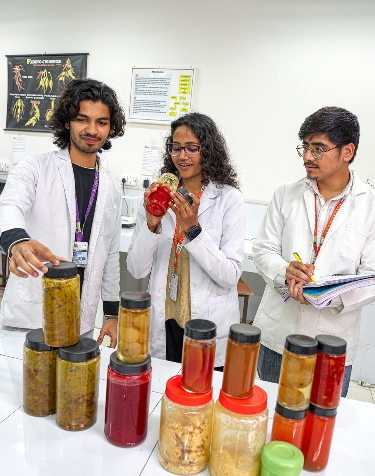
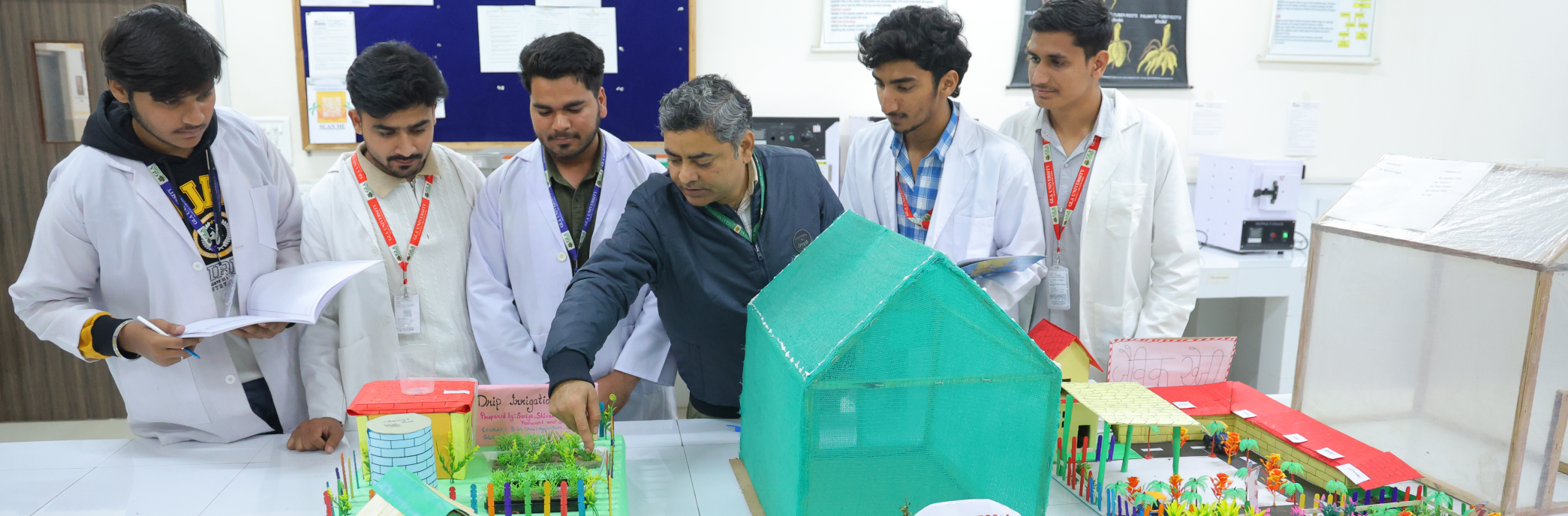
The ICAR-accredited B.Sc. (Hons.) Agriculture follows VI Deans’ Committee guidelines with strong experiential learning via fieldwork, labs, and internships, while PG programs follow BSMA 2022. With expert faculty, modern infrastructure, and industry/research linkages, FAS promotes innovation, sustainability, and agri‑entrepreneurship, preparing graduates to address pressing challenges in productivity, climate resilience, and rural development.
The Institute of
Department of Agricultural Sciences
-
94%
Placement Rate
-
19.83 LPA
Highest Package
-
56+
Multiple Offers in one year
-
87%
Core Placements Growth
The Faculty of Agricultural Sciences (FAS) at GLA University
Mathura is a leading centre for agricultural education, research, and extension. Programs span UG, PG, and Ph.D., aligned with national priorities and global trends.
Rankings & Accreditations
-
UGC
12B Status by UGC

-
NAAC A+
Accredited

-
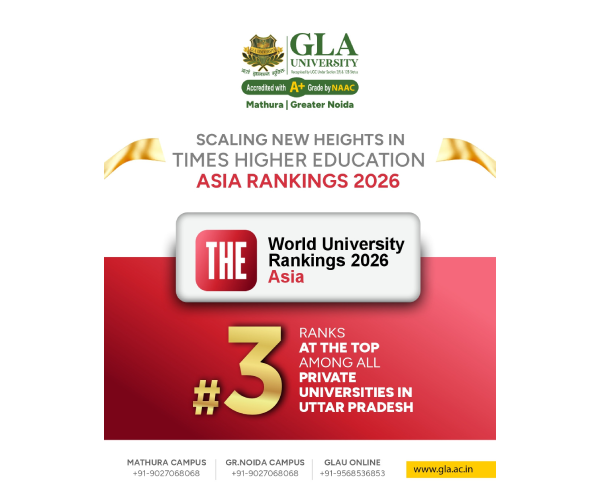
#200
NIRF Ranking 2025
Listed among the Top 200 Engineering Institutes in India

-
#781-790
Overall Asia Rank
Ranked in the 781–790 Band in Asia Overall

Programs

Post Graduate
Doctoral

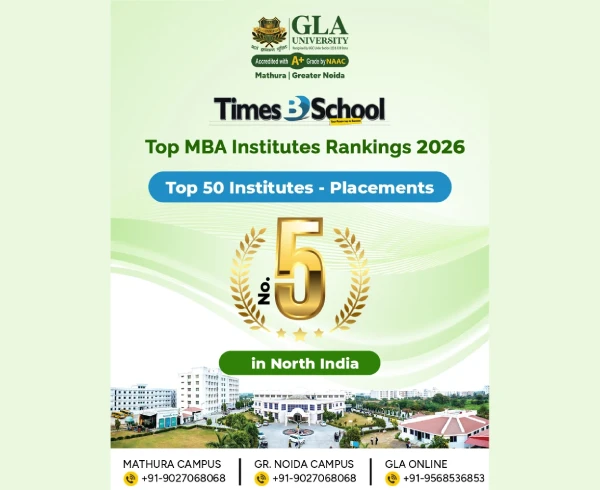
Placements

Core Companies: Semiconductor, telecom, embedded, chip design, automation IT & Software Roles: System engineering, testing, analytics, full-stack
Top-Tier Companies in
Our Placement Network








Key Reasons to Choose GLA University
Spread across 110 acres of land, the university is home to over 20,000 students enrolled in a variety of professional courses. Well-designed and maintained buildings, contemporary laboratories, spacious residential complexes and recreational facilities.
-

Better AQI
-

Greenery
-

Women safety
-

Serenity & Peace
-

Crime Free
-

Alcohol & Drug Free
-

Ragging Free
-

Strong Placements
-

Industry Exposure
-

Holistic Development
-

Reputable Rankings
-

Supportive Environment
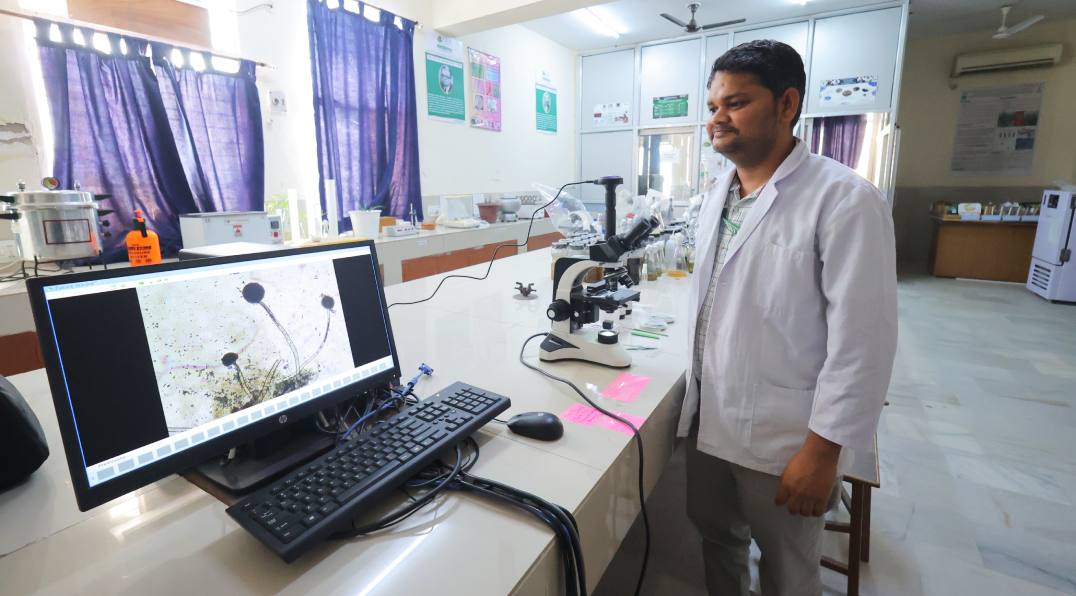

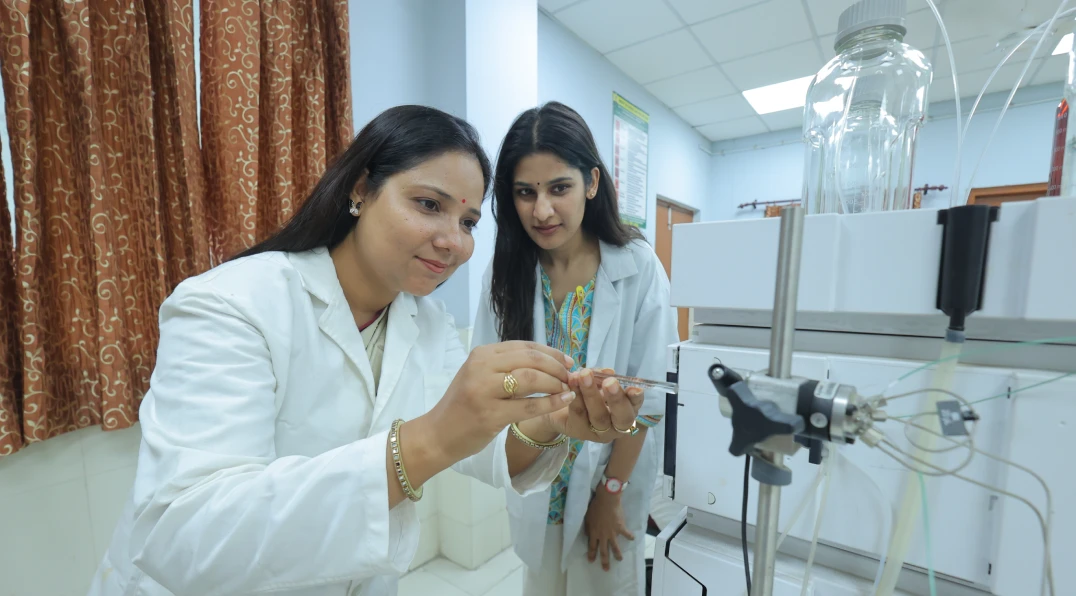
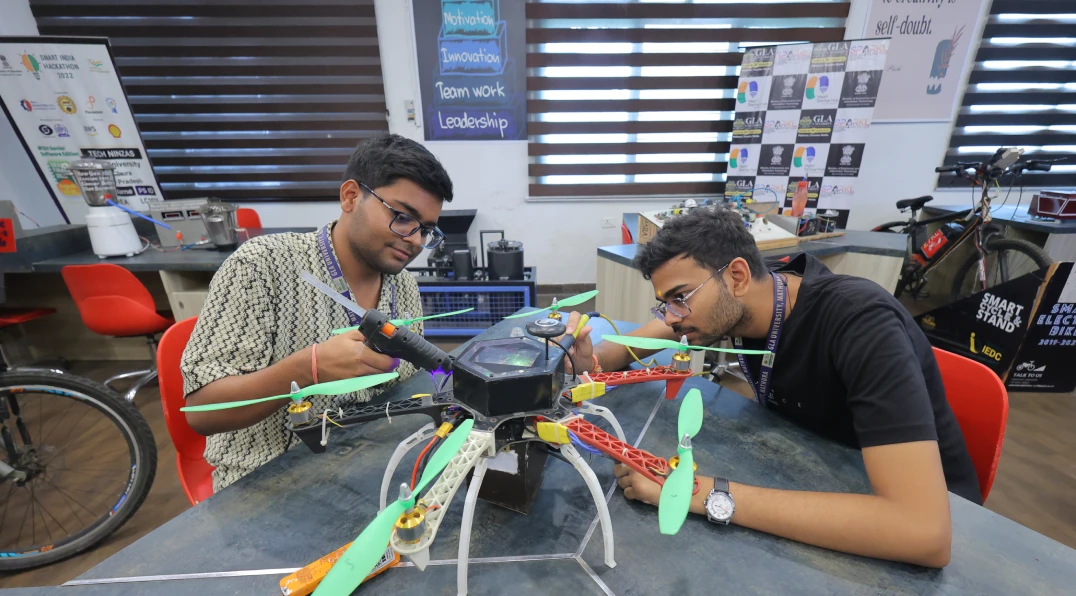
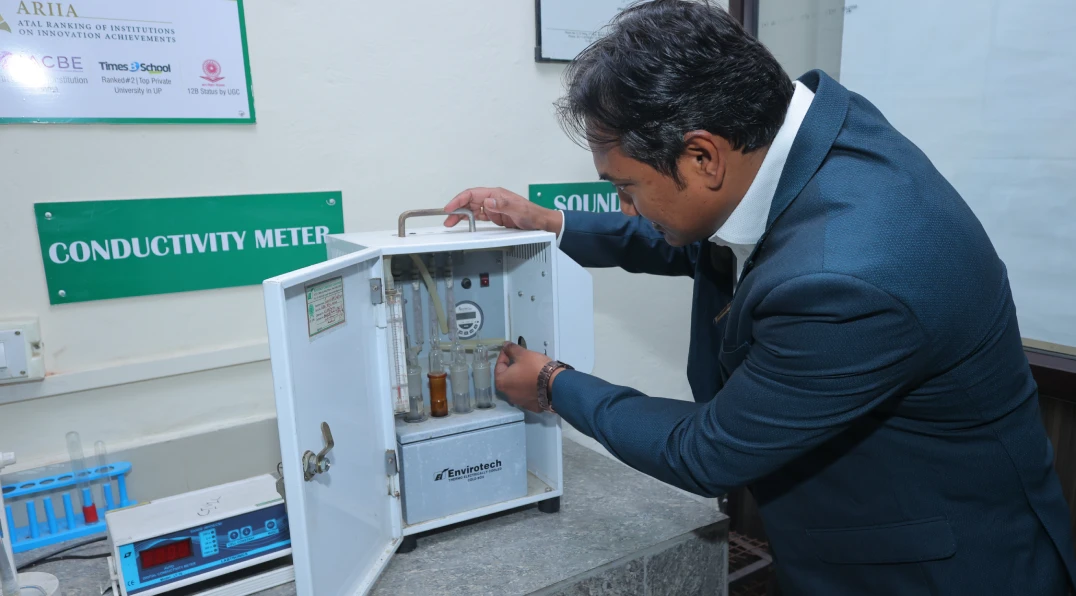
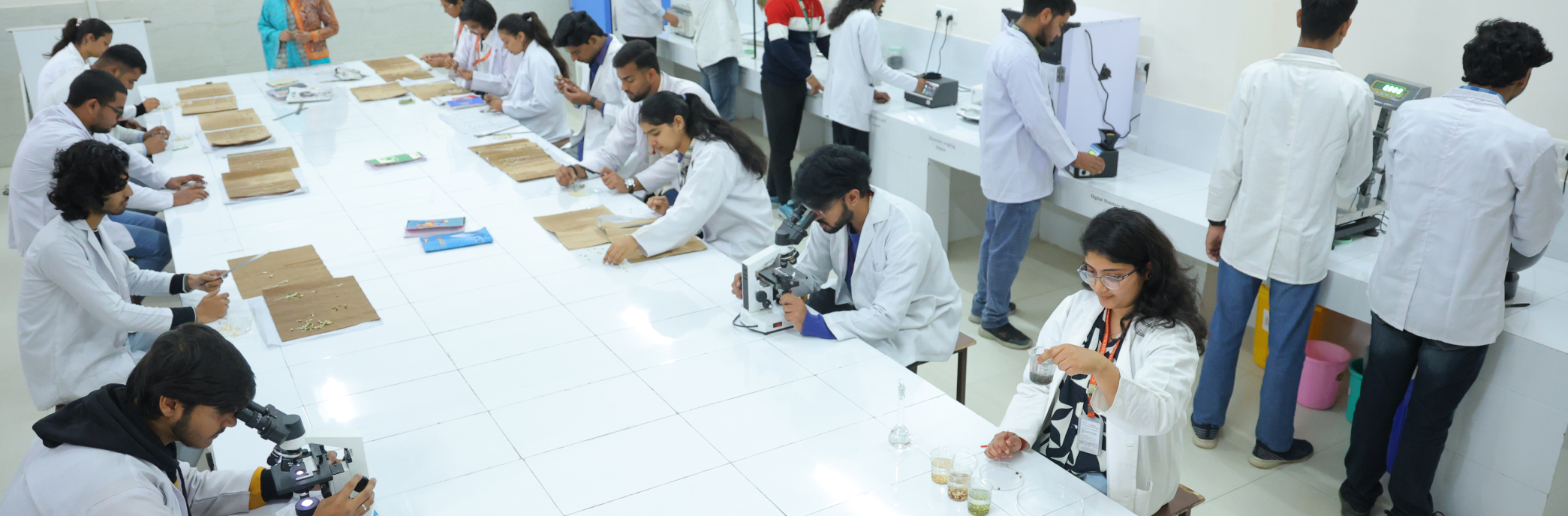
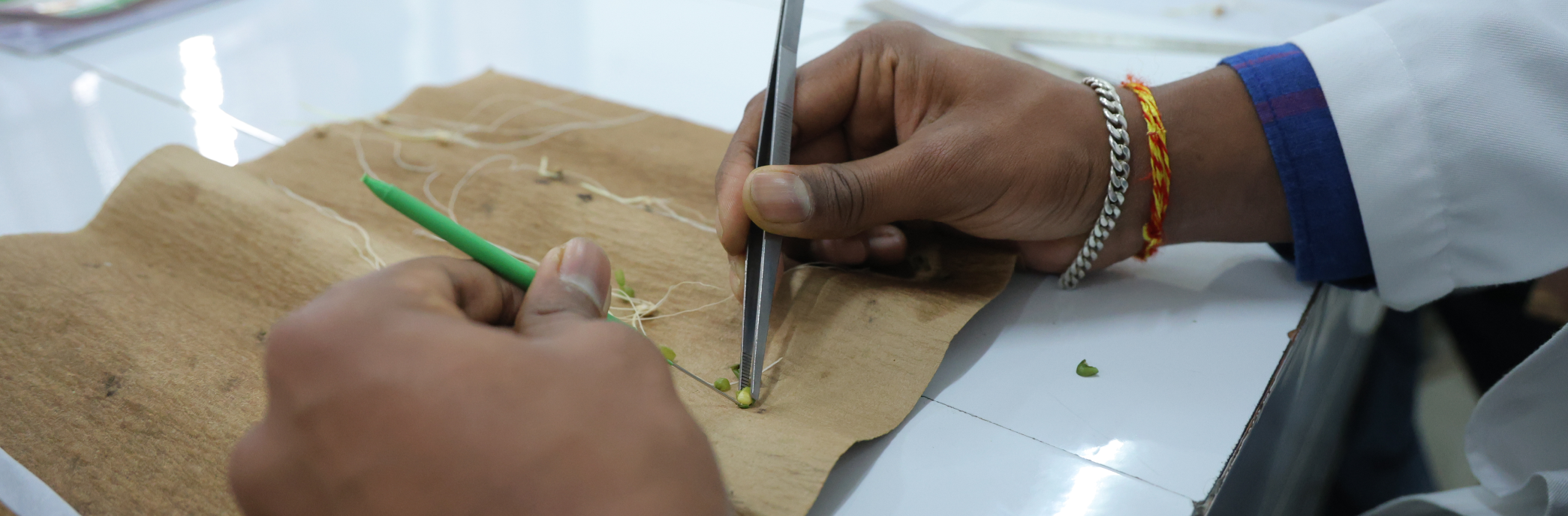
Research Centers
Cultivating research in agriculture, sustainability, and food systems.
Promoting innovation in crop science, soil health, and rural development.


GLAdiators Speaks
Success Stories
of
our
GLAdiators



Kandarpi Tahiliani
Azure Power

GLA University’s practical approach to engineering education prepared me to handle real-world challenges effectively. The hands-on experience and strong technical knowledge gained here have been valuable in my role in the renewable energy sector.


Vasu Kohli
Chief Operating Officer - Madcloud Technologies Pvt. Ltd.
My journey at GLA University laid the foundation for my leadership career. The technical knowledge, problem-solving skills, and strategic thinking developed here have been instrumental in my role as a Chief Operating Officer.


Prankur Chaturvedi
Assistant Manager – KPMG
GLA gave me a strong technical foundation and analytical mindset. Real-world exposure and supportive faculty built my confidence. The collaborative environment prepared me to thrive in dynamic corporate settings.


Anurag Mittal
Director – Techstreet Solutions Pvt. Ltd
GLA fostered my entrepreneurial mindset with strong technical and leadership skills. It encouraged independent thinking and initiative, helping me build and grow my own organization.


Nirdesh Kulshreshtha
Product Manager – Airtel Africa
GLA shaped my understanding of technology and business. Its practical, industry-focused approach enabled a smooth transition into product management and continues to influence my growth.


Kamal Deep Kaur
Senior Associate Consultant – Infosys
GLA provided a balanced learning environment with practical exposure. It enhanced my communication and analytical skills, helping me succeed in consulting roles.

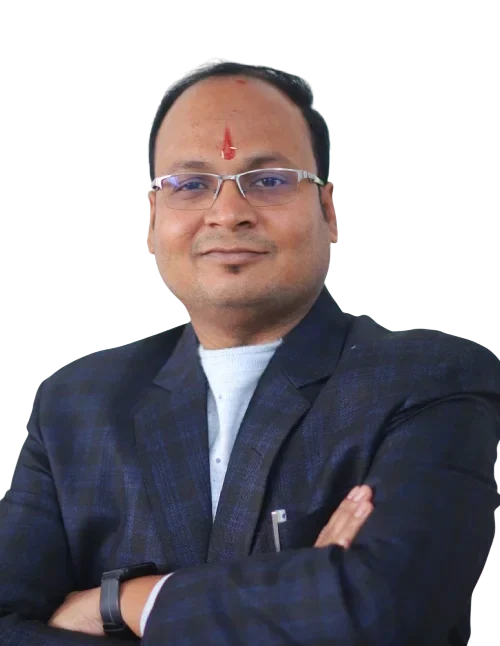
Abhishek Garg
Director – Idiary IT Solutions Pvt. Ltd
GLA developed my business perspective and leadership skills. Its academic rigor and practical insights enabled me to build and lead my own company effectively.


Anindya Singh
Project Manager & Consultant – dss+
GLA strengthened my technical and problem-solving skills. Its focus on research and innovation prepared me to deliver impactful solutions in my consulting career.


Mohit Tripathi
Co-Founder – Culture OS
GLA nurtured my entrepreneurial spirit and technical skills. Exposure to innovation and collaboration gave me the confidence to co-found my venture.


Shiv Kumar Sharma
Founder – Merikitab.in
GLA inspired me to explore unconventional paths. Its focus on creativity and innovation empowered me to launch my own platform.


Nancy Verma
Senior Product Engineer – Kohler India
GLA provided strong technical knowledge and hands-on experience. Supportive faculty helped me build confidence for challenging engineering roles.


Anuj Kumar Saraswat
Senior Project Manager – Sopra Group
GLA laid the foundation for my project management career. It helped me develop technical expertise and leadership skills for managing complex projects.


Prashank Varshney
Senior Advisory Consultant – IBM
GLA’s industry-oriented curriculum enhanced my analytical and problem-solving skills. It played a key role in shaping my consulting career.

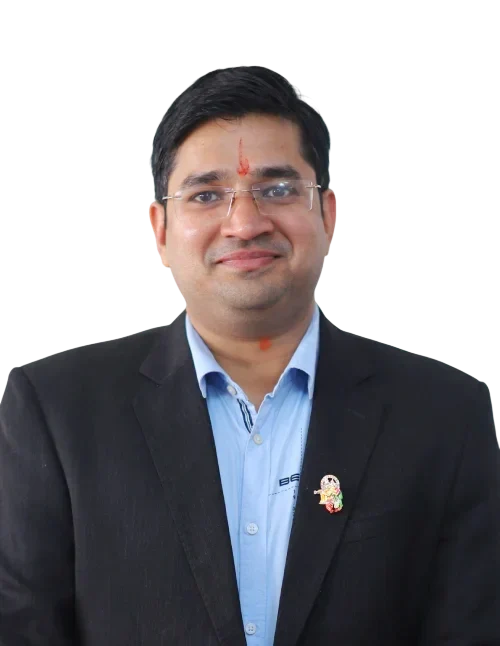
Sanchit Kumar Garg
Assistant Director General – Ministry of Communication
GLA instilled discipline and dedication. Its strong academic foundation prepared me to contribute effectively in public service.


Aashish Bansal
Engineering Group Supervisor – Bechtel India Pvt. Ltd.
GLA equipped me with strong technical fundamentals and leadership skills, enabling success in global engineering projects and team management.


Sadhvi Saxena
Associate Manager – Accenture Operations
GLA enhanced my analytical and communication skills. Its industry-focused learning helped me transition smoothly into corporate roles.

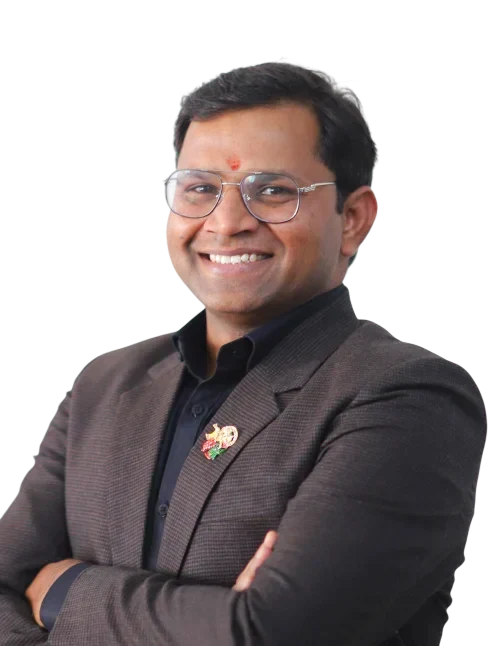
Shiv Prakash Rajput
Pharmacovigilance Associate – SN Medical College
GLA built my research and technical skills. Its academic support helped me establish a meaningful career in healthcare.


Suman Yadav
Territory Manager – Sanofi India Ltd
GLA helped me understand pharmaceuticals and business practices, enabling success in territory management and professional relationships.


Vaibhav Kulshrestha
Sales Manager – SLTL Group
GLA developed my technical and interpersonal skills. Industry exposure helped me excel in sales and management roles.


Purnima Sonkar
Project Manager – Live Furnish
GLA strengthened my technical and project management skills. Its collaborative environment helped me develop leadership qualities.


Madhav Yadav
Director – JD Muntyaal Pvt. Ltd.
GLA played a key role in shaping my entrepreneurial journey. It gave me the confidence and knowledge to grow my business.


Neel Kamal Yadav
Director – JDML Logistics
GLA helped me understand technical and business aspects, enabling effective management and expansion of my logistics operations.


Jatin Dixit
HOD – Saraswati Modern Public School
GLA built my teaching and leadership skills, preparing me to excel in the education sector with confidence.


Priya Sharma
Manager – Yoda Lifeline Diagnostics
GLA provided a strong foundation in life sciences and management. Practical exposure helped me grow in healthcare roles.


Meghna Upadhyay
Director – Crave It
GLA nurtured my entrepreneurial mindset and business acumen, giving me the confidence to lead my own venture.


Mayank Jain
Virtual Scribe Trainer – Microsoft India
GLA enhanced my academic and communication skills, helping me succeed in a global organization.


Anurag Vishwakarma
Assistant Manager HR – Pranav Vikas India Pvt. Ltd
GLA’s practical MBA program helped me develop strong HR and management skills for real-world challenges.


Honey Vishwakarma
Software Engineer Analyst – Accenture
GLA provided strong technical knowledge and problem-solving skills essential for a career in IT.


Piyush Chaturvedi
Director – Uma Motors Pvt. Ltd
GLA built my business fundamentals and leadership skills, helping me manage and grow my family business.


Nandini Sharma
Teacher – Delhi Public School
GLA shaped my teaching methods and communication skills, making me a confident educator.

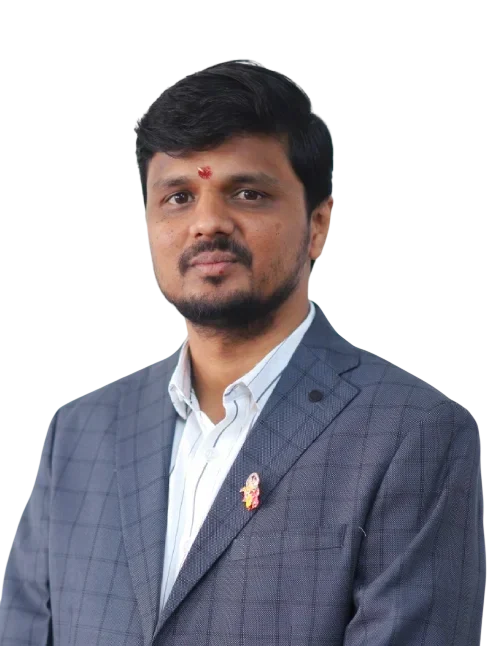
Vishal Jauhari
Product Architect – SAP Labs India
GLA built my technical and analytical foundation, helping me grow into a product architect delivering innovative solutions.



Academic International Partnerships
Promoting international learning in sustainable agriculture and food system innovation.






















Highlights
ICAR-aligned & accredited undergraduate program
Experiential learning: fieldwork, RAWE, ELP, internships
Precision & digital agriculture: drones, sensors, analytics
Strong industry, institutional & research partnerships
Student‑centric campus with mentoring and vibrant extracurricular
Our Vision
To be a centre of excellence in agricultural education, research, extension, and entrepreneurship—serving the agro‑industry, farming community, and allied sectors with innovation, sustainability, and global relevance.
Our Mission
- Impart quality, experiential and problem‑solving education
- Build an industry‑aligned, student‑centric learning ecosystem
- Promote agripreneurship, innovation, and consultancy
- Enable technology transfer to uplift rural communities
- Advance productive, sustainable, remunerative, climate‑resilient agriculture
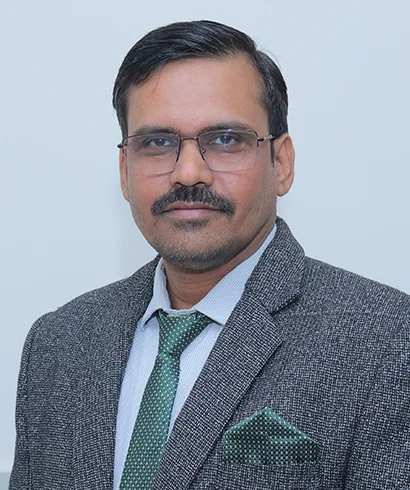
HOD's Message
Welcome to the Faculty of Agricultural Sciences—a hub for learning, innovation, and public purpose. Our vision is a resilient, technology‑driven, inclusive agricultural system.
With experiential learning, strong industry linkages, and exposure to precision and digital agriculture—including AI, drones, and climate-smart practices—we prepare students for leadership across the agri value chain. Agriculture sustains nearly half of India’s population and remains central to the economy; our role is to co‑create solutions with students, faculty, and partners. We invite you to join us in advancing sustainability, productivity, and rural prosperity with competence and compassion.
Prof. Shailesh Kumar Singh
Dean - Faculty of Agricultural Sciences


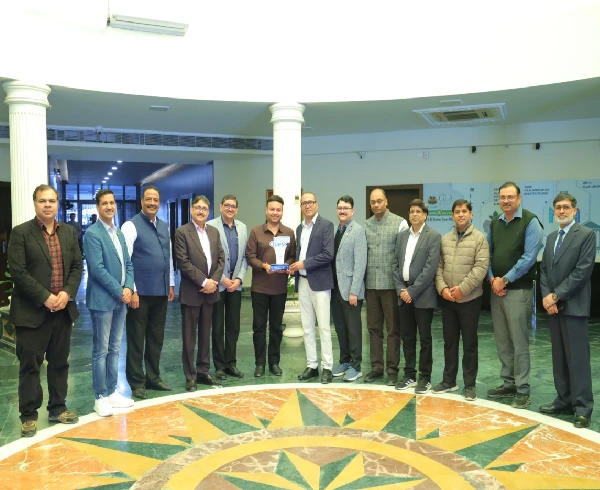
Step inside our campus and see learning come alive
Get a firsthand look at our campus, classrooms, and vibrant student life.
 Virtual Tour

Frequently Asked Questions
What is the eligibility criteria for admission to the B.Sc. Agriculture program?
+
Students who have completed 10+2 with Physics, Chemistry, and Biology or Agriculture from a recognized board can apply for admission. Candidates must also meet the minimum marks requirement as specified by GLA University’s admission guidelines.
Does the agriculture program include practical field training for students?
+
Yes, students receive practical exposure through fieldwork, farm visits, laboratory experiments, and crop demonstrations. This helps them understand real farming practices, crop management techniques, and agricultural technologies used in modern agriculture.
What kind of career opportunities are available after studying agriculture?
+
After completing an agriculture degree, students can work as agricultural officers, farm managers, agribusiness executives, crop consultants, or researchers in government departments, private companies, agri-tech firms, and agricultural research organizations.
Does the Faculty of Agricultural Sciences have its own training farms or agricultural fields?
+
Yes, students get hands-on learning through university agricultural fields and practical training areas where they can observe crop cultivation, soil preparation, irrigation methods, and other farming practices during their course.
Are internships or industry training opportunities available for agriculture students?
+
The faculty encourages students to participate in internships, rural agricultural training, and field-based learning programs so they can gain practical knowledge of farming systems and agricultural business operations.
Will students learn about modern agricultural technologies during the course?
+
Yes, the curriculum includes topics like modern farming techniques, irrigation management, agricultural biotechnology, pest management, and sustainable farming methods to help students understand the latest developments in agriculture.
Can agriculture students start their own farming or agribusiness after graduation?
+
Yes, the program provides knowledge about crop production, farm management, and agricultural marketing, which can help students start their own farming ventures, agribusinesses, or agri-based startups.
Are laboratory facilities available for agriculture students?
+
Students have access to specialized laboratories for soil science, plant pathology, agronomy, and agricultural biotechnology where they can conduct experiments and learn scientific methods used in modern agriculture.
Does the agriculture program include field visits and agricultural tours?
+
Yes, students often participate in field visits to farms, agricultural research centers, and agribusiness organizations to understand real agricultural practices and industry operations.
What skills do students gain while studying agriculture at GLA University?
+
Students develop skills in crop management, soil analysis, pest control, farm planning, and agricultural research. These skills help them work effectively in agricultural industries, research institutes, and government organizations.
Are workshops or expert lectures conducted for agriculture students?
+
Yes, the faculty organizes seminars, workshops, and guest lectures by agricultural experts and professionals to help students understand modern agricultural challenges and new technologies used in the field.
Can students pursue higher studies after completing B.Sc. Agriculture?
+
Yes, graduates can pursue postgraduate programs in agriculture or specialized areas like agronomy, horticulture, soil science, plant breeding, agricultural economics, or agricultural biotechnology.
How does the agriculture program help students understand sustainable farming?
+
Students learn about sustainable agriculture, soil conservation, water management, and environmentally friendly farming practices to promote responsible agricultural development and long-term food security.
Does the program include training in agricultural research?
+
Yes, students are introduced to research methods, crop experiments, and data analysis related to agricultural studies so they can understand how scientific research improves agricultural productivity.
What types of organizations hire agriculture graduates?
+
Agriculture graduates can work in government agriculture departments, fertilizer and seed companies, agri-tech firms, research institutions, food processing industries, and agricultural consultancy services.
Are there opportunities to learn about agricultural marketing and agribusiness?
+
Yes, the program includes topics related to agricultural economics and marketing, helping students understand how agricultural products are produced, marketed, and distributed in the agricultural supply chain.
Do agriculture students participate in practical crop cultivation during the course?
+
Yes, students may take part in practical crop cultivation activities where they learn about land preparation, sowing techniques, irrigation, pest management, and harvesting processes.
How does the Faculty of Agricultural Sciences help students prepare for future careers?
+
The faculty focuses on practical learning, research exposure, and understanding modern agricultural technologies so that students develop the knowledge and skills required for professional roles in agriculture and agribusiness.
Why should students choose the Faculty of Agricultural Sciences at GLA University?
+
The faculty provides a balanced mix of academic learning, field training, and exposure to modern agricultural practices, helping students build strong foundations for careers in agriculture, research, and agribusiness sectors.
 Virtual Tour
 B.Tech Programs
UG Programs
Lateral Entry
M.Tech Programs
PG Programs
Doctoral Programs
Diploma Programs
Admissions Helpline

-

-

-

-

17km Stone, NH-19, Mathura-Delhi Road, P.O.
Chaumuhan, Mathura-281 406, (U.P.) INDIA