
Texas Instrument Innovation Lab is established at GLA University, Mathura under “TI University Program” in October 2018
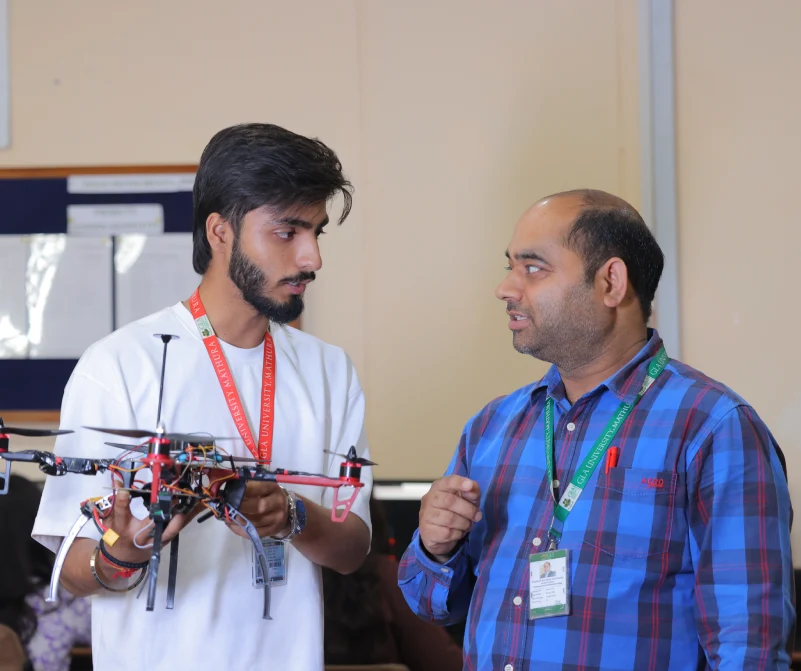
Faculty Coordinator: Dr. Saurabh Singh (Assistant Professor)
Technical Assistant: Dr. Manish Awasthi
The Texas Instruments (TI) Innovation Lab was established at GLA University, Mathura, in October 2018 under the TI University Program. The program serves as a platform connecting TI technologies, educators, researchers, and future engineers to promote practical learning, innovation, and research in electronics and embedded systems.
Established in 1982, the TI University Program is a global initiative dedicated to supporting educators, researchers, and students in integrating Texas Instruments' analog and embedded processing technologies into engineering education. The program facilitates the use of TI hardware, development tools, software, and learning resources in classrooms, teaching laboratories, research activities, textbooks, design projects, and academic curricula.
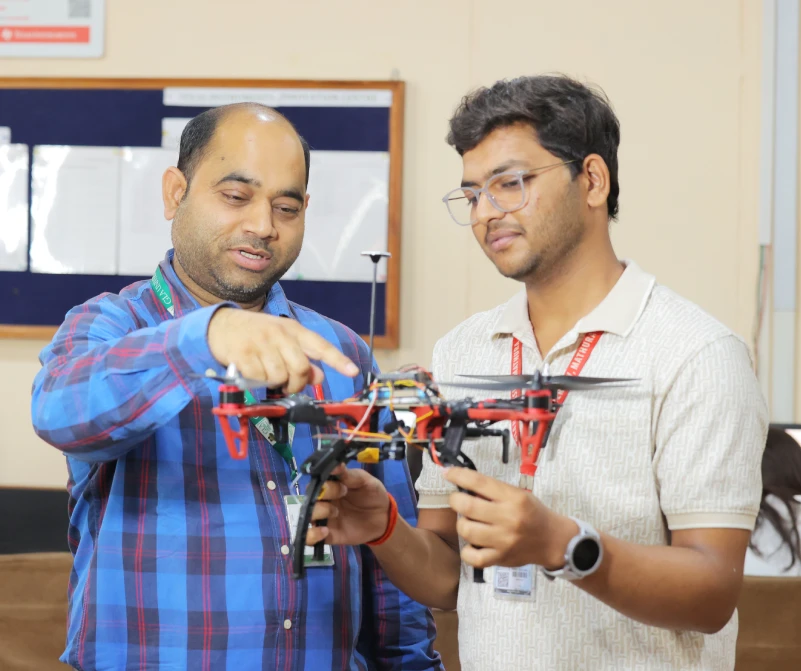
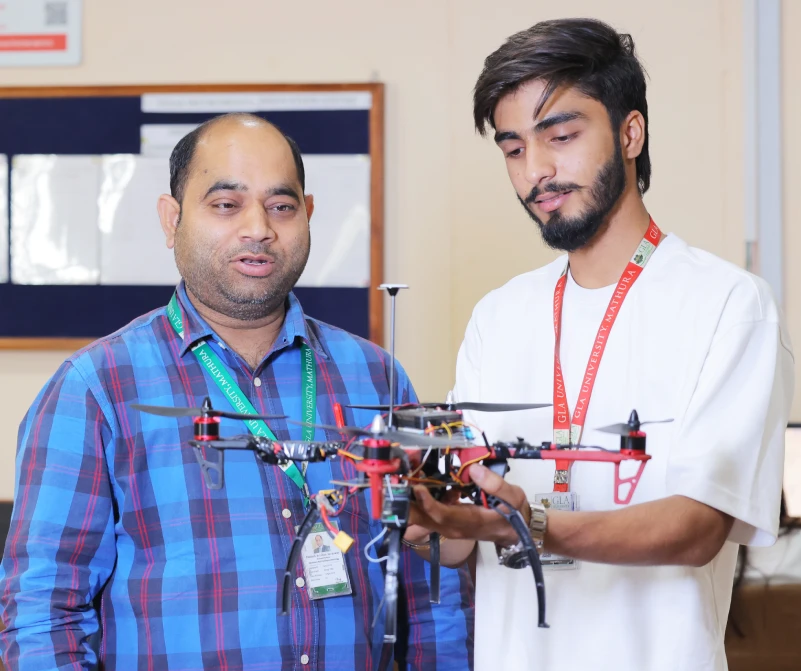
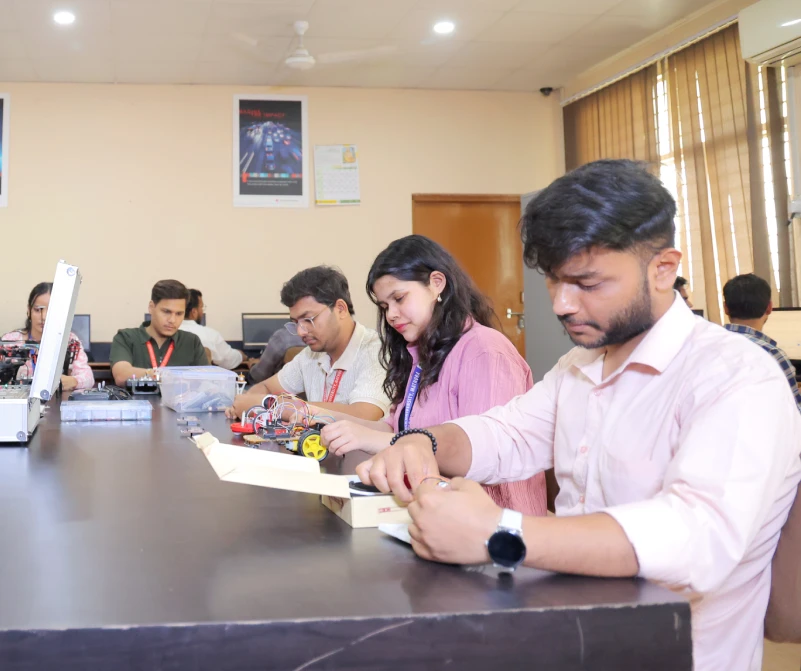
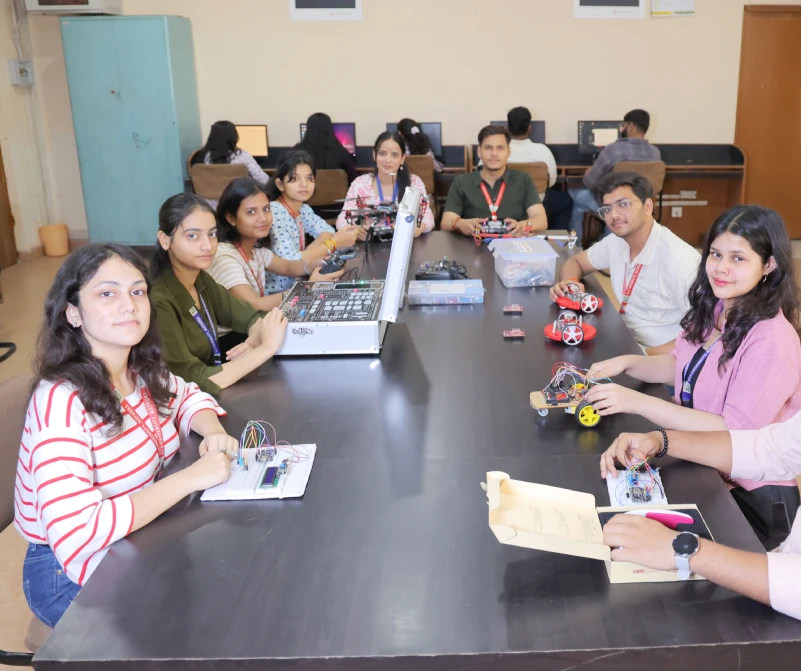
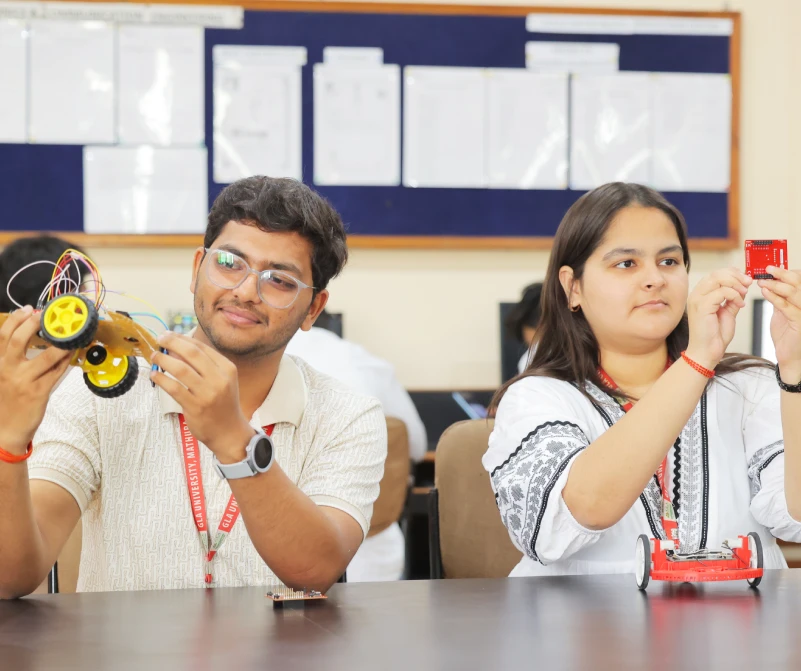
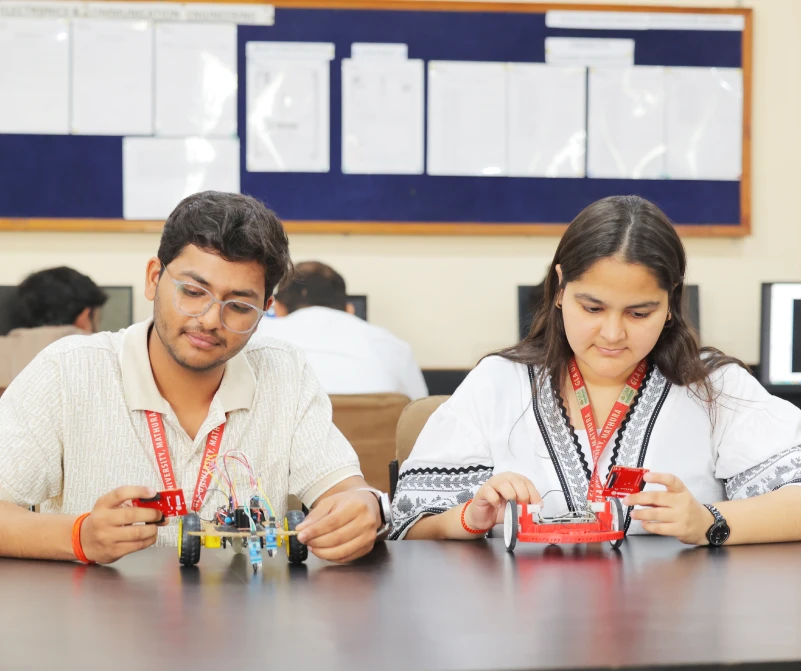
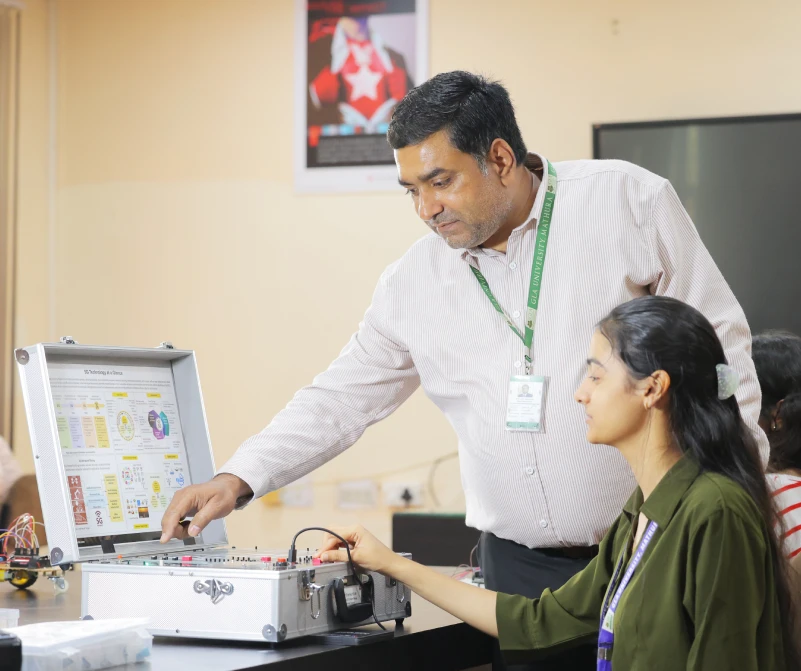
The TI Innovation Lab at GLA University provides students and faculty members with opportunities to explore modern embedded systems, microcontrollers, sensor interfacing, analog electronics, robotics, and Internet of Things (IoT) applications. It bridges the gap between theoretical concepts and practical implementation by encouraging hands-on experimentation, project development, and problem-solving activities.
Objectives of the TI Innovation Lab
- Practical Skill Development: To equip students with hands-on experience in embedded systems, analog electronics, microcontrollers, and related technologies using TI development boards and tools.
- Industry-Oriented Training: To prepare students for industry requirements through practical training, application-based experiments, and technology-oriented learning activities.
- Faculty and Student Training: To provide opportunities for faculty members and students to learn and work with TI hardware, software, development kits, and technical resources.
- Emerging Technology Exposure: To promote learning in areas such as embedded processing, the Internet of Things (IoT), robotics, sensor networks, and real-time electronic systems.
- Project-Based Learning: To encourage students to design, develop, test, and demonstrate innovative projects that apply theoretical knowledge to real-world problems.
- Research and Innovation: To support research and development activities and encourage collaboration between academia and industry in addressing technological challenges.
- Technical Competency Enhancement: To develop students' programming, circuit interfacing, debugging, testing, and system integration skills.
- Industry Readiness: To enhance students' technical competency, creativity, and problem-solving abilities, thereby improving their preparedness for professional careers in electronics and embedded technology.
The major objectives of the TI Innovation Lab are as follows:
Major Tools and Hardware Available
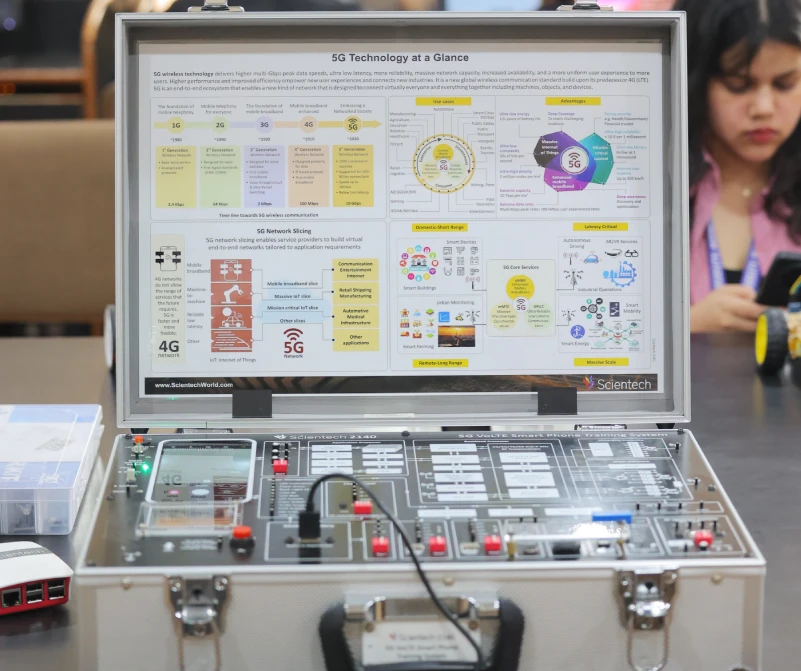
The TI Innovation Lab supports practical learning through microcontroller development boards, sensor modules, electronic interfacing components, and software development platforms.
| S. No. | Tool/Hardware | Major Applications |
|---|---|---|
| 1 | Tiva C Series LaunchPad | ARM Cortex-M-based embedded system development, GPIO interfacing, timers, ADC, PWM, and serial communication |
| 2 | MSP430 Microcontroller Development Boards | Low-power embedded systems, sensor interfacing, and energy-efficient applications |
| 3 | TI Robotics System Learning Kit | Robotics, motor control, sensor integration, and autonomous system development |
| 4 | Analog System Lab Kit PRO | Practical study of analog circuits, signal conditioning, filters, amplifiers, and related applications |
| 5 | Temperature Sensors | Temperature measurement, monitoring, and control applications |
| 6 | Infrared (IR) Sensors | Object detection, obstacle sensing, and proximity-based applications |
| 7 | Ultrasonic Sensors | Distance measurement, obstacle detection, and automation projects |
| 8 | Gas Sensors | Gas detection, environmental monitoring, and air-quality-related projects |
| 9 | LCD and Seven-Segment Displays | Displaying sensor readings, numerical data, and system status |
| 10 | Motors and Motor Drivers | Motion control, robotics, and automation experiments |
| 11 | Electronic Components and Interfacing Modules | Circuit development, signal interfacing, and hardware prototyping |
| 12 | USB Debugging and Programming Interfaces | Program downloading, debugging, and communication with development boards |
Software and Development Platforms
The lab uses software tools and development environments to support embedded programming, debugging, simulation, and hardware testing.
- Code Composer Studio (CCS): An integrated development environment used for writing, compiling, downloading, and debugging programs for supported TI microcontrollers and processors.
- TivaWare Peripheral Driver Library: Provides peripheral driver functions for supported Tiva C Series microcontrollers, simplifying hardware configuration and interfacing.
- Embedded C Programming: Used to develop programs for GPIO control, timers, ADC, PWM, UART communication, sensor interfacing, and display control.
- Serial Terminal Software: Used to monitor program output, sensor readings, and diagnostic information through serial communication.
- Hardware Debugging Tools: Used for program execution, variable monitoring, breakpoint-based debugging, and troubleshooting embedded applications.
The availability and use of specific software tools depend on the development boards and equipment installed in the laboratory.
Learning Outcomes
After completing practical activities in the TI Innovation Lab, students are expected to be able to:
- Understand the architecture and basic operation of microcontrollers and embedded processing platforms.
- Write, compile, execute, and debug embedded C programs using appropriate development tools.
- Interface sensors, displays, switches, and actuators with microcontroller development boards.
- Acquire and process sensor data using digital and analog peripherals.
- Apply ADC, PWM, GPIO, timers, and serial communication in practical applications.
- Identify and resolve basic hardware and software integration issues.
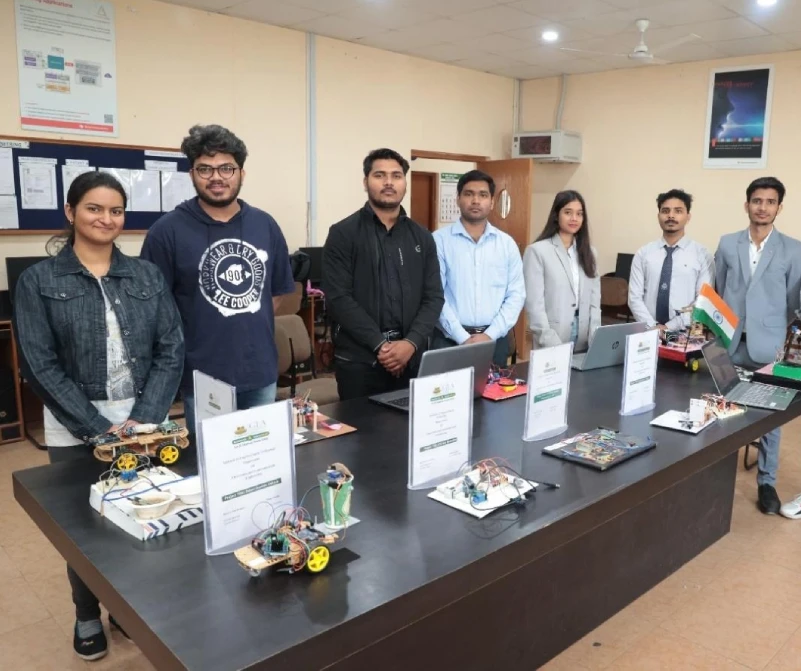
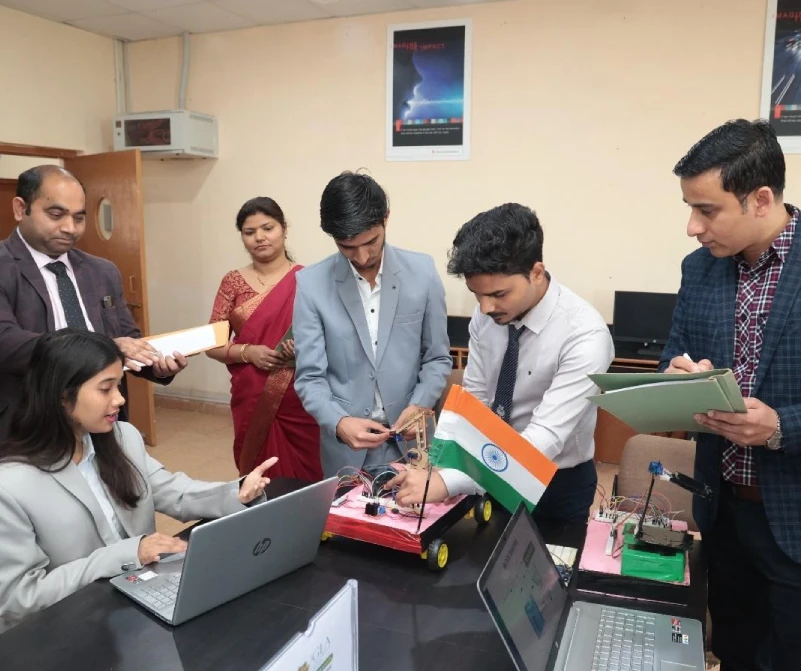
- Design and demonstrate working prototypes based on real-world application requirements.
- Develop teamwork, technical documentation, analytical thinking, and problem-solving skills.
- Gain practical competencies relevant to careers in embedded systems, electronics design, automation, and IoT.
Benefits to Students and Faculty
The TI Innovation Lab provides the following benefits:
- Exposure to industry-relevant microcontroller platforms and electronic development tools.
- Improved understanding of concepts taught in embedded systems, microprocessors, analog electronics, and digital electronics courses.
- Opportunities for project development, experimentation, innovation, and interdisciplinary learning.
- Practical experience in programming, hardware interfacing, testing, and debugging.
- Support for faculty-led demonstrations, laboratory exercises, student projects, and research activities.
- A platform for strengthening industry-oriented technical skills and preparing students for internships, placements, and higher studies.
Projects Completed:
- Smart Helmet (Smart India Hackathon Winner)
- Smart Sign language convertor
- Smart home Automation
- Smart Street Light
- Smart Medicine Dispenser
- Smart Blind Stick
- Smart Traffic Control System
- Advanced Health Monitoring System
- Smart Parking system
 Virtual Tour
 B.Tech Programs
UG Programs
Lateral Entry
M.Tech Programs
PG Programs
Doctoral Programs
Diploma Programs
Admissions Helpline

-

-

-

-

17km Stone, NH-19, Mathura-Delhi Road, P.O.
Chaumuhan, Mathura-281 406, (U.P.) INDIA