
The Plant Biotechnology Laboratory in the Department of Biotechnology, GLA University, Mathura,
provides a practical learning environment for students to understand and apply the fundamental principles of plant biotechnology.
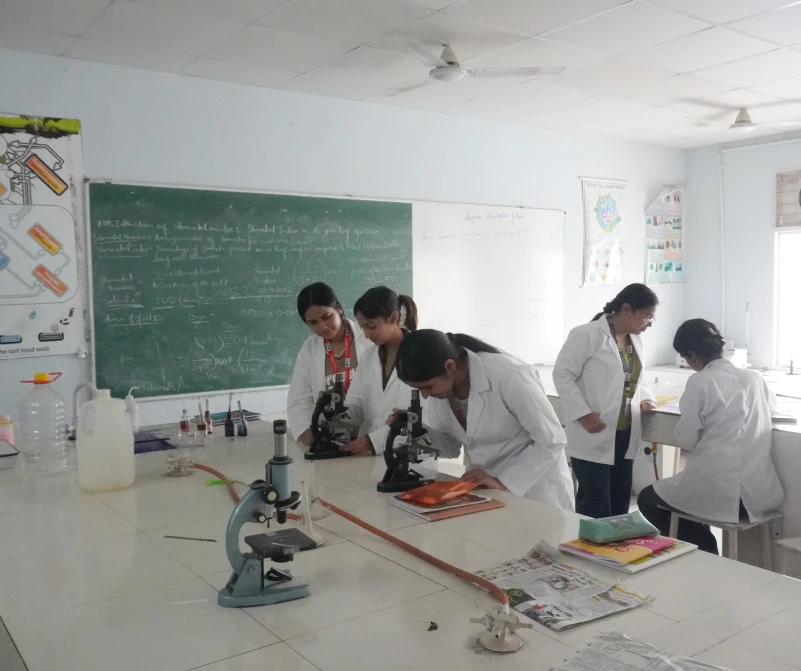
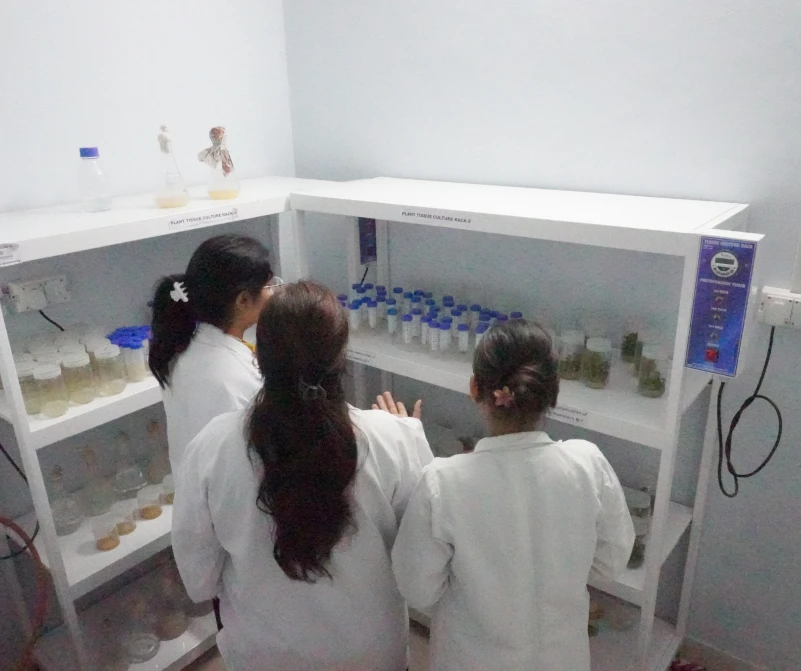
The laboratory focuses on plant cell and tissue culture, plant propagation, plant growth and development, and the application of biotechnological approaches to crop improvement. It bridges theoretical knowledge with practical laboratory skills and introduces students to techniques used in plant research, agricultural biotechnology, and plant-based biological studies.
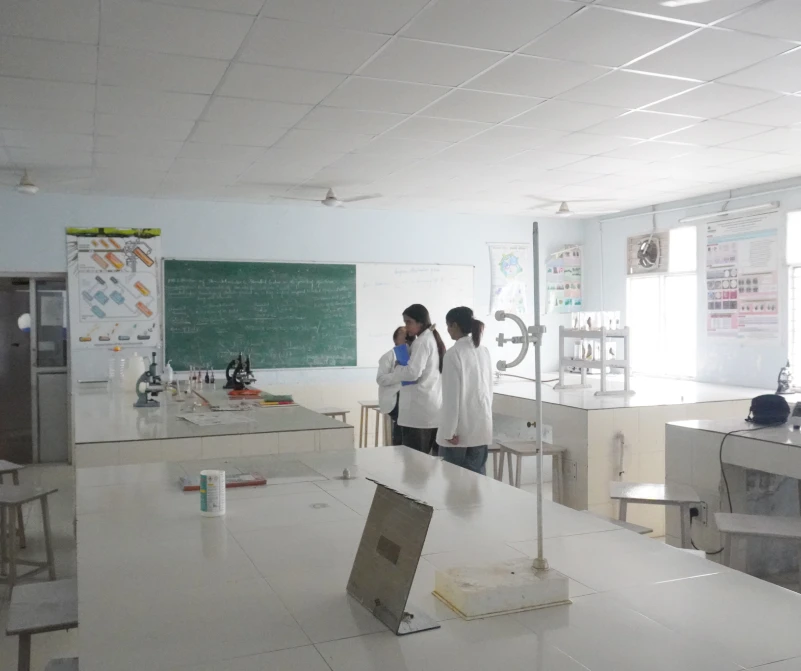
The laboratory supports undergraduate and postgraduate teaching, practical training, student projects, and research-oriented learning. It encourages students to develop skills in experimental design, aseptic handling, preparation of culture media, observation of plant materials, and documentation of experimental results. Emphasis is placed on laboratory safety, contamination prevention, accurate measurements, and the scientific interpretation of observations.
Major Equipment and Laboratory Instruments
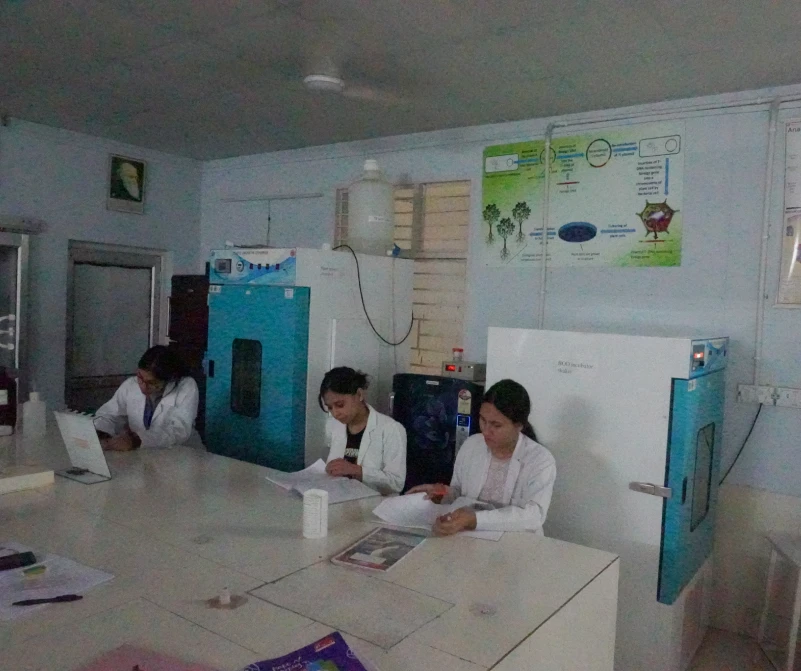
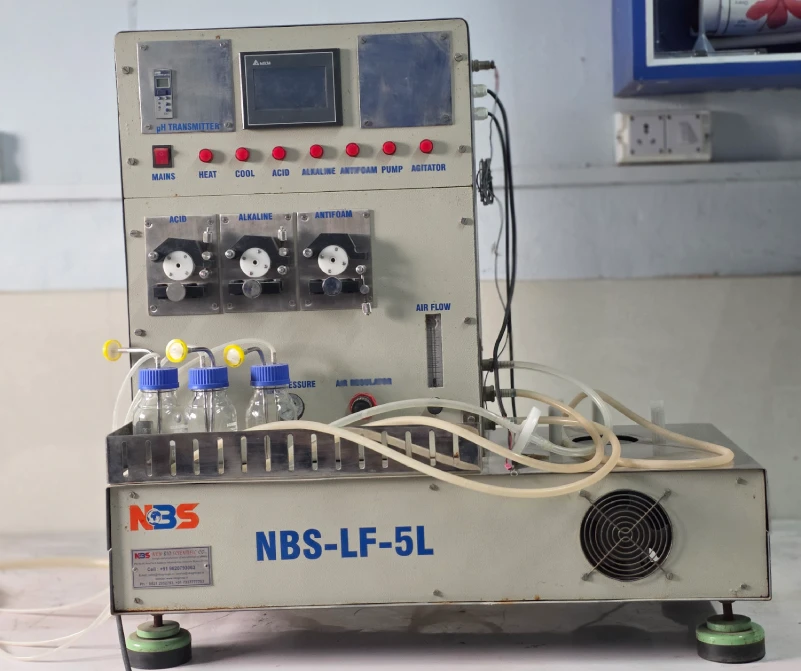
The laboratory uses essential equipment and instruments required for plant biotechnology practicals and experimental work, these include laminar airflow cabinets for aseptic operations, autoclave, hot-air oven, weighing balance, pH meter, micropipettes, microscopes, refrigerator, water bath, and fermenter. These instruments support routine laboratory procedures, including media preparation, sterilization, solution preparation, sample handling, and microscopic examination. Their use helps students understand the importance of precision, aseptic conditions, and standardized laboratory protocols in plant biotechnology.
Experiments and Practical Activities
The laboratory supports practical exercises designed to familiarize students with basic and applied plant biotechnology techniques. Depending on the prescribed curriculum and available facilities, these activities may include:
- Preparation of plant tissue culture media and stock solutions.
- Preparation and sterilization of culture media and laboratory materials.
- Demonstration of aseptic techniques and contamination control.
- Surface sterilization and handling of explants for plant tissue culture.
- Introduction to plant cell, tissue, and organ culture.
- Observation of callus induction and plant regeneration, where facilities permit.
- Study of factors influencing in vitro plant growth and development.
- Introduction to micropropagation and clonal propagation techniques.
- Microscopic examination of plant tissues and cellular structures.
- Study of plant growth regulators and their role in tissue culture.
 Virtual Tour
 B.Tech Programs
UG Programs
Lateral Entry
M.Tech Programs
PG Programs
Doctoral Programs
Diploma Programs
Admissions Helpline

-

-

-

-

17km Stone, NH-19, Mathura-Delhi Road, P.O.
Chaumuhan, Mathura-281 406, (U.P.) INDIA