
Dr. Anuja Mishra
Assistant Professor, Department of Biotechnology, GLA University
Principal Investigator, COHEB-R Research Projects
The Center for One Health and Environmental Bioinformatics (COHEB-R) is a multidisciplinary research and innovation hub at the Department of Biotechnology, GLA University, dedicated to advancing scientific solutions for interconnected challenges in human health, animal health, and environmental sustainability.
Rooted in the One Health philosophy, COHEB-R brings together biology, bioinformatics, computational biology, and environmental sciences to understand complex biological systems and translate scientific insights into meaningful solutions.
Our Vision
To build an integrated platform for innovative research, advanced scientific training, and interdisciplinary collaboration at the interface of health, biology, and the environment.
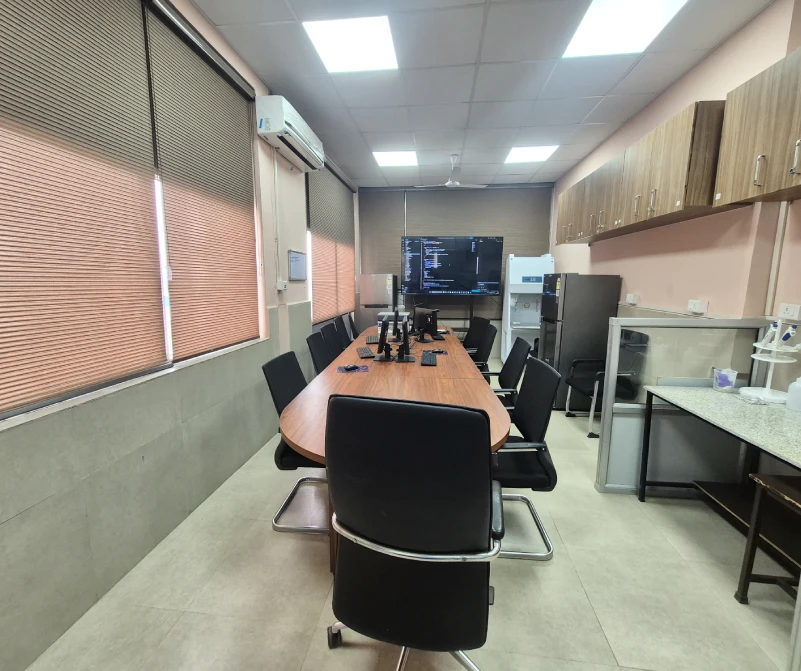
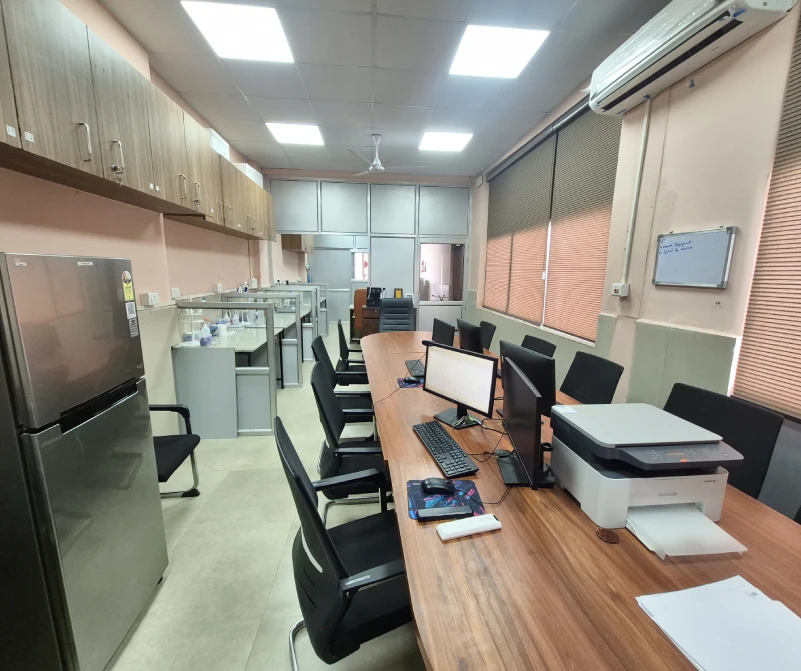
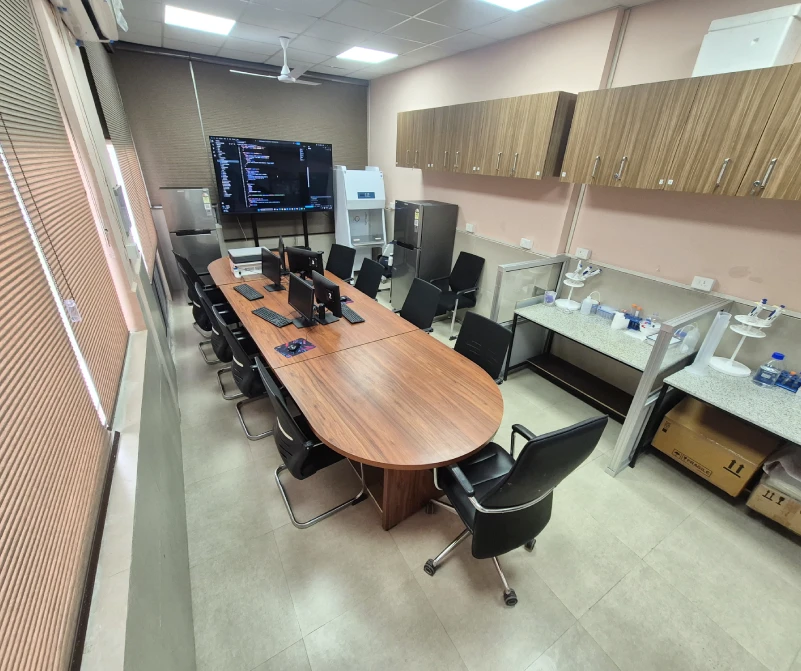
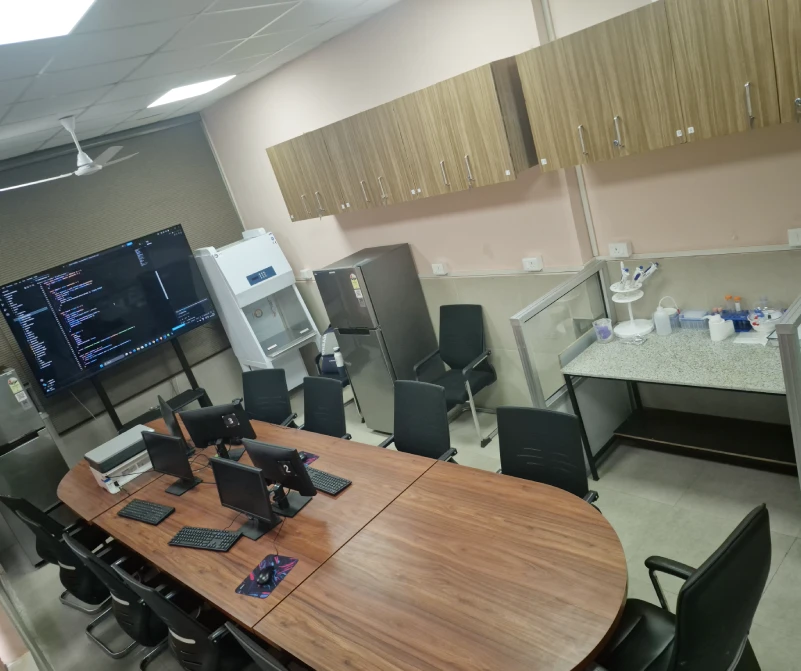
COHEB-R envisions a research ecosystem where wet-lab experimentation meets computational intelligence, enabling researchers to investigate biological questions from complementary experimental and data-driven perspectives.
Research Areas
The Centre currently focuses on emerging challenges with significant implications for health and environmental well-being:
- Zoonotic Diseases — diagnosis, control, surveillance, and prevention of diseases transmitted between animals and humans.
- Environmental Biotechnology — microbial biodegradation of polycyclic aromatic hydrocarbons (PAHs) and other environmentally persistent contaminants affecting human and ecosystem health.
- Bioinformatics & Computational Biology — genomic data analysis, sequence analysis, molecular investigation, and computational modelling.
Integrated Research Infrastructure
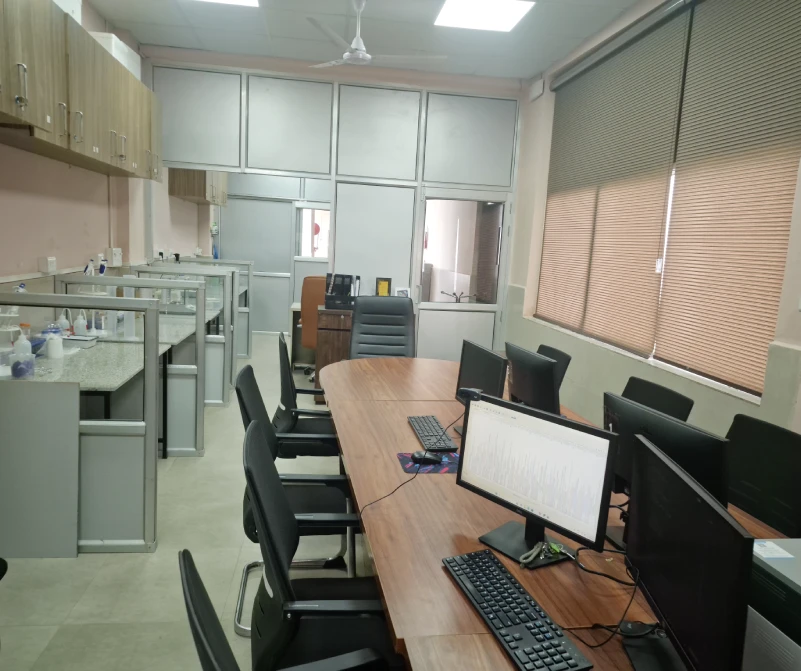
A defining strength of COHEB-R is its Wet-Lab + Dry-Lab Research Pipeline.
Our laboratory facilities support fundamental molecular biology workflows, including sample processing, sterilization, aseptic handling, protein analysis, and nucleic acid/protein separation. These experimental capabilities are complemented by High-Performance Computing (HPC) infrastructure for genomic data processing, sequence alignment, computational analysis, and biological modelling.
This integrated approach enables the transition from biological samples to data-driven discovery, strengthening research outcomes and accelerating scientific innovation.
Training & Capacity Building
COHEB-R is committed to nurturing the next generation of researchers. Through hands-on training and research exposure, students and early-career researchers develop practical skills in molecular biology, bioinformatics, sequence analysis, computational tools, and biological data interpretation.
 Virtual Tour
 B.Tech Programs
UG Programs
Lateral Entry
M.Tech Programs
PG Programs
Doctoral Programs
Diploma Programs
Admissions Helpline

-

-

-

-

17km Stone, NH-19, Mathura-Delhi Road, P.O.
Chaumuhan, Mathura-281 406, (U.P.) INDIA